Garlic is one of the most widely used ingredients in kitchens around the world. Known for its strong aroma and distinctive flavor, garlic plays an essential role in countless recipes, from soups and sauces to stir-fries and marinades. In addition to its culinary uses, garlic is also valued for its potential health-supporting properties, as it contains natural compounds that may benefit the body.
Because garlic is such a common ingredient, many people buy it frequently at markets or grocery stores without paying much attention to its condition. However, not all garlic bulbs are of good quality. Some may be old, damaged, or beginning to spoil, which can affect both flavor and safety.
Knowing how to identify poor-quality garlic can help you avoid wasting money and ensure that the ingredients you bring home are fresh and suitable for cooking. Here are four types of garlic bulbs you should avoid if you see them at the market.
1. Garlic With Soft or Mushy Bulbs
Fresh garlic should feel firm and solid when you hold it. If a garlic bulb feels soft, spongy, or mushy when gently squeezed, it may already be deteriorating.
Soft garlic usually indicates that moisture has entered the bulb or that it has been stored for too long. When garlic begins to spoil, the cloves inside may start to break down and lose their natural texture.
Using garlic that has become soft can affect the taste of food and may produce an unpleasant smell during cooking. In more advanced stages of spoilage, the cloves may even become sticky or slimy.
When shopping for garlic, always choose bulbs that are dry, firm, and tightly packed.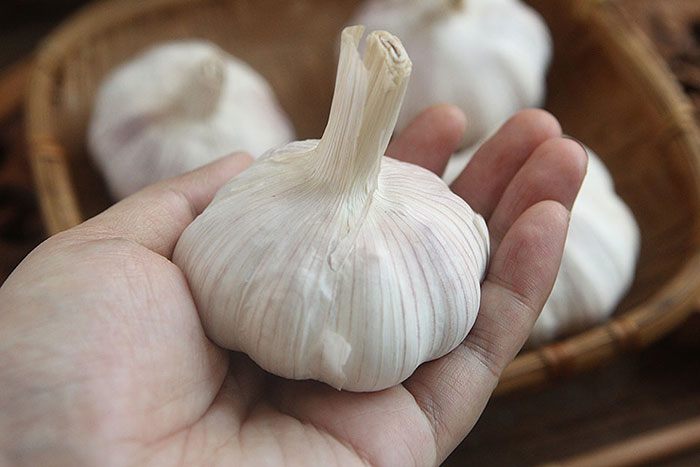
2. Garlic With Mold or Dark Spots
Another clear sign that garlic should be avoided is the presence of mold or unusual discoloration. Mold may appear as fuzzy patches that are white, green, blue, or black on the outer skin or between the cloves.
Dark spots or unusual stains on the garlic skin may also indicate that the bulb has been exposed to moisture or poor storage conditions. Mold growth can occur when garlic is stored in damp environments with limited airflow.
Consuming moldy food is not recommended because certain types of mold may produce harmful substances. If you notice mold or suspicious spots on garlic bulbs, it is best to leave them behind and choose fresher ones.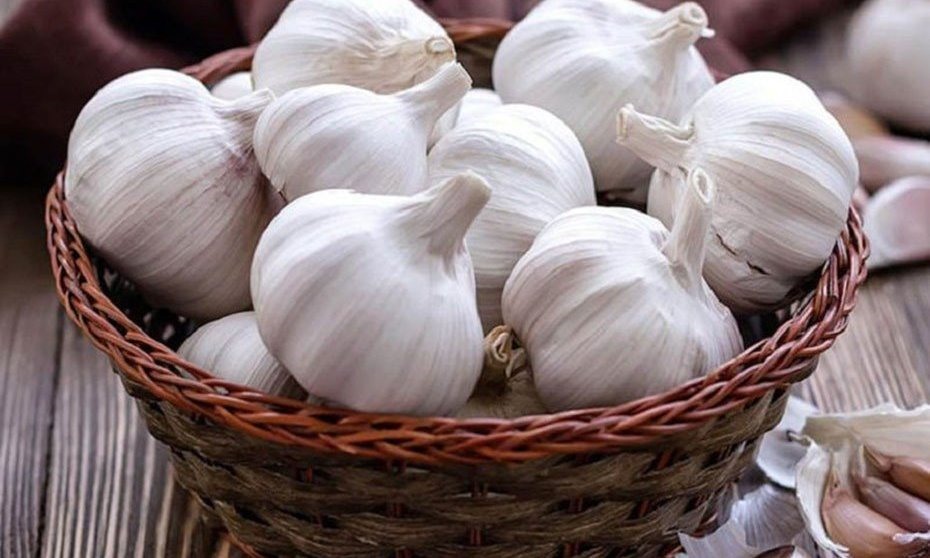
3. Garlic That Has Already Sprouted
Sometimes garlic bulbs begin to grow green shoots from the top. This process is called sprouting, and it usually occurs when garlic has been stored for a long time or exposed to warm temperatures.
Sprouted garlic is not necessarily dangerous to eat, but it often has a more bitter taste compared to fresh garlic. The longer the green sprout grows, the stronger and more unpleasant the flavor may become.
In addition, sprouting indicates that the garlic is aging and may be losing some of its quality and moisture. While the cloves may still be usable if the sprout is small, many people prefer to avoid sprouted garlic for better flavor.
Choosing garlic bulbs without visible sprouts ensures fresher ingredients and better cooking results.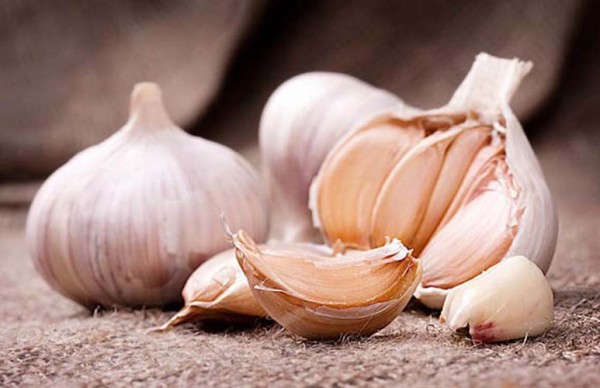
4. Garlic With Loose or Broken Skins
The outer layers of garlic skin serve an important purpose: they protect the cloves inside from moisture, bacteria, and environmental damage. When the protective skin becomes loose, torn, or broken, the cloves inside may begin to dry out or spoil more quickly.
Garlic bulbs with missing or damaged skins may have been handled roughly during transport or stored improperly. These bulbs are more vulnerable to contamination and often have a shorter shelf life.
Fresh garlic should have tight, papery skins that wrap closely around the cloves. This protective layer helps preserve the garlic’s freshness and flavor.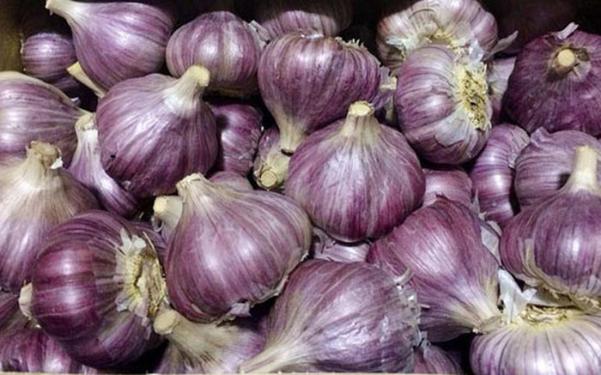
How to Choose Fresh Garlic
Selecting high-quality garlic is simple once you know what to look for. The best garlic bulbs are firm, dry, and heavy for their size. The skin should be intact and papery, without moisture or mold.
A fresh garlic bulb will also have tightly packed cloves that do not move when pressed gently. If the bulb feels hollow or the cloves shift easily inside, the garlic may be old or beginning to dry out.
In addition, good garlic typically has a clean, mild aroma. Extremely strong or unpleasant odors may indicate that the garlic has started to spoil.
Proper Garlic Storage at Home
Even the freshest garlic can deteriorate quickly if it is not stored properly. To maintain its quality, garlic should be kept in a cool, dry place with good airflow. A mesh bag, basket, or ventilated container works well for storage.
Avoid storing garlic in sealed plastic bags, as trapped moisture can encourage mold growth. Refrigeration is also generally not recommended for whole garlic bulbs because cold temperatures may cause sprouting.
By storing garlic correctly, you can extend its shelf life and preserve its flavor for several weeks.
Conclusion
Garlic is a valuable ingredient in many dishes, but choosing the right bulbs is important for both flavor and food quality. When shopping at the market, it is best to avoid garlic that feels soft, shows signs of mold, has begun to sprout significantly, or has damaged outer skins.
Fresh garlic should be firm, dry, and well protected by its natural papery layers. Paying attention to these simple details can help ensure that the garlic you bring home enhances your meals rather than diminishing their quality.
By learning how to recognize fresh garlic and store it properly, you can make the most of this essential kitchen ingredient and enjoy its flavor in a wide variety of delicious recipes.