3 Types of Chicken Meat You Should Never Buy — No Matter How Cheap
Chicken is one of the most popular sources of protein in many households. It is affordable, versatile, and used in countless dishes around the world. However, not every piece of chicken sold in the market is safe or fresh.
According to experienced poultry sellers and food safety experts, some types of chicken should be avoided completely—even if the price seems incredibly cheap. Learning how to recognize these warning signs can help protect your health and ensure better food quality for your family.
Here are three types of chicken meat you should never buy, no matter how tempting the discount may be.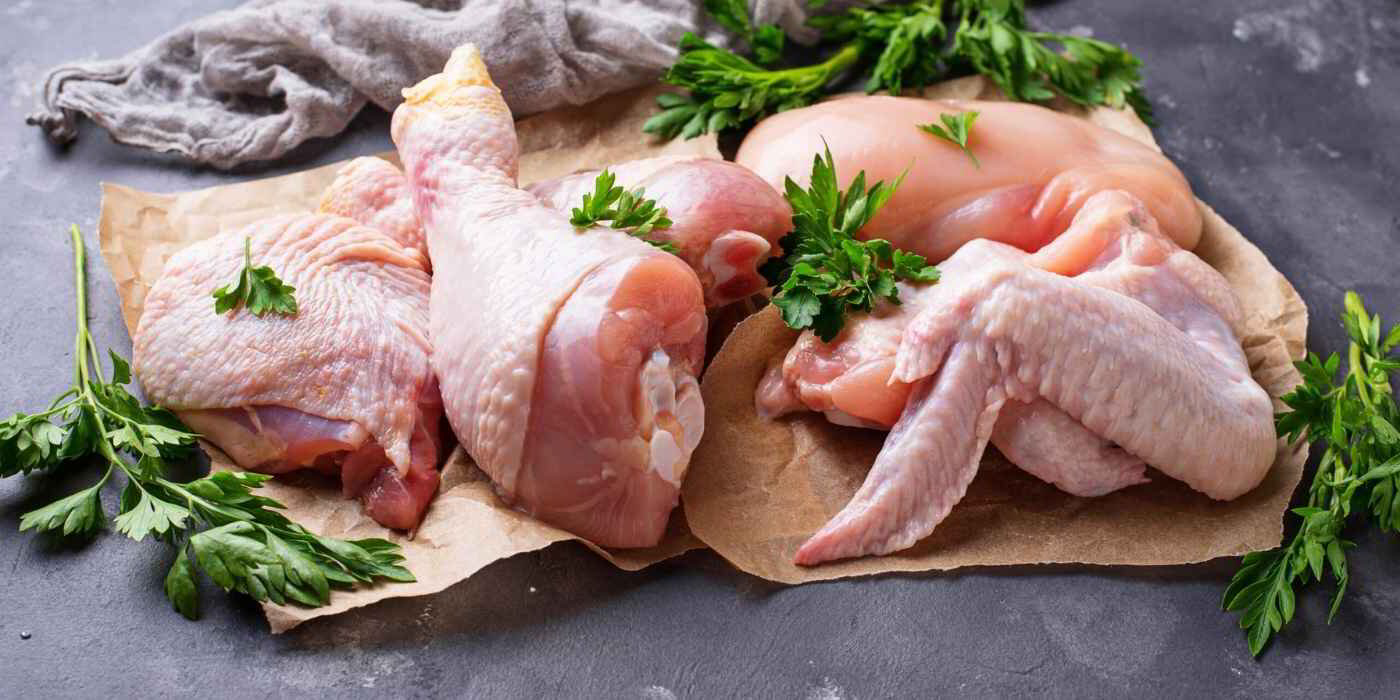
1. Chicken with Unusual Color
One of the first things to check when buying chicken is its color. Fresh chicken typically has a light pink color with a slightly glossy appearance.
If the meat appears pale gray, dull, or has greenish spots, it may indicate spoilage or improper storage. These discolorations can occur when chicken has been stored too long or exposed to poor conditions.
Experts warn that consuming chicken with abnormal color may increase the risk of food poisoning and other health issues.
When shopping for poultry, always inspect the meat carefully. If the color looks suspicious, it is safer to choose another product.
2. Chicken with a Strong or Sour Smell
Fresh chicken should have very little smell. At most, it may have a mild natural scent.
However, if the chicken releases a strong sour, ammonia-like, or rotten odor, it is a clear sign that the meat has begun to spoil. These odors develop when bacteria start breaking down the meat.
Even if the price is extremely low, this type of chicken should never be consumed. Food safety specialists emphasize that smell is one of the most reliable indicators of freshness.
If you notice an unpleasant odor while shopping, it is best to avoid the product entirely.
3. Chicken That Feels Slimy or Contains Excess Water
Another warning sign appears when the meat feels slimy or sticky to the touch. This texture can indicate bacterial growth or poor storage conditions.
In some cases, chicken may also contain excessive water. Some sellers inject water into poultry to increase its weight and make it appear larger and fresher. However, this practice reduces both the quality and flavor of the meat.
Excess liquid in packaging may also affect the texture and taste of the chicken once cooked.
For better quality, choose chicken that feels firm and natural rather than overly wet or slippery.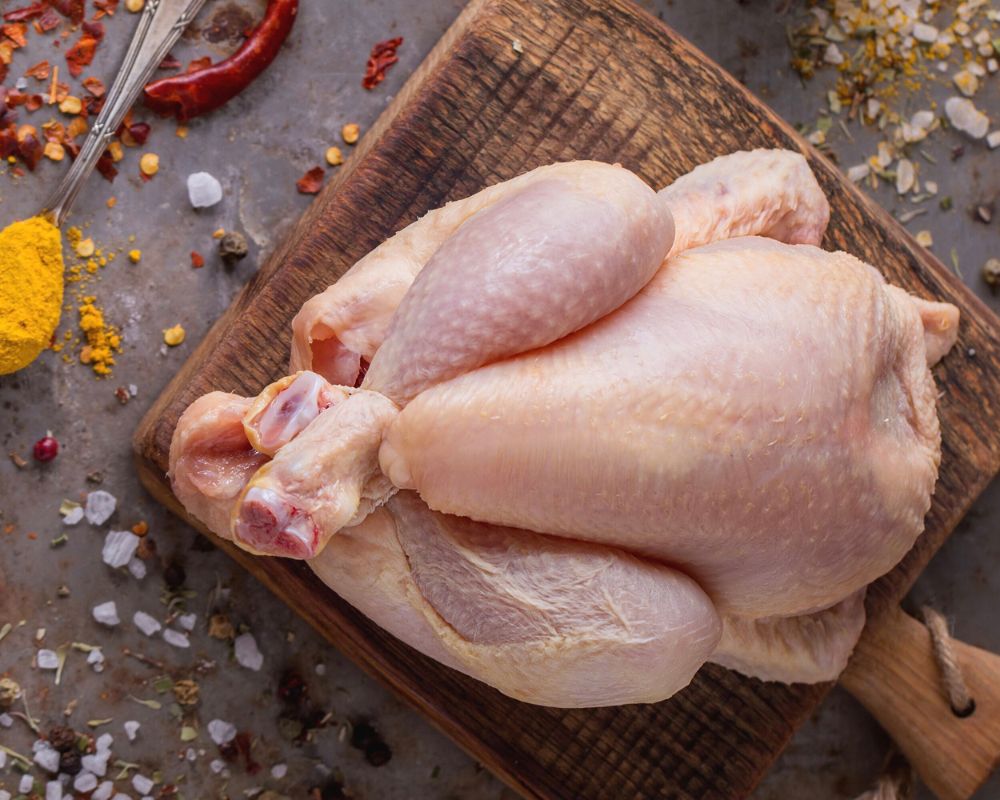
A Veteran Seller’s Advice
Experienced poultry sellers often emphasize that saving a small amount of money is not worth risking your health. Many say they would never eat these questionable types of chicken themselves and recommend customers avoid them entirely.
When buying chicken, remember to check three basic things:
-
Color
-
Smell
-
Texture
These simple checks can help you identify whether the meat is fresh or potentially unsafe.
The Bottom Line
Chicken may be an affordable and healthy source of protein, but quality matters. Meat that looks strange, smells unpleasant, or feels slimy may pose health risks and should be avoided.
Spending a little more on fresh, properly stored chicken is often the safest choice for you and your family.