
Most people feel unsettled at the thought of snakes wandering too close to their balcony, garden, or home.
And while there’s no plant on Earth that can guarantee 100% snake-repellent effects, there are several plants that people around the world traditionally grow because their strong scent, sharp texture, or irritating oils make the environment less attractive to snakes.
Snakes avoid areas that feel uncomfortable, unsafe, or unfamiliar — and certain plants help create exactly that kind of environment.
Here are five plants commonly believed to discourage snakes, along with why they work and how to use them safely.
1. Lemongrass (Cymbopogon citratus)

Lemongrass is one of the most popular natural “snake-repellent” plants. Its sharp, citrusy smell comes from citronella oil, which is also used to deter mosquitoes and insects.
Snakes rely heavily on their sense of smell to navigate.
Strong, overpowering scents confuse them and make them less likely to explore that area.
Lemongrass grows easily in pots on balconies, requires very little maintenance, and doubles as a cooking herb — a bonus for your kitchen.
2. Marigold (Tagetes)
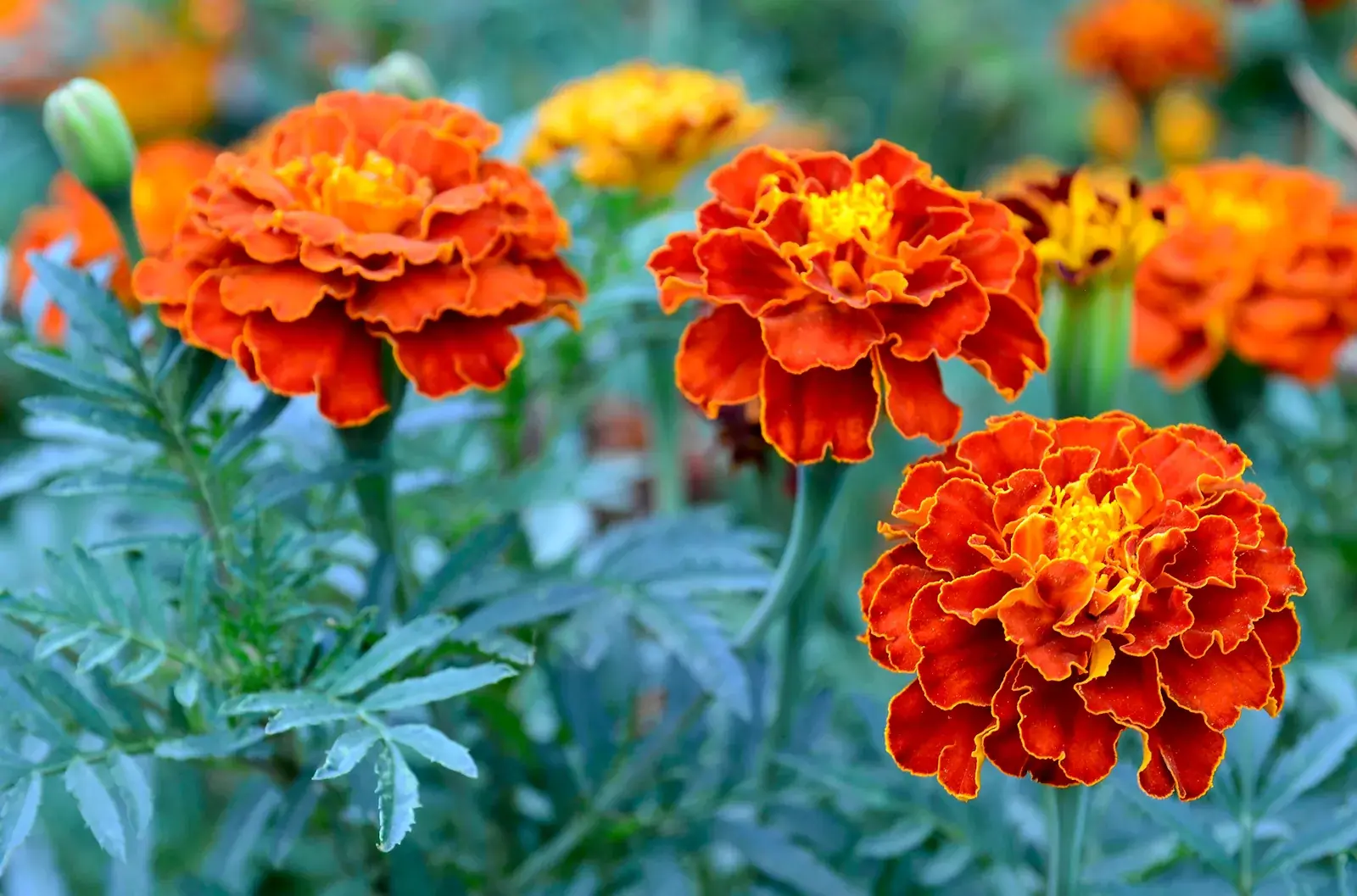
Bright, bold, and easy to grow, marigolds are known for their pungent scent and dense root system.
The roots release natural compounds into the soil that repel pests like nematodes, rodents, and insects — all of which snakes tend to follow for food.
When you reduce their food source, snakes lose interest in the area.
Marigolds also form thick bushes, creating a visual barrier snakes dislike crawling through.
3. Garlic (Allium sativum)
Garlic is strong, spicy, and irritating to many animals — snakes included.
When crushed, garlic releases sulfur-containing compounds that create a harsh smell in the environment.
Some people even use garlic water spray around garden edges.
But planting garlic in pots or along the balcony perimeter is easier and longer lasting.
Garlic also grows quickly and doesn’t require much sunlight, making it ideal for apartments.
4. Snake Plant (Sansevieria / Mother-in-law’s Tongue)
Despite the name, the snake plant doesn’t attract snakes — it can actually discourage them.
Its tall, stiff, sword-like leaves create a sharp and uncomfortable barrier. Snakes generally avoid pushing through rigid, spiky foliage.
On top of that, snake plants:
• purify indoor air
• thrive in low light
• require almost no maintenance
This makes them a great choice for balconies, hallways, and entryways.
5. Onion (Allium cepa)
Like garlic, onions release a strong sulfur smell that snakes dislike.
They also irritate the Jacobson’s organ — a sensory organ snakes use to “taste” the air.
Planting onions in small pots around the balcony or yard creates a border of unpleasant scent and texture for snakes.
And as a bonus, you’ll always have fresh onions for cooking.
Why these plants may help — but won’t replace real prevention
It’s important to be clear:
Plants alone cannot completely stop snakes.
What they CAN do is make the area less inviting.
Snakes prefer spaces that are:
• quiet
• cool
• dark
• full of hiding places
• rich in prey (insects, rodents, frogs)
Plants with strong scents or sharp foliage help disrupt this comfort zone.
For best results, combine them with real prevention habits:
• Keep balconies clean and clutter-free.
• Seal cracks or gaps around doors and walls.
• Avoid storing piles of shoes, boxes, or cloth outside.
• Reduce insects and rodents — their main food source.
• Use mesh or barriers on balcony openings if needed.
Plants are a helpful addition, not the entire solution.
How to arrange these plants on a balcony
For maximum effect, place the plants:
• along the balcony railing
• near corners or dark spots
• around doors or windows leading outside
• in clusters to intensify scent coverage
Mixing 2–3 types works better than one alone.
Lemongrass + garlic + marigold is a strong trio many gardeners swear by.
Bottom line
Snakes aren’t “terrified” of plants, but they do avoid environments that feel irritating, strongly scented, or unfriendly to their movement.
Growing these five plants on your balcony can create a space snakes simply don’t want to explore — naturally and beautifully.
It’s one of the simplest, most eco-friendly ways to make your home feel safer and more comfortable.