Many People Don’t Know This About Storing Cooked Rice — A Small Mistake Could Affect Your Health
Rice is one of the most widely consumed foods in the world. From family dinners to quick leftovers, it often seems harmless to cook a large pot and store the rest in the refrigerator for later. However, food safety experts say that many people unknowingly make mistakes when storing cooked rice — mistakes that could lead to foodborne illness.
Surprisingly, the issue is not the rice itself but how it is handled after cooking.
The Hidden Risk Behind Cooked Rice
Cooked rice can sometimes contain spores of a bacterium known as Bacillus cereus. These spores can survive the cooking process. If rice is left at room temperature for too long, the spores may grow into bacteria that produce toxins capable of causing food poisoning.
Symptoms can include nausea, vomiting, stomach cramps, and diarrhea. While the illness is usually mild and short-lived, it can still be extremely uncomfortable.
Many people unknowingly create the perfect environment for bacteria to grow simply by leaving cooked rice sitting out on the counter for hours before refrigerating it.
The Most Common Mistake People Make
One of the biggest mistakes is letting cooked rice cool slowly at room temperature.
For example, after dinner, some people leave the pot of rice on the stove or kitchen counter overnight and place it in the refrigerator the next day. This allows bacteria to multiply rapidly.
Food safety recommendations suggest that cooked rice should not remain at room temperature for more than about one to two hours.
The Proper Way to Store Cooked Rice
To reduce risk and keep rice safe to eat later, experts recommend a few simple steps:
-
Cool rice quickly after cooking.
Spread the rice in a shallow container or tray so heat escapes faster. -
Refrigerate promptly.
Place the rice in the refrigerator within one hour if possible. -
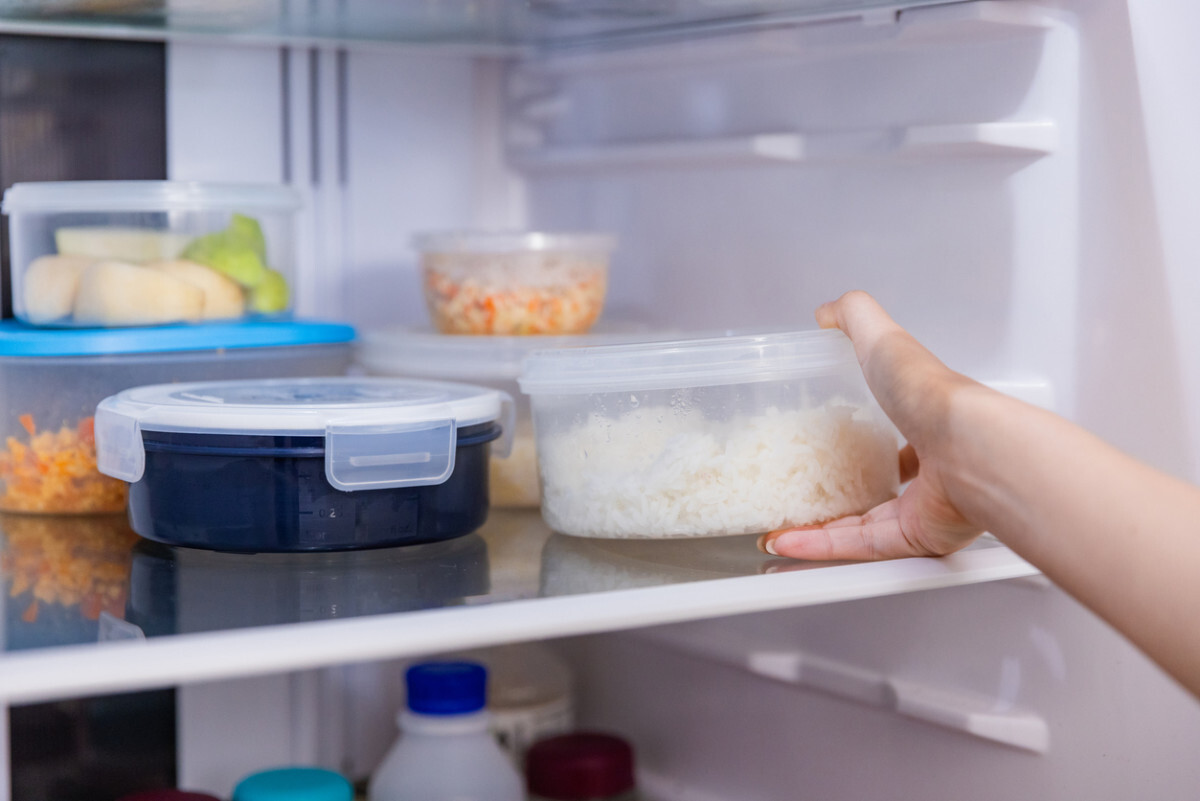
Store in airtight containers.
This helps maintain freshness and prevents contamination. -
Eat within a short period.
Refrigerated rice is best consumed within one to two days.
These steps can greatly reduce the chance of bacterial growth.
Reheating Rice the Right Way
If you plan to eat leftover rice later, reheating it properly is also important.
Rice should be reheated until it is steaming hot all the way through. It should only be reheated once; repeatedly reheating leftovers increases the risk of bacteria developing.
If rice smells unusual, looks dry or slimy, or has been stored too long, it is safer to discard it rather than take a chance.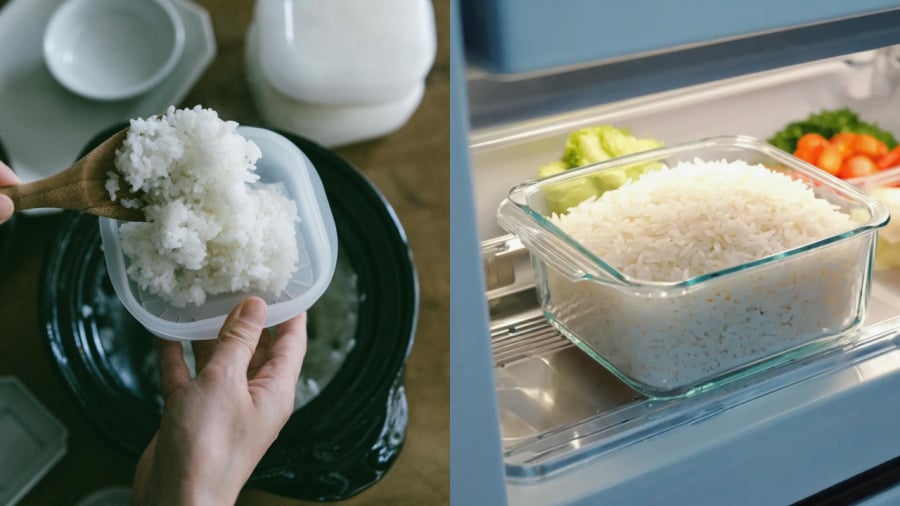
Why Many People Never Heard About This
Rice is such a common and familiar food that people rarely think about food safety when handling it. In many households, leftover rice is simply left on the table, covered with a lid, and eaten the next day.
However, food safety specialists say this habit can be risky if the rice remains at room temperature for too long.
A Simple Habit That Makes a Big Difference
Fortunately, preventing the problem is easy. By cooling rice quickly, storing it properly, and reheating it thoroughly, you can continue enjoying this staple food without worry.
Small changes in the kitchen can go a long way toward protecting your health and your family’s well-being.