Boiled eggs are one of the most common and versatile foods in many kitchens around the world. They are easy to prepare, nutritious, and can be enjoyed in many ways—whether as part of breakfast, in salads, sandwiches, or as a quick snack. While the basic method of boiling eggs seems simple, there are several small tricks that can make the process easier and improve the final result.
One lesser-known kitchen tip involves adding lemon or lemon juice to the water when boiling eggs. Many experienced home cooks use this method, but surprisingly, many people are still unaware of its potential benefits. Although it may sound unusual at first, using lemon during the egg-boiling process can help with several common problems such as cracked shells, difficult peeling, and lingering odors.
Understanding how and why lemon works in this situation can help improve your egg-cooking routine.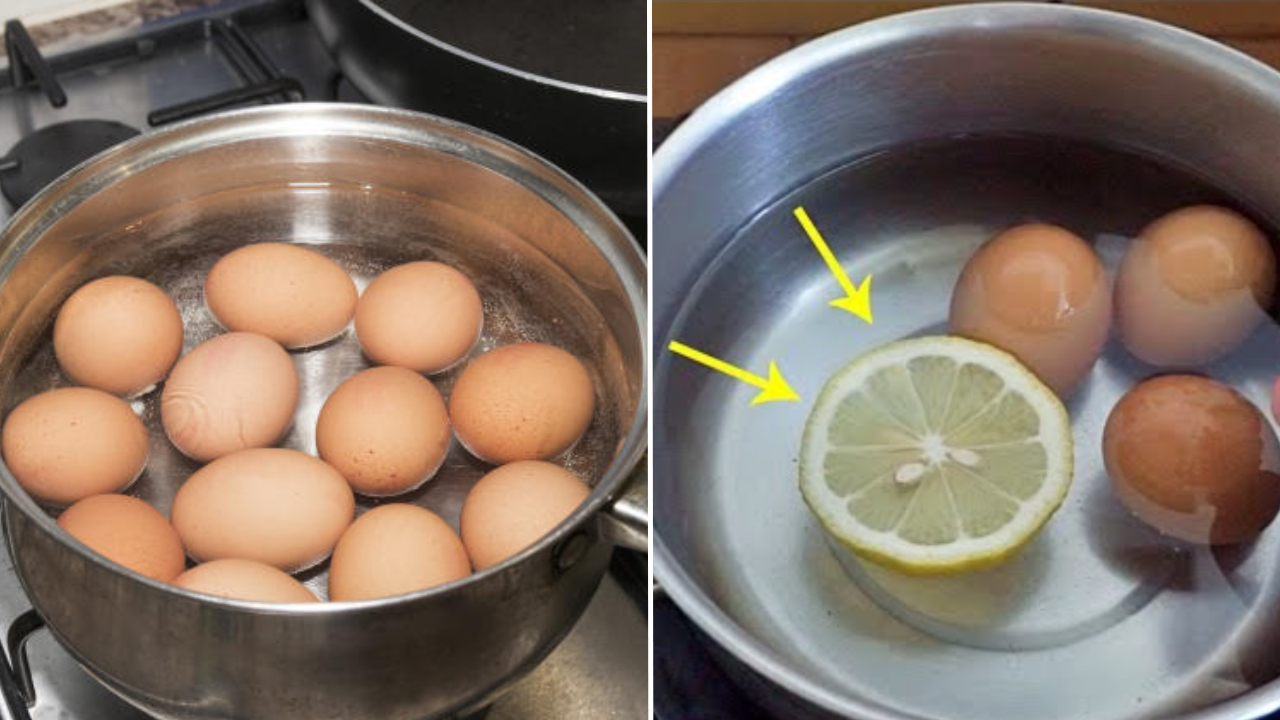
Why Lemon Can Be Helpful When Boiling Eggs
Lemons contain natural acids, primarily citric acid. When lemon juice is added to boiling water, it slightly changes the acidity of the water. This small change can influence how egg shells behave during cooking.
Eggshells are made primarily of calcium carbonate, which reacts slightly with acidic substances. While the effect is mild when using small amounts of lemon juice, it can still contribute to certain helpful changes during the boiling process.
These effects can help reduce cracking, improve peeling, and make the cooking process cleaner and easier.
Tip 1: Reducing the Risk of Cracked Eggs
One common problem when boiling eggs is cracking. Eggs sometimes crack when they are placed into hot water or when they collide with each other while boiling. When an egg cracks, some of the egg white may leak into the water.
Adding lemon juice to the boiling water can help the egg white coagulate more quickly if a crack occurs. The slight acidity helps the proteins in the egg white firm up faster, which may reduce the amount that escapes through small cracks.
Although lemon cannot completely prevent eggs from cracking, it can help minimize the mess if a crack happens during cooking.
Tip 2: Making Eggs Easier to Peel
Many people struggle with peeling boiled eggs, especially when the shell sticks tightly to the egg white. While the freshness of the egg plays a major role in how easily it peels, certain cooking methods can help improve the process.
Some cooks believe that adding lemon juice to the water may slightly weaken the eggshell structure. Because eggshells contain calcium compounds, exposure to mild acidity may help loosen the shell slightly.
This effect is subtle, but it may help make peeling a little easier after the eggs have cooled.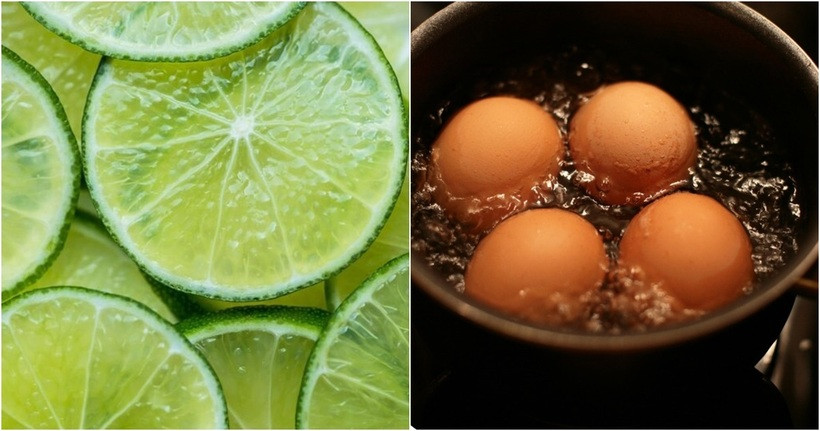
Tip 3: Reducing Egg Odor During Cooking
Boiled eggs sometimes release a strong smell while cooking, especially if they are boiled for a long time. This odor is caused by sulfur compounds released from the egg.
While lemon juice does not eliminate the sulfur compounds entirely, the fresh citrus aroma can help reduce the intensity of the smell in the kitchen. This can make the cooking process more pleasant, especially when preparing multiple eggs.
The natural fragrance of lemon adds a mild refreshing scent to the cooking water.
Tip 4: Preventing Egg White From Spreading in the Pot
When eggs crack during boiling, the egg white can spread throughout the water and create cloudy foam around the eggs. This often makes the eggs look messy and can stick to the pot.
The acidity of lemon juice helps egg proteins coagulate more quickly, which can prevent the egg white from dispersing widely in the water. As a result, the eggs may maintain a cleaner appearance even if a small crack occurs.
This trick is similar to techniques used when poaching eggs, where vinegar or lemon juice is sometimes added to help egg whites hold together.
Tip 5: Helping Keep the Eggshell Clean
Boiling eggs with lemon may also help keep the eggshell surface cleaner. Minerals and small particles in water can sometimes leave light marks on eggshells after cooking.
The mild acidity of lemon juice can help dissolve certain mineral residues in the water, which may result in cleaner-looking shells after boiling.
While this effect is minor, it can be helpful when preparing eggs for presentation in dishes or decorative recipes.
How to Boil Eggs with Lemon
Using lemon in the egg-boiling process is very simple. Begin by placing the eggs in a pot and adding enough water to cover them completely. Then add about one or two tablespoons of lemon juice to the water.
Bring the water to a gentle boil over medium heat. Once the water begins to boil, reduce the heat slightly and allow the eggs to cook for the desired time depending on how firm you want the yolks to be.
For soft-boiled eggs, cooking typically takes around six minutes. For medium eggs with slightly firm yolks, about eight minutes may be sufficient. For fully hard-boiled eggs, around ten to twelve minutes is usually recommended.
After cooking, transfer the eggs immediately to cold water or an ice bath. This step stops the cooking process and helps make peeling easier.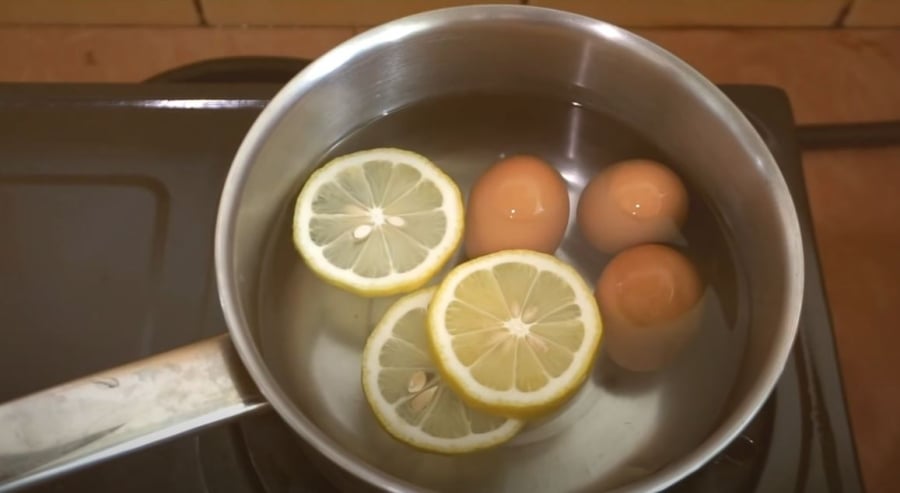
Other Helpful Egg-Boiling Tips
In addition to adding lemon juice, there are several other simple tips that can improve boiled eggs.
Starting with room-temperature eggs rather than very cold eggs may reduce the chance of cracking. Placing eggs gently into the pot instead of dropping them can also prevent shell damage.
Allowing the eggs to cool completely before peeling can make the process easier. Some cooks also roll the egg lightly on a hard surface to loosen the shell before peeling.
These small techniques can make a big difference in achieving perfectly cooked eggs.
Conclusion
Boiling eggs may seem like one of the simplest cooking tasks, but small adjustments can make the process more efficient and enjoyable. Adding lemon juice to the boiling water is a simple trick that many experienced cooks use to improve the results.
The natural acidity of lemon may help reduce the mess from cracked eggs, make peeling easier, lessen cooking odors, and keep eggs looking clean. While the effect is subtle, it can still provide noticeable benefits during cooking.
By combining this lemon trick with other simple egg-boiling techniques, anyone can achieve consistently better results in the kitchen. Sometimes the most useful cooking secrets are the simplest ones hidden in everyday ingredients.