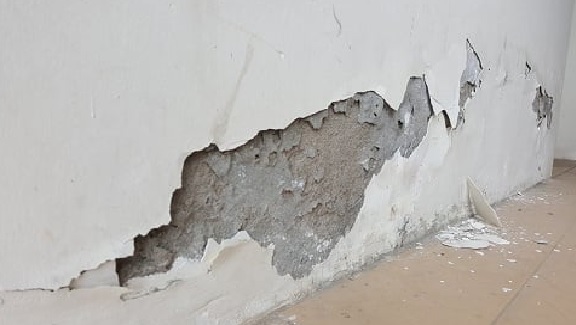
Wall peeling and mold stains are common problems in many homes, especially in areas with high humidity or poor ventilation. Over time, moisture can seep into walls, causing paint to bubble, crack, or peel away. In addition, damp environments often encourage mold growth, leaving dark stains that can make walls look dirty and unhealthy.
Many people believe that fixing these issues requires professional help or expensive repairs. However, in many cases, minor peeling and mold stains can be handled with simple tools and basic household materials. With a little time and patience, homeowners can restore their walls and prevent the problem from returning.
Understanding the causes of peeling paint and mold growth is the first step toward solving the issue effectively.

Why Walls Develop Peeling Paint and Mold
The main cause of peeling paint is moisture. When water enters the wall surface—through leaks, condensation, or high humidity—it weakens the bond between the paint and the wall underneath. As a result, the paint may bubble, crack, or eventually peel off.
Mold thrives in damp and poorly ventilated environments. Bathrooms, kitchens, laundry rooms, and walls near windows are especially vulnerable because these areas often experience higher humidity levels.
When mold spores land on a moist surface, they can grow quickly, creating dark spots that spread across the wall. If left untreated, mold can damage surfaces and create unpleasant odors.
Fortunately, small mold stains and peeling areas can often be treated before they become serious problems.
Step 1: Identify and Remove the Source of Moisture
Before repairing the wall, it is important to address the underlying cause of the moisture. If the moisture problem continues, the peeling and mold will eventually return.
Check for possible sources such as leaking pipes, roof leaks, or condensation around windows. Improving ventilation by opening windows or using exhaust fans can also help reduce humidity levels indoors.
In humid climates, using a dehumidifier may help keep indoor air dry and prevent mold growth.
Step 2: Clean Mold Stains Properly
Once the moisture source is controlled, the next step is to remove the mold stains from the wall.
A simple cleaning solution can be made using household ingredients. Many people use a mixture of white vinegar and water or a mild bleach solution diluted with water. Vinegar is often preferred for light mold stains because it helps kill many types of mold and remove odors.
Using gloves and a soft cloth or sponge, gently scrub the stained area. Allow the solution to sit on the surface for a few minutes before wiping it clean.
After cleaning, allow the wall to dry completely. Proper drying is important to prevent mold from returning.
Step 3: Remove Loose and Peeling Paint
Once the mold has been cleaned and the wall is dry, the next step is to deal with the peeling paint.
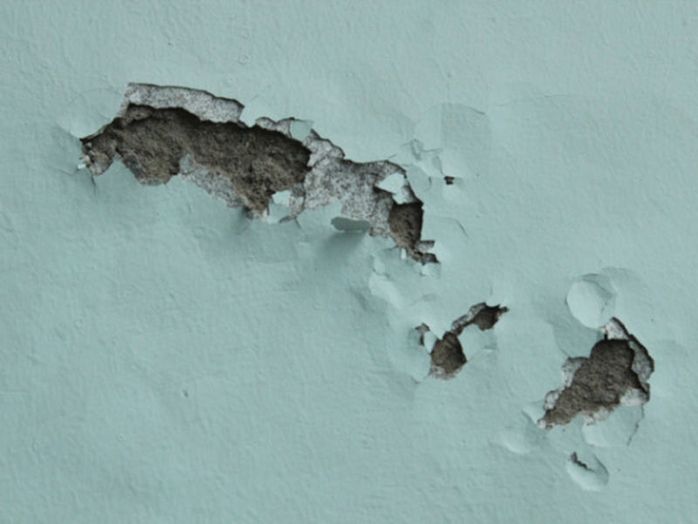
Use a paint scraper or putty knife to carefully remove loose or flaking paint. This step helps create a smooth surface for the new paint layer.
It is important to remove all unstable paint around the damaged area. Leaving loose paint behind can cause the new paint to peel again.
After scraping, lightly sand the area with fine sandpaper to smooth the surface and blend the repaired area with the surrounding wall.
Step 4: Apply a Mold-Resistant Primer
Before repainting the wall, applying a primer can significantly improve the result. A mold-resistant primer helps seal the wall surface and prevents future moisture problems.
Primer also helps the new paint adhere better to the wall and ensures a more even finish.
Apply a thin layer of primer to the repaired area and allow it to dry completely before painting.
Step 5: Repaint the Wall
After the primer dries, the wall is ready to be repainted. Choose high-quality interior paint, preferably one designed for areas prone to moisture such as bathrooms or kitchens.
Moisture-resistant paints often contain ingredients that help prevent mold growth in the future.
Apply one or two thin coats of paint, allowing each layer to dry properly. This will restore the wall’s appearance and protect it from future damage.

Preventing Mold and Peeling in the Future
After repairing the wall, prevention becomes the most important step. Keeping indoor humidity under control is key to preventing mold and paint damage.
Here are a few simple preventive habits:
-
Ensure good ventilation in bathrooms and kitchens
-
Wipe away condensation from windows and walls
-
Use exhaust fans during cooking and showering
-
Repair leaks quickly when they appear
-
Keep furniture slightly away from walls to allow airflow
Regularly inspecting walls for early signs of moisture can help stop problems before they become serious.
When Professional Help May Be Needed
While small mold stains and peeling paint can often be repaired easily, larger problems may require professional attention. If mold covers a large area or if the wall shows signs of structural damage, it may be best to consult a specialist.
However, many minor cases can be handled safely and effectively with simple tools and careful cleaning.
Conclusion
Peeling paint and mold stains on walls may seem like difficult problems, but in many cases they can be fixed with simple steps at home. By addressing moisture issues, cleaning mold properly, removing damaged paint, and repainting the surface, homeowners can restore the appearance of their walls without hiring a technician.
Regular maintenance and good ventilation help prevent these issues from returning. With a little effort and attention, it is possible to keep walls clean, smooth, and free from mold for a long time.