Do Not Unplug These 7 Household Devices: It Doesn’t Always Save Electricity — and It May Even Cause Damage
Many people believe that unplugging electrical appliances whenever they are not in use is the best way to save electricity. While this habit can reduce standby power consumption in some cases, it is not always the smartest approach. In fact, unplugging certain household devices frequently may shorten their lifespan, damage internal components, or even create inconvenience that outweighs the minimal energy savings.
Modern electronics are designed with sophisticated systems that expect a constant power supply or controlled shutdown process. Interrupting power abruptly can disrupt these systems and cause long-term issues. Understanding which appliances should stay plugged in can help protect your devices and maintain their efficiency.


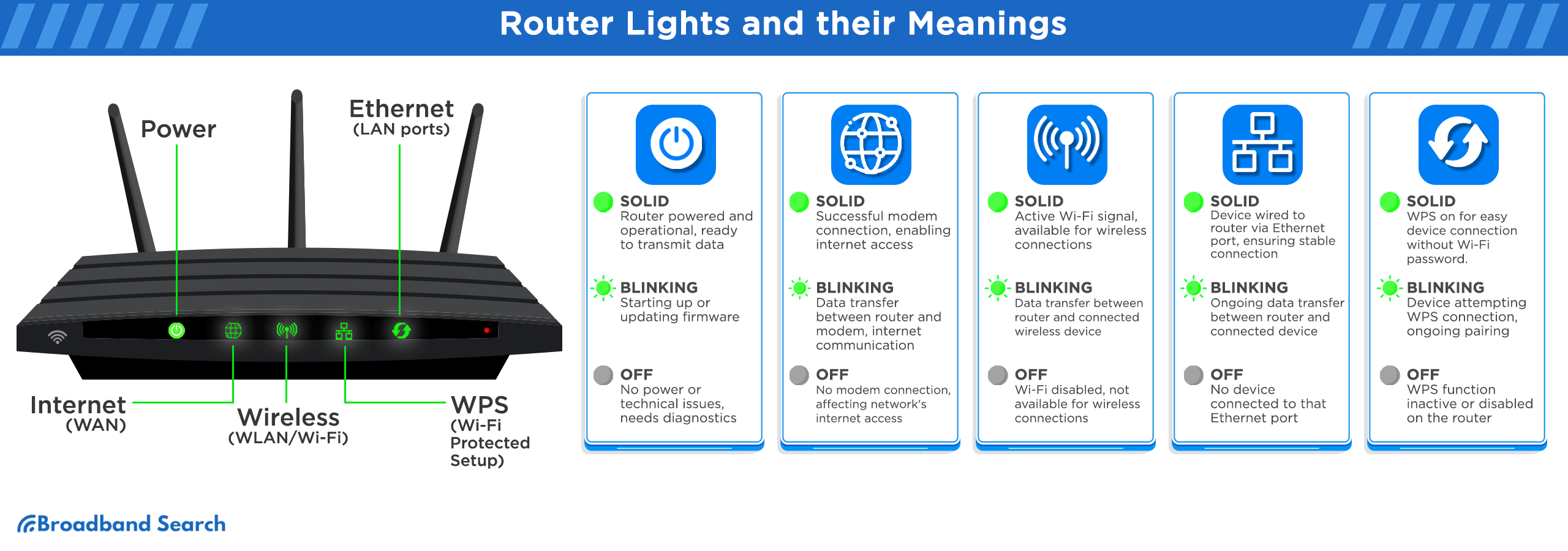
1. Wi-Fi Router
A Wi-Fi router is one of the most important devices in modern homes. It connects phones, computers, smart TVs, and other smart appliances to the internet. Because it runs continuously, some people assume unplugging it when not in use will save electricity.
However, routers consume very little power—usually between 6 and 12 watts. The electricity cost of running a router for an entire year is relatively small compared with most other appliances.
Frequently unplugging a router can actually cause several problems. Restarting it repeatedly forces the hardware and firmware to reload every time. Over time, this can lead to slower boot times, network instability, and wear on the internal components.
In addition, many smart home devices rely on a stable internet connection. Turning off the router can disrupt security cameras, smart doorbells, thermostats, and cloud-connected systems.
For most households, keeping the router plugged in 24/7 is the safest and most practical option.

2. Refrigerator
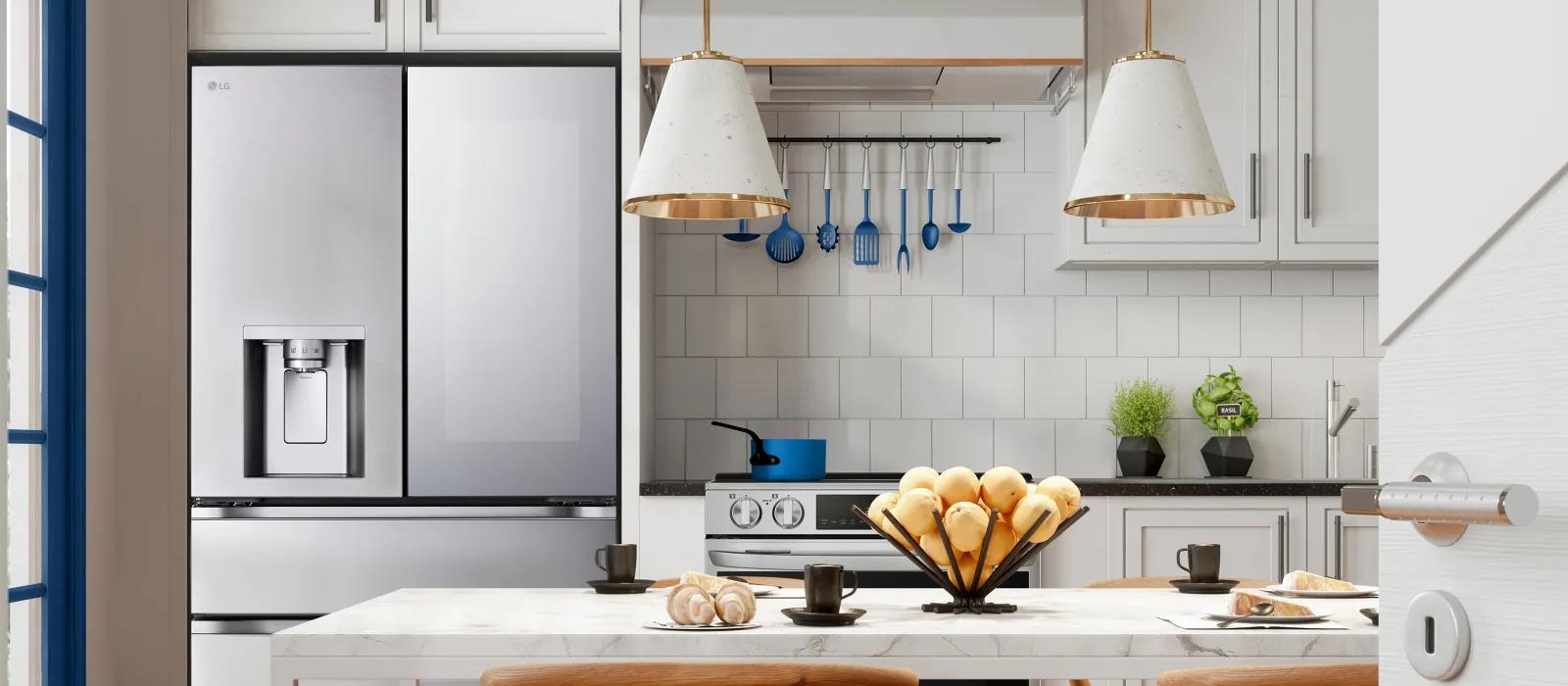
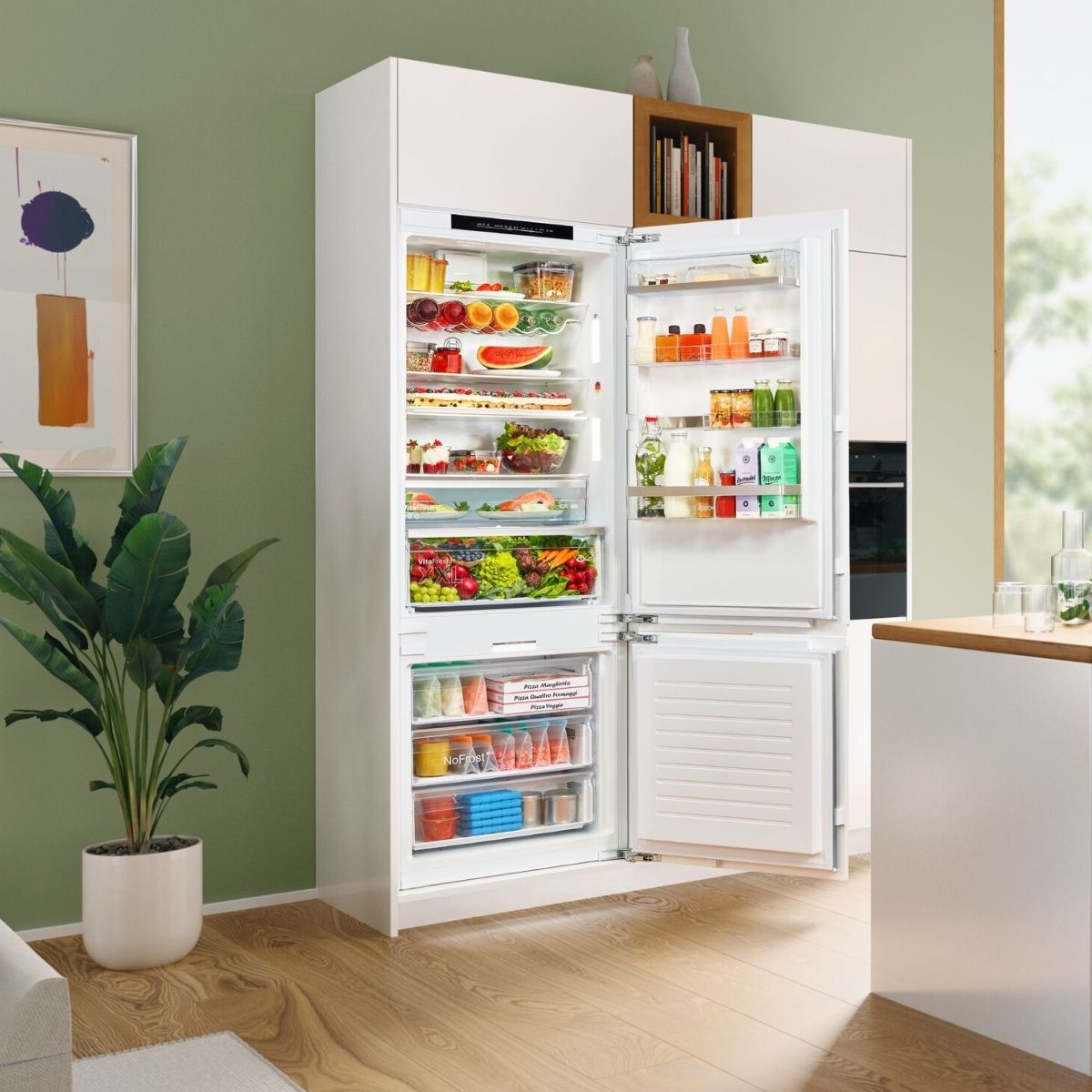
The refrigerator is designed to run continuously. It maintains a stable temperature to preserve food and prevent spoilage. Unplugging it frequently can cause major problems.
When the refrigerator loses power, the temperature inside rises quickly. This can allow bacteria to grow and cause food to spoil, especially dairy products, meat, and leftovers.
Repeatedly turning the refrigerator on and off can also put extra stress on the compressor, which is the most expensive component of the appliance. Compressors work best when they operate in regular cycles rather than being forced to start from a completely cold state repeatedly.
Because refrigerators are built to run efficiently around the clock, unplugging them rarely saves meaningful electricity. Instead, it may increase wear and reduce the appliance's lifespan.


3. Inkjet Printers
Inkjet printers are surprisingly sensitive to power interruptions. Many modern printers run automatic maintenance cycles that keep the printhead clean and prevent ink from drying inside the nozzles.
If the printer is unplugged instead of being turned off using its power button, this maintenance process may not run properly.
When printheads dry out, the printer may produce faded prints, streaks, or completely blocked lines. In severe cases, the printhead may become permanently damaged, requiring expensive repairs or replacement.
Leaving the printer plugged in allows it to manage its internal cleaning routines and remain ready for use whenever needed.


4. Smart TVs
Smart televisions are essentially small computers with complex operating systems. They run background updates, system maintenance tasks, and software improvements when in standby mode.
If the TV is unplugged frequently, these processes may be interrupted. This can lead to incomplete software updates, system errors, or slower performance over time.
Standby power consumption for most modern TVs is extremely low, often less than 1 watt. The amount of electricity saved by unplugging the TV is minimal compared to the convenience of instant startup and stable system performance.
Keeping the TV plugged in ensures it remains updated and ready to use.


5. Washing Machines
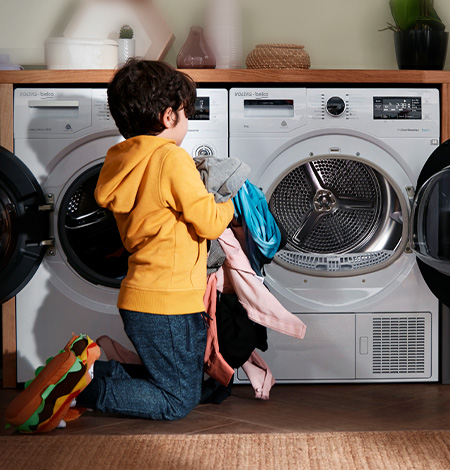
While washing machines do not need to run constantly, unplugging them frequently can still be unnecessary and sometimes inconvenient.
Modern washers contain electronic control boards that manage washing cycles, sensors, and safety systems. Sudden power disconnection may disrupt memory settings or internal diagnostics.
Additionally, repeatedly plugging and unplugging a washing machine can cause wear on the outlet or plug itself. In rare cases, loose connections may even create electrical hazards.
It is generally better to keep the washing machine plugged in and simply turn it off when not in use.
6. Cable Boxes and Streaming Devices
Cable boxes, streaming sticks, and digital TV receivers often perform background updates and maintain network connections. Unplugging them may cause them to download updates repeatedly or reset system configurations.
These devices also need time to reconnect to networks and reload software when powered on again, which can be inconvenient for users.
Keeping them plugged in ensures smoother performance and fewer interruptions.
7. Desktop Computers
While laptops run on batteries, desktop computers rely entirely on a stable power supply. Sudden power loss—especially without proper shutdown—can damage files, corrupt operating systems, or even harm hardware components.
Using the normal shutdown process is much safer than cutting power directly.
The Real Truth About Standby Power
Many people worry about “phantom power” or standby electricity consumption. While this is a real phenomenon, the amount used by most modern devices is relatively small.
Energy-efficient electronics today are designed to minimize standby power. In many cases, the cost of running them in standby mode for an entire year may only equal a few dollars.
The bigger energy savings usually come from reducing the use of high-power appliances, such as air conditioners, electric heaters, and dryers.
A Smarter Approach to Saving Energy
Instead of unplugging everything, focus on smarter energy habits:
• Turn off lights when leaving a room
• Use energy-efficient appliances
• Maintain refrigerators and air conditioners properly
• Use power strips for devices that truly do not need standby power
By understanding how appliances work, households can protect their devices while still reducing electricity consumption.
Conclusion
Unplugging appliances may seem like a simple way to save electricity, but it is not always beneficial. Devices such as Wi-Fi routers, refrigerators, printers, smart TVs, washing machines, cable boxes, and desktop computers are designed to remain connected to power for optimal performance.
Rather than unplugging these devices repeatedly, it is better to use them properly and focus on genuine energy-saving practices. Protecting appliances and maintaining stable power can ultimately save more money—and prevent costly repairs in the long run.