For Those Who Pass Gas More Than 25 Times a Day: What Your Body Might Be Trying to Tell You
Passing gas, commonly called farting, is a completely natural part of human digestion. Every person produces gas in their digestive system as food is broken down and bacteria in the intestines ferment certain nutrients. In fact, the average healthy person passes gas between 10 and 20 times per day.
However, when someone experiences excessive gas—more than about 25 times a day—it may indicate that the digestive system is reacting to certain foods, habits, or underlying health conditions. While occasional increases in gas are normal, persistent excessive gas may signal that it is time to look more closely at diet and digestive health.
Understanding why this happens can help people manage their symptoms and improve overall gut health.
What Causes Gas in the Digestive System?


Gas forms in the digestive tract mainly through two processes:
-
Swallowing air while eating, drinking, or talking.
-
Fermentation of food by bacteria in the large intestine.
Certain foods are not completely digested in the small intestine. When they reach the colon, bacteria break them down, producing gases such as hydrogen, methane, and carbon dioxide.
These gases must leave the body somehow—either through burping or passing gas.
While this process is normal, excessive gas can occur when the digestive system struggles to process certain foods.
1. Eating Gas-Producing Foods


One of the most common reasons for frequent gas is consuming foods that are naturally difficult to digest.
These foods include:
-
Beans and lentils
-
Broccoli and cabbage
-
Onions
-
Whole grains
-
Certain fruits like apples and pears
These foods contain complex carbohydrates and fiber that intestinal bacteria ferment, producing gas as a by-product.
While these foods are extremely healthy, people who suddenly increase their fiber intake may notice more gas temporarily. The digestive system usually adapts over time.
2. Eating Too Quickly



Another overlooked cause of excessive gas is eating too fast. When people eat quickly, they swallow more air along with their food.
This extra air travels through the digestive system and eventually needs to be released. Habits that increase swallowed air include:
-
Drinking through straws
-
Chewing gum frequently
-
Talking while eating
-
Drinking carbonated beverages
Eating slowly and chewing food thoroughly can significantly reduce this type of gas.
3. Food Intolerances

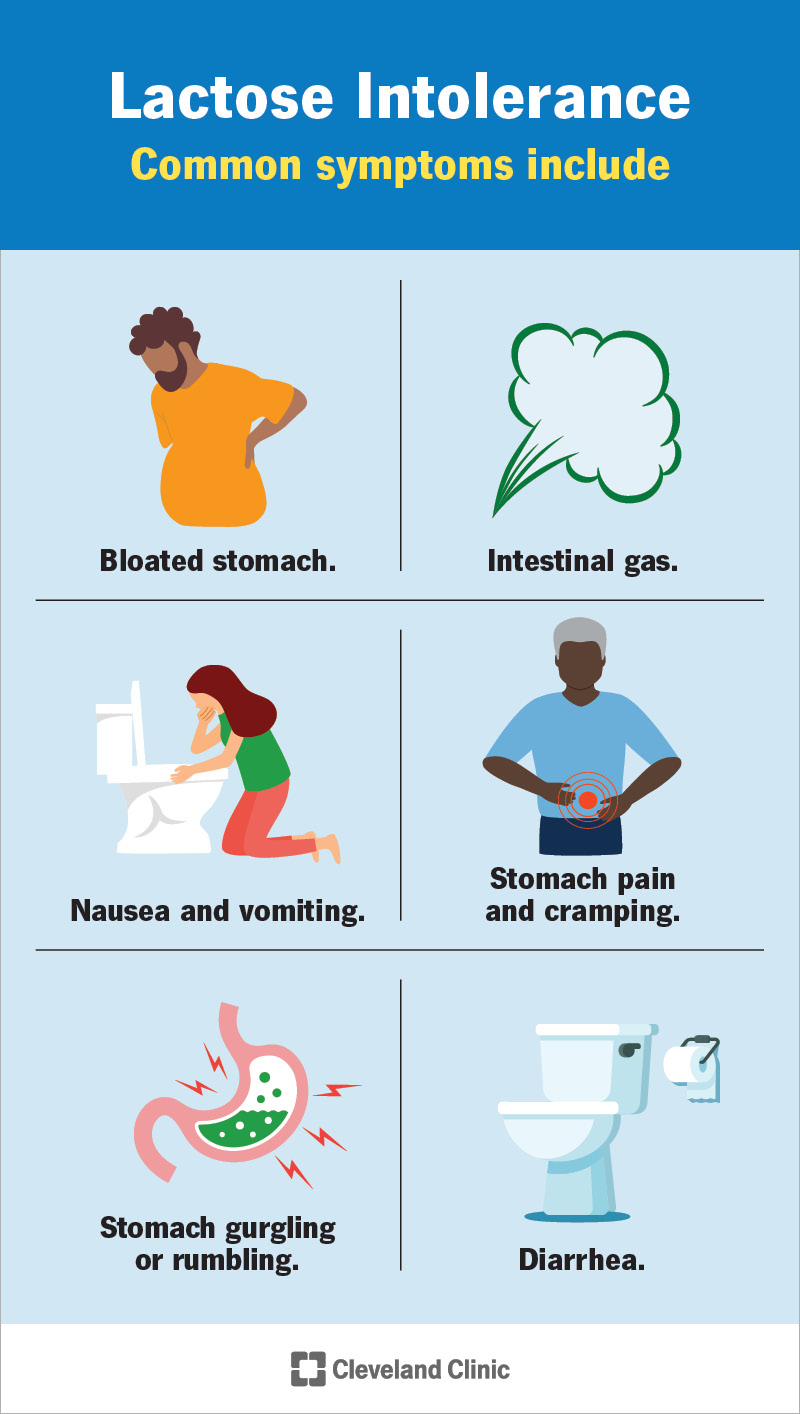

Some people experience excessive gas because their bodies cannot properly digest certain food components.
One of the most common examples is lactose intolerance, where the body lacks enough of the enzyme needed to break down lactose found in milk and dairy products.
Symptoms often include:
-
Bloating
-
Abdominal discomfort
-
Frequent gas
-
Diarrhea
Other intolerances may involve gluten or certain artificial sweeteners.
Identifying trigger foods and adjusting the diet can often improve symptoms significantly.
4. Digestive Health Conditions


In some cases, excessive gas may be associated with digestive disorders such as:
-
Irritable bowel syndrome (IBS)
-
Small intestinal bacterial overgrowth (SIBO)
-
Chronic indigestion
-
Gut microbiome imbalance
These conditions can alter how food is processed and how gas is produced within the intestines.
When excessive gas is accompanied by other symptoms—such as severe pain, unexplained weight loss, or persistent diarrhea—it may be important to seek medical advice.
Simple Ways to Reduce Excess Gas
Fortunately, many people can reduce frequent gas with simple lifestyle adjustments.
Helpful strategies include:
-
Eating more slowly
-
Avoiding excessive carbonated drinks
-
Keeping a food diary to identify triggers
-
Increasing fiber intake gradually
-
Staying physically active to support digestion
Regular movement, such as walking after meals, can help the digestive system move gas through the intestines more efficiently.
When Should You See a Doctor?
Passing gas is normal, but certain warning signs should not be ignored.
Medical evaluation may be necessary if excessive gas occurs along with:
-
Persistent abdominal pain
-
Blood in the stool
-
Severe bloating
-
Unexplained weight loss
-
Frequent diarrhea or constipation
These symptoms could indicate digestive conditions that require professional treatment.
Final Thoughts
While passing gas more than 25 times a day can feel embarrassing, it is often simply the body responding to diet or eating habits. The digestive system is a complex ecosystem where bacteria, enzymes, and food interact constantly.
By paying attention to what you eat, how you eat, and how your body reacts, you can often identify the cause and make small adjustments that improve digestive comfort.
In most cases, excess gas is not dangerous—but it can be an important signal from the body about digestive health.