When spring arrives, gardens and parks begin to fill with colorful blooms that signal the return of warmer days. Among these beautiful flowers is the grape hyacinth, scientifically known as Muscari. With its clusters of small, bell-shaped flowers that resemble tiny grapes, this plant creates a charming display of blue, purple, and sometimes white blossoms.
Grape hyacinths are widely admired for their ornamental value and are commonly planted in gardens, flower beds, and landscapes. However, what many people may not realize is that certain species of Muscari have also been used traditionally as edible plants. When properly identified and prepared, some parts of these plants have been included in regional cuisines for generations.
Understanding the differences between edible and non-edible varieties is extremely important, as not all plants that resemble grape hyacinths are safe to consume.

What Is Grape Hyacinth?
Grape hyacinths belong to the genus Muscari, which includes dozens of species of small flowering plants native to Europe, the Mediterranean region, and parts of Asia. These plants grow from bulbs and typically bloom in early to mid-spring.
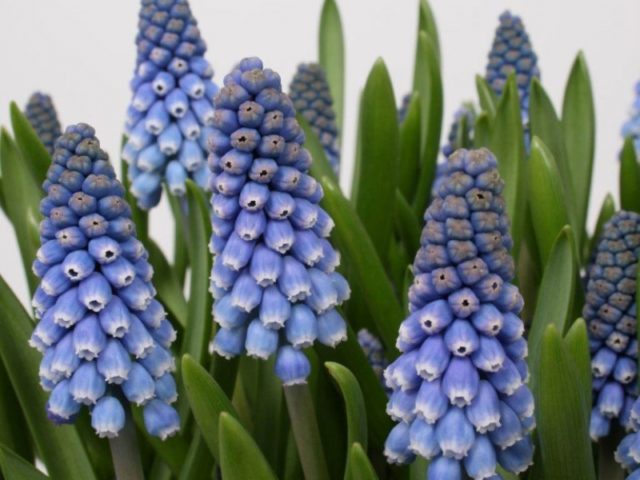
The flowers grow in tight clusters on a central stem, creating the appearance of miniature grapes. Most varieties produce vibrant blue or violet flowers, although some cultivars display lighter shades or even white blooms.
Because they are hardy and easy to grow, grape hyacinths have become popular garden plants worldwide.
Why the Plant Is Called “Grape Hyacinth”
Despite the name, grape hyacinths are not true hyacinths. The name comes from their appearance and fragrance.
The flowers resemble small grapes, and some varieties release a light scent similar to that of traditional hyacinths. This combination of grape-like clusters and pleasant fragrance inspired the common name “grape hyacinth.”
Edible Traditions in Some Cultures
In certain regions, especially parts of the Mediterranean and Middle East, specific Muscari species have been used as edible plants. The bulbs of some varieties have been traditionally harvested and cooked.
For example, in parts of southern Europe, certain grape hyacinth bulbs have historically been boiled, pickled, or preserved in vinegar. These preparations were used as side dishes or condiments in traditional cuisine.
However, the bulbs were typically processed carefully to remove bitterness and ensure they were suitable for consumption.
The Importance of Correct Identification
Although some Muscari species have edible uses, proper identification is extremely important before considering any plant for consumption.
Many ornamental plants in gardens resemble grape hyacinths but may belong to entirely different plant groups. Some of these look-alike plants can be toxic.
Even within the Muscari genus, not every species has a history of safe culinary use. For this reason, plant identification should be confirmed by experts or reliable botanical references before using any wild or ornamental plant as food.
Without accurate identification, consuming unfamiliar plants can be unsafe.
Grape Hyacinths as Garden Plants
For most gardeners, grape hyacinths are valued primarily for their decorative qualities rather than their edible potential.
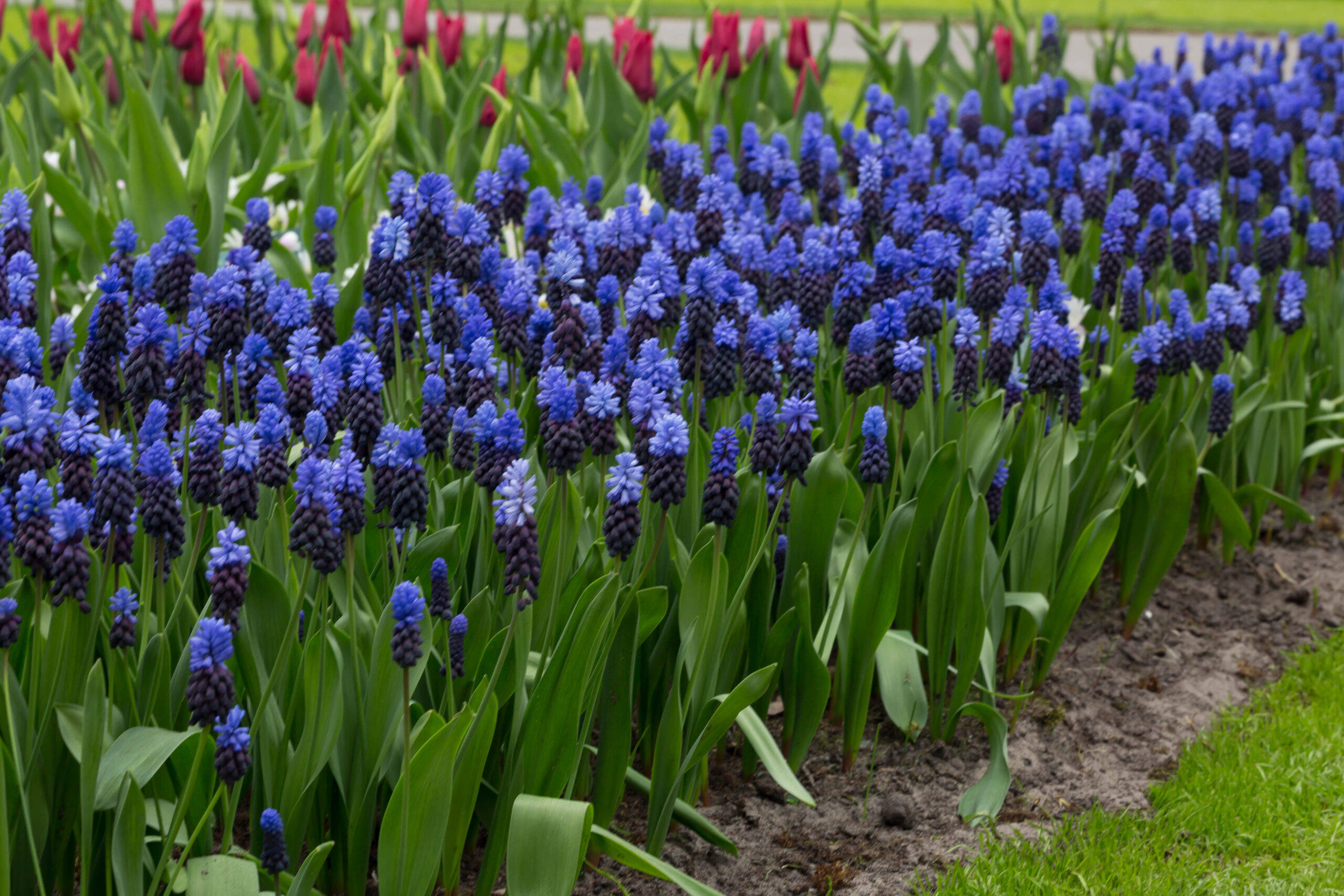
These plants are commonly used to create colorful borders, fill spaces between larger plants, or naturalize in lawns and woodland gardens. Because they grow from bulbs, they return year after year with minimal care.
Grape hyacinths are also known for their ability to spread easily, forming dense clusters of flowers that create striking displays in spring landscapes.
Easy to Grow and Maintain
One reason grape hyacinths are so popular is their simplicity. They are hardy plants that tolerate a wide range of soil conditions and climates.
Gardeners typically plant the bulbs in autumn so they can establish roots before winter. By early spring, the plants emerge and begin flowering.
They require little maintenance beyond occasional watering and can thrive in both full sunlight and partial shade.
Once established, they often multiply naturally, providing beautiful blooms year after year.
Attracting Pollinators
Another benefit of grape hyacinths is their role in supporting pollinators. Early spring flowers provide an important food source for bees and other beneficial insects emerging after winter.
The nectar and pollen found in these flowers help support local ecosystems and contribute to pollination of other plants.
For this reason, grape hyacinths are often included in pollinator-friendly gardens.
Safety and Responsible Curiosity
While it may be fascinating to learn that some ornamental plants have edible histories, it is important to approach such information carefully.
Many plants that appear similar may have very different chemical compositions. Garden plants are often grown for decorative purposes rather than food production, and they may have been treated with fertilizers or pesticides.
Therefore, experts generally recommend enjoying grape hyacinths primarily as ornamental flowers unless their identification and preparation are clearly understood through reliable sources.
Appreciating the Beauty of Spring
Whether admired for their vibrant colors, pleasant fragrance, or historical cultural uses, grape hyacinths remain one of the most beloved flowers of the spring season.
Their small but striking blooms bring life and color to gardens after the long winter months. When planted in clusters, they create stunning carpets of blue and purple that brighten landscapes and signal the arrival of warmer days.
Even without considering their edible traditions, grape hyacinths offer beauty, ecological benefits, and a touch of natural charm to outdoor spaces.
Conclusion
Grape hyacinths (Muscari) are beautiful spring flowers known for their distinctive grape-like clusters and vibrant colors. While certain species have been traditionally used as edible plants in some regions, proper identification is essential before considering any plant for consumption.
For most people, grape hyacinths are best appreciated as ornamental flowers that enhance gardens, attract pollinators, and celebrate the beauty of the spring season.
Their delicate blooms remind us that nature often holds fascinating stories behind even the smallest plants.