Laundry is one of the most common household tasks, yet many people are surprised to learn that using detergent alone is often not enough to achieve truly clean clothes. Professional laundries, hotels, and cleaning services use a combination of techniques and additional products to ensure garments come out fresh, spotless, and well cared for.
At home, many people simply add detergent to the washing machine and press start. While detergent is essential for removing dirt and oils, professional laundry services often follow additional steps that improve cleaning performance, remove stubborn stains, and preserve the fabric of clothing.
Understanding these simple tricks used by professional laundries can help improve laundry results and extend the life of clothes.
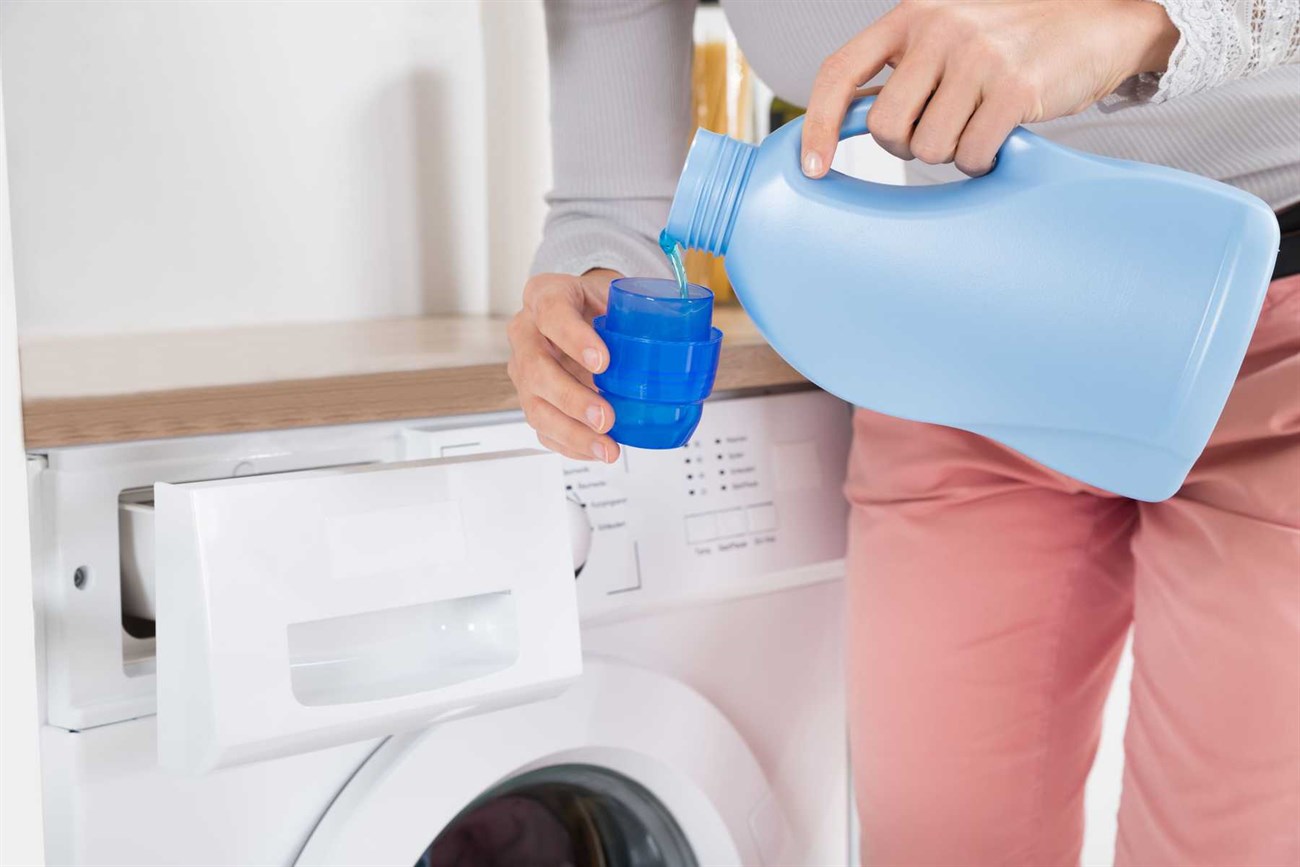
Why Detergent Alone Sometimes Isn’t Enough
Detergent is designed to break down dirt, oils, and certain stains. However, clothing can collect a wide range of contaminants that detergent alone may struggle to remove completely.
These include:
-
Body oils and sweat
-
Deodorant residue
-
Hard water minerals
-
Food stains
-
Bacteria and odors
-
Fabric softener buildup
Over time, these substances can accumulate in fabrics, causing clothes to appear dull, stiff, or less fresh even after washing.
Professional laundries address this issue by combining detergent with additional cleaning agents and techniques.
The Professional Laundry Trick: Adding Boosters
One of the most common techniques used by professional laundries is the use of laundry boosters.
Laundry boosters are substances added alongside detergent to enhance cleaning performance. These products help break down specific types of stains or improve water quality during the wash cycle.
Some common laundry boosters include:
-
Baking soda
-
White vinegar
-
Oxygen-based cleaners
-
Washing soda
These ingredients can help remove stains, eliminate odors, and improve the effectiveness of detergent.
Baking Soda for Deeper Cleaning
Baking soda is widely used by professional cleaners because of its ability to neutralize odors and enhance detergent performance.
When added to the washing machine, baking soda helps balance the pH level of water. This allows detergent to work more effectively and break down dirt more easily.
Benefits of adding baking soda to laundry include:
-
Removing unpleasant odors
-
Brightening white fabrics
-
Softening water in hard-water areas
-
Helping detergent dissolve more efficiently
Many professional laundries use baking soda to refresh clothing that has absorbed sweat or smoke odors.
White Vinegar for Removing Residue
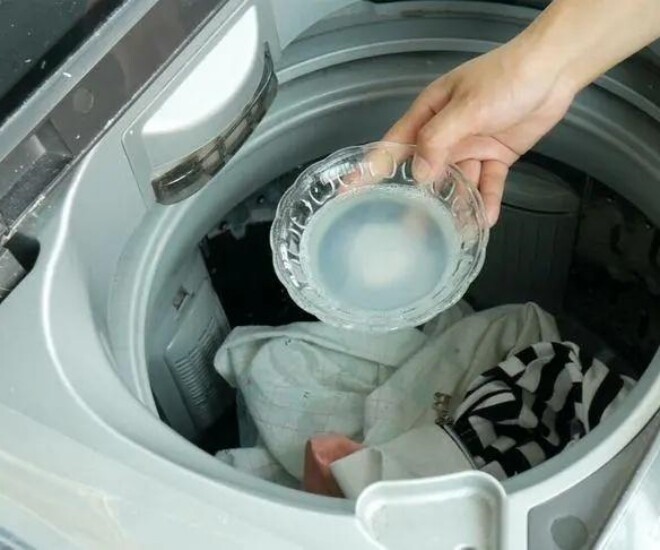
White vinegar is another simple but powerful laundry aid. Although it may sound unusual, vinegar is commonly used by professional laundries to remove detergent buildup and soften fabrics.
When used during the rinse cycle, vinegar helps break down leftover soap residues that can remain trapped in clothing fibers.
Advantages of using vinegar include:
-
Eliminating detergent residue
-
Reducing odors
-
Softening fabrics naturally
-
Helping remove mineral deposits from hard water
Vinegar can also help restore softness to towels that have become stiff from repeated washing.
Oxygen-Based Cleaners for Tough Stains
Professional laundries often use oxygen-based cleaning agents to tackle stubborn stains and brighten fabrics.
Unlike chlorine bleach, oxygen cleaners are generally gentler on fabrics and safer for colored clothing.
They work by releasing oxygen bubbles that help lift stains from fabric fibers.
These cleaners are commonly used to remove:
-
Food stains
-
Sweat marks
-
Coffee and tea stains
-
Wine stains
Oxygen cleaners can be especially useful when washing white or light-colored clothing.
Washing Soda for Heavy-Duty Cleaning
Washing soda, also known as sodium carbonate, is a stronger version of baking soda often used in professional laundry operations.
It helps break down grease and oils while also softening hard water.
When water contains high levels of minerals such as calcium and magnesium, detergent becomes less effective. Washing soda helps neutralize these minerals so detergent can perform better.
Because it is stronger than baking soda, washing soda should be used carefully and in small amounts.
Sorting Clothes the Professional Way
Professional laundries also emphasize the importance of proper sorting before washing.
Sorting clothes by color, fabric type, and level of dirt can improve cleaning results and prevent damage.
Common sorting categories include:
-
White clothing
-
Dark clothing
-
Delicate fabrics
-
Heavily soiled items
Washing heavily soiled clothes separately ensures they receive the extra cleaning attention they require.
Using the Right Water Temperature
Temperature plays a major role in laundry effectiveness.
Professional laundries carefully choose water temperature based on fabric type and stain type.
General guidelines include:
-
Cold water for delicate fabrics and bright colors
-
Warm water for everyday clothing
-
Hot water for towels, bedding, and heavily soiled items
Using the correct temperature helps remove stains while protecting the integrity of fabrics.
Avoiding Overloading the Washing Machine
Another mistake many people make at home is overloading the washing machine.
When too many clothes are packed into the drum, detergent and water cannot circulate properly. As a result, dirt and soap residue may remain trapped in the fabric.
Professional laundries ensure there is enough space in the washing machine for clothes to move freely during the wash cycle.
This allows water, detergent, and boosters to reach all areas of the clothing.
Proper Drying Makes a Difference
Cleaning clothes properly does not end with washing. Professional laundries also pay attention to the drying process.
Over-drying clothing can damage fibers and cause fabrics to lose their softness.
Helpful drying tips include:
-
Using moderate heat settings
-
Removing clothes promptly after drying
-
Air-drying delicate fabrics when possible
These steps help maintain fabric quality and prevent unnecessary wear.
Simple Habits for Better Laundry Results
Adopting a few professional laundry habits at home can significantly improve results.
Useful habits include:
-
Adding natural boosters such as baking soda or vinegar
-
Pre-treating stains before washing
-
Sorting clothes carefully
-
Avoiding excessive detergent use
-
Cleaning the washing machine regularly
These small changes can make clothes look brighter, smell fresher, and last longer.
Final Thoughts
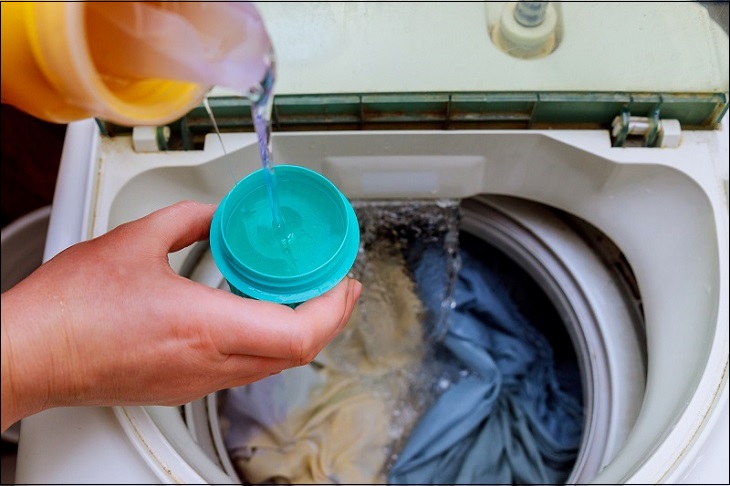
While detergent is an essential part of laundry, professional laundries know that a truly effective wash often requires additional steps and ingredients. Simple boosters like baking soda, vinegar, and oxygen cleaners can enhance the cleaning process and help remove stubborn stains, odors, and residues.
By combining detergent with these techniques and following professional laundry practices—such as proper sorting, temperature selection, and careful drying—anyone can achieve cleaner, fresher clothing at home.
Sometimes the difference between average laundry and professional-level results comes from just a few simple adjustments that make the washing process more effective.