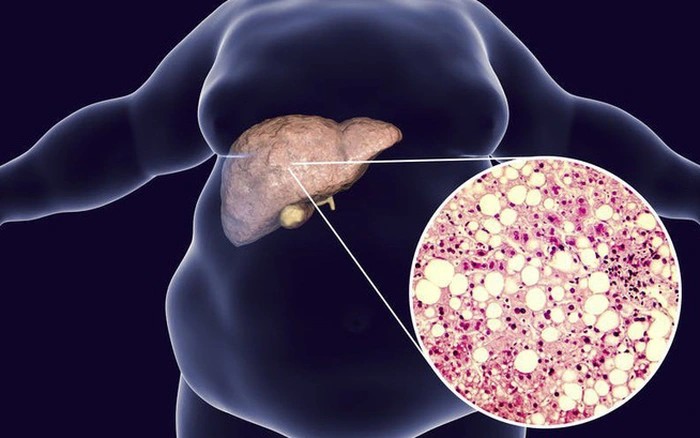
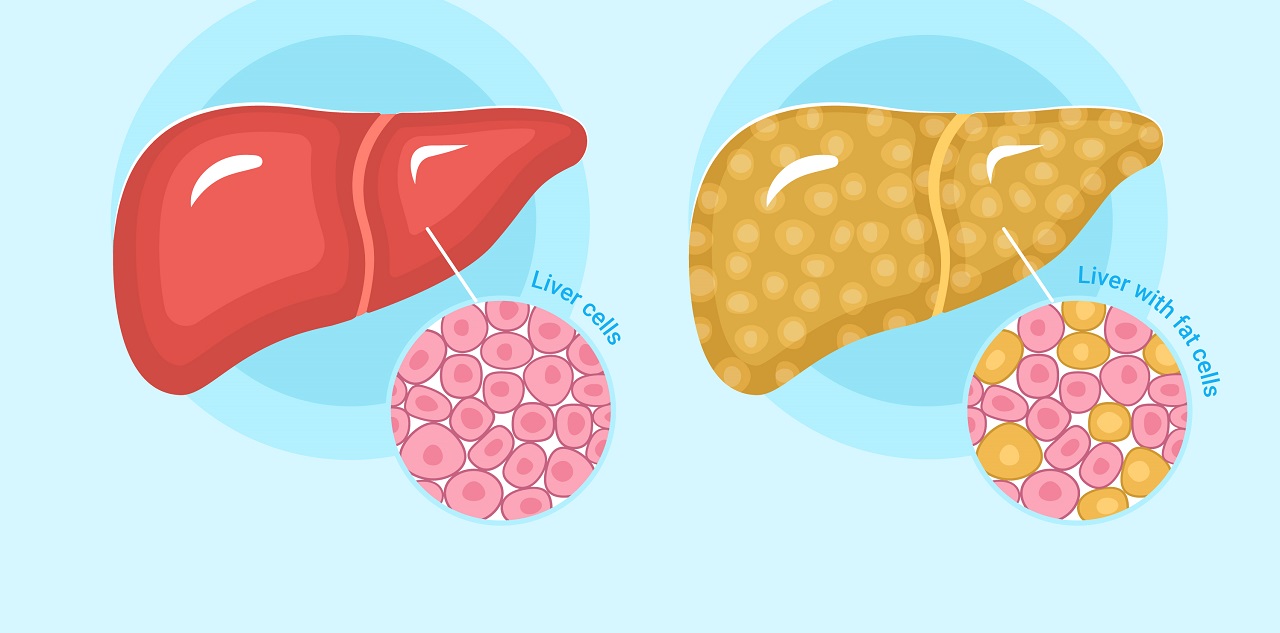
In recent years, doctors around the world have noticed a significant rise in cases of fatty liver disease, particularly a condition known as non-alcoholic fatty liver disease (NAFLD). This condition occurs when excess fat accumulates in the liver, even in people who drink little or no alcohol. While fatty liver disease may not always cause symptoms in its early stages, it can gradually progress and lead to serious health complications if left unmanaged.
The liver plays a vital role in the body. It helps process nutrients, filter toxins, regulate metabolism, and produce important proteins that support overall health. When fat builds up in liver cells, these functions can become impaired. Over time, this may lead to inflammation, liver damage, or more severe conditions such as liver fibrosis and cirrhosis.
One reason fatty liver disease is becoming more common is that many of the contributing factors are tied to daily lifestyle habits. Modern diets, sedentary routines, and certain behavioral patterns can gradually affect liver health without people realizing it.
Doctors often emphasize that prevention starts with awareness. Understanding the habits that may contribute to fatty liver disease can help individuals make healthier choices and reduce their risk.
Below are three common everyday habits that doctors frequently associate with the rising rates of fatty liver disease.
Habit 1: Consuming Too Much Sugar and Processed Foods
One of the most important dietary factors linked to fatty liver disease is excessive consumption of sugar, particularly added sugars found in processed foods and beverages.
Many popular foods today contain high amounts of refined sugars and high-fructose corn syrup, which can place additional stress on the liver. When the body consumes more sugar than it needs for energy, the liver converts the excess into fat through a process known as lipogenesis.
Over time, this fat can accumulate within liver cells.
Common sources of added sugar include:
-
Soft drinks and sweetened beverages
-
Candy and desserts
-
Packaged snacks
-
Sweetened breakfast cereals
-
Flavored yogurts and processed foods
Fructose, a type of sugar often used in sweetened beverages, is processed primarily in the liver. Large amounts of fructose may increase fat production in the liver and contribute to insulin resistance.
Doctors often recommend limiting added sugar intake and choosing whole, minimally processed foods instead.
Habit 2: Lack of Physical Activity
Another major factor contributing to fatty liver disease is a sedentary lifestyle. Physical inactivity can affect how the body processes fats and sugars, leading to metabolic imbalances.
When people spend long periods sitting or engaging in minimal physical activity, the body becomes less efficient at using energy. Excess calories are more likely to be stored as fat, including fat within the liver.
Regular exercise helps improve the body’s ability to regulate blood sugar, burn fat, and maintain a healthy weight. It also supports insulin sensitivity, which plays an important role in metabolic health.
Health experts often recommend:
-
At least 150 minutes of moderate physical activity per week
-
Incorporating activities such as walking, cycling, swimming, or jogging
-
Reducing long periods of sitting during the day
Even simple lifestyle changes, such as taking short walks or using stairs instead of elevators, can contribute to improved metabolic health.
Habit 3: Frequent Late-Night Eating and Irregular Meals
Modern lifestyles often involve irregular eating patterns, including late-night snacking and skipping regular meals during the day.
Eating late at night can interfere with the body’s natural metabolic rhythms. The liver plays a key role in regulating energy balance, and its metabolic activity follows a circadian rhythm linked to the body’s internal clock.
When meals are consumed very late in the evening, the body may have less opportunity to properly process and utilize those calories. As a result, excess energy may be stored as fat.
Frequent late-night eating may also lead to:
-
Higher calorie intake overall
-
Increased risk of weight gain
-
Disrupted sleep patterns
Doctors often recommend maintaining regular meal schedules and avoiding heavy meals shortly before bedtime.

Additional Risk Factors for Fatty Liver Disease
While lifestyle habits play a major role, several other factors may also influence the risk of fatty liver disease.
These include:
-
Obesity or excess body weight
-
Type 2 diabetes
-
High cholesterol or triglycerides
-
Genetic predisposition
-
Certain medications
Because fatty liver disease often develops gradually, many individuals may not realize they have it until routine medical tests reveal abnormal liver enzyme levels.
Symptoms and Early Detection
In its early stages, fatty liver disease may cause few or no noticeable symptoms. However, some individuals may experience signs such as:
-
Fatigue
-
Mild discomfort in the upper right abdomen
-
Unexplained weight changes
Doctors often detect fatty liver disease through:
-
Blood tests
-
Ultrasound imaging
-
CT scans or MRI
-
Specialized liver assessments
Early detection allows individuals to make lifestyle changes that may improve liver health and prevent disease progression.
Lifestyle Changes That Support Liver Health
Fortunately, fatty liver disease can often be improved or reversed in its early stages through healthy lifestyle changes.
Doctors commonly recommend the following strategies:
Improve Diet Quality
Focus on foods that support metabolic health, such as:
-
Vegetables and fruits
-
Whole grains
-
Lean proteins
-
Healthy fats such as olive oil and nuts
Limiting processed foods, sugary drinks, and excessive refined carbohydrates can help reduce liver fat.
Maintain a Healthy Weight
Gradual weight loss may help reduce fat accumulation in the liver. Even a modest weight reduction of 5–10% of body weight can lead to measurable improvements.
Stay Physically Active
Regular exercise supports fat metabolism and improves insulin sensitivity.
Both aerobic exercise and strength training can be beneficial.
Get Enough Sleep
Sleep plays an important role in regulating metabolism and hormone balance. Maintaining consistent sleep patterns can support overall health.
Why Awareness Matters
Fatty liver disease is becoming increasingly common worldwide, partly because modern lifestyles often include high-calorie diets, sedentary behavior, and irregular eating patterns.
The encouraging news is that many of the risk factors are modifiable through everyday habits. By paying attention to diet, physical activity, and daily routines, individuals can significantly support their liver health.
Final Thoughts
The growing prevalence of fatty liver disease highlights the importance of understanding how everyday habits influence long-term health. According to doctors, three common behaviors—excessive sugar consumption, lack of physical activity, and irregular eating patterns—can contribute to the development of fatty liver disease over time.
Although the condition can be serious if it progresses, early awareness and lifestyle adjustments can make a meaningful difference. Simple steps such as reducing sugary foods, staying active, and maintaining balanced eating habits may help protect liver function and support overall wellbeing.
In the end, maintaining liver health is not about drastic changes but about consistent, mindful habits that support the body’s natural balance.