Wooden cutting boards are a popular choice in many kitchens because they are durable, attractive, and gentle on knife blades. Many professional chefs and home cooks prefer wooden boards for preparing vegetables, fruits, bread, and even meat. However, because cutting boards come into direct contact with food, they can easily accumulate bacteria, odors, and stains if they are not cleaned properly.
Unlike plastic boards, wooden cutting boards require a little extra care. Wood is a natural material that can absorb moisture, food juices, and odors. If the board is not cleaned correctly, it may develop unpleasant smells or even harbor bacteria over time.
Fortunately, keeping wooden cutting boards clean does not have to be difficult. With a few simple cleaning techniques and regular maintenance, you can keep your cutting boards hygienic and in excellent condition for years.

Why Proper Cleaning Is Important
Cutting boards are used to prepare many different foods, including raw vegetables, fruits, and sometimes meat or fish. Each time a knife cuts into food, small particles and liquids can remain on the surface of the board.
If these residues are not removed, bacteria may grow and cause contamination. In addition, food odors—such as garlic, onion, or fish—can linger in the wood.
Regular cleaning helps remove food residue, reduce bacteria, and maintain the natural appearance of the board.
Clean the Board Immediately After Use
One of the simplest ways to keep a wooden cutting board clean is to wash it immediately after use. Letting food residue sit on the board for a long time allows stains and odors to develop.
To clean the board, rinse it under warm running water and use a mild dish soap with a soft sponge or brush. Gently scrub the surface to remove any food particles.
After washing, rinse the board thoroughly to remove soap residue.
Avoid Soaking Wooden Boards
Unlike plastic cutting boards, wooden boards should never be soaked in water. Prolonged exposure to water can cause the wood fibers to expand and weaken.
This may lead to cracking, warping, or splitting over time. Instead of soaking, wash the board quickly and dry it immediately with a clean cloth or paper towel.
Standing the board upright after washing allows air to circulate and helps it dry completely.
Use Lemon and Salt to Remove Odors
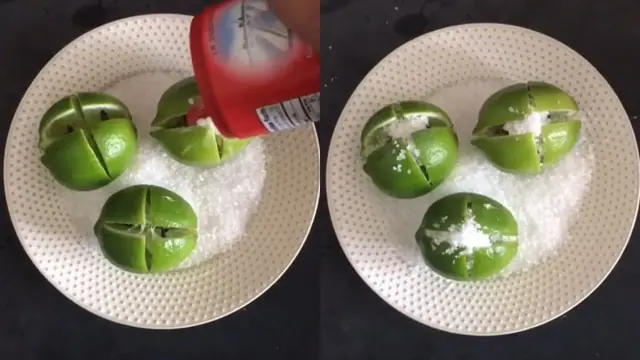
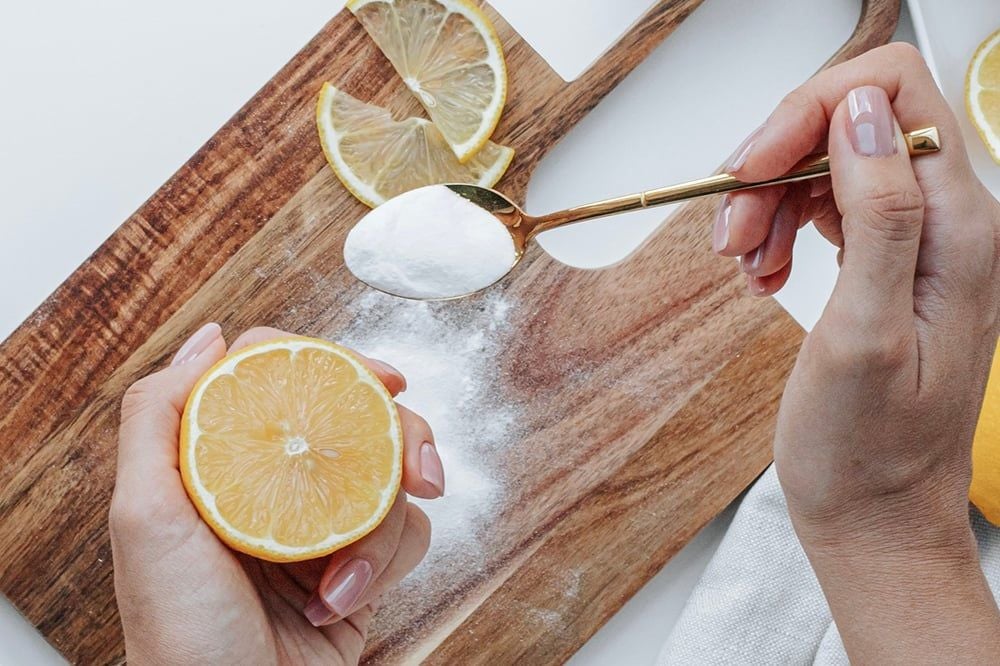
A natural and effective method for removing odors from wooden cutting boards involves using lemon and coarse salt.
First, sprinkle a small amount of coarse salt across the surface of the board. Then cut a lemon in half and rub it across the salted surface.
The lemon juice helps break down food residue and neutralize odors, while the salt acts as a gentle scrub that lifts stains and debris from the wood.
After scrubbing, rinse the board with warm water and dry it thoroughly.
Use Vinegar for Extra Disinfection
White vinegar can also be used as a natural disinfectant for cutting boards. Vinegar contains mild acids that help reduce bacteria and remove lingering odors.
To use this method, pour a small amount of white vinegar onto the board or spray it evenly across the surface. Let it sit for a few minutes before rinsing with water.
This technique can help sanitize the board without harsh chemicals.
Remove Stains with Baking Soda
If the cutting board develops stubborn stains, baking soda can help restore its appearance.
Mix baking soda with a small amount of water to create a gentle paste. Apply the paste to the stained area and scrub lightly with a sponge or brush.
Baking soda acts as a mild abrasive that helps lift stains without damaging the wood.
After cleaning, rinse the board and dry it completely.
Oil the Board Regularly
Maintaining a wooden cutting board also involves conditioning the wood. Over time, frequent washing can dry out the wood and cause it to crack.
Applying food-safe mineral oil or cutting board oil helps protect the wood and keeps it smooth. Simply apply a small amount of oil to the surface and spread it evenly using a clean cloth.
Allow the oil to soak into the wood for several hours or overnight before wiping away any excess.
Regular oiling helps prevent the board from absorbing too much moisture.
Use Separate Boards for Different Foods
Another helpful practice is using separate cutting boards for different types of food. For example, one board can be used for fruits and vegetables, while another is reserved for raw meat or fish.
This reduces the risk of cross-contamination and helps maintain better kitchen hygiene.
Color-coded boards or clearly designated boards can make this practice easier to maintain.
Replace the Board When Necessary
Even with proper care, cutting boards may eventually wear out. Deep grooves or cracks in the wood can trap bacteria and become difficult to clean.
If a board becomes heavily damaged or warped, it may be safer to replace it with a new one.
Regular inspection helps ensure that the board remains safe for food preparation.
Conclusion
Wooden cutting boards are reliable kitchen tools that can last for many years with proper care. Cleaning them quickly after use, avoiding soaking, using natural cleaning ingredients like lemon, vinegar, and baking soda, and conditioning the wood with oil can help maintain their quality.
By following these simple cleaning tips, you can keep your wooden cutting boards hygienic, odor-free, and ready for daily cooking. A well-maintained cutting board not only improves food safety but also helps preserve the beauty and durability of this classic kitchen tool.