Vegetables from the gourd family are widely consumed across the world and are valued for their nutritional benefits, light flavor, and versatility in cooking. Among the most common members of this family are loofah (luffa), bottle gourd, and squash. These vegetables are often used in soups, stir-fries, stews, and traditional dishes in many cultures, particularly in Asia, Africa, and parts of Europe.
They are known for being low in calories, high in water content, and rich in essential nutrients such as vitamins, minerals, and dietary fiber. However, despite their health benefits, there is one important safety rule that people should always remember: if these vegetables taste bitter, they should not be eaten.
While bitterness in vegetables may sometimes be harmless, extreme bitterness in certain gourds can signal the presence of natural toxins that may cause serious health problems.
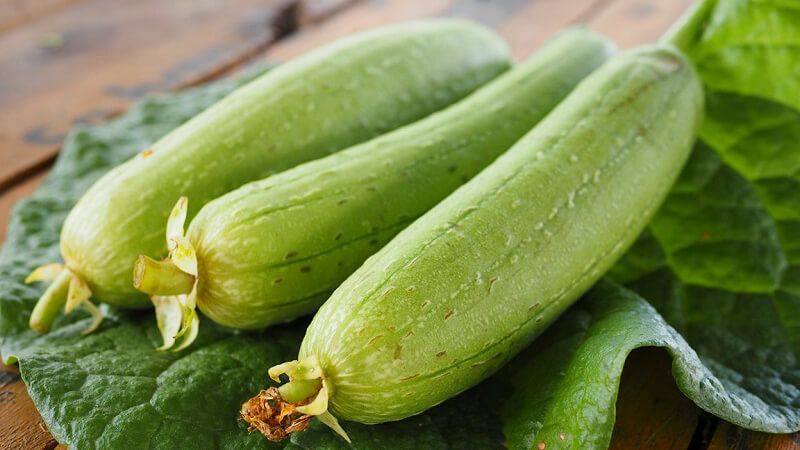
Understanding the Gourd Family
Loofah, bottle gourd, and many types of squash belong to a plant family known as Cucurbitaceae. This plant family includes several commonly consumed vegetables such as cucumbers, pumpkins, zucchini, and melons.
These plants have been cultivated for thousands of years and are widely used in traditional diets because of their nutritional value and adaptability to different climates.
Normally, these vegetables have a mild, slightly sweet, or neutral taste. When cooked properly, they become tender and absorb the flavors of spices and other ingredients easily.
However, occasionally some gourds develop a strong bitter taste due to the presence of certain compounds.
The Reason Behind Bitter Taste
The bitterness found in some gourds is caused by natural compounds called cucurbitacins.
Cucurbitacins are chemicals naturally produced by plants in the gourd family as a defense mechanism against pests and animals. In cultivated vegetables, these compounds are usually present in very small amounts or removed through selective breeding.
However, under certain conditions, cucurbitacins may reappear in higher concentrations.
Factors that may contribute to this include:
-
Environmental stress such as drought or extreme temperatures
-
Cross-pollination with wild gourd varieties
-
Genetic variations in seeds
-
Poor growing conditions
When cucurbitacin levels are high, the vegetable develops an extremely bitter taste.
Why Bitter Gourds Can Be Dangerous
Unlike mild bitterness in some vegetables, the bitterness caused by cucurbitacins is often intense and unpleasant.
These compounds can be toxic when consumed in large amounts. Eating vegetables with high levels of cucurbitacins may lead to symptoms such as:
-
Nausea
-
Vomiting
-
Abdominal pain
-
Diarrhea
-
Digestive discomfort
In rare cases, severe poisoning may occur if large quantities are consumed.
Because cucurbitacins are heat-stable, cooking does not remove the toxins. Even boiling, frying, or steaming the vegetables will not eliminate the harmful compounds.
For this reason, tasting bitterness is considered an important warning sign.

How to Recognize Problematic Gourds
There are several simple ways to identify potentially unsafe gourds.
Taste Test
The most common method is tasting a small piece of the vegetable before cooking. If the taste is extremely bitter, it should be discarded immediately.
Unusual Smell
Sometimes bitter gourds may also have an unusual or unpleasant smell.
Extremely Bitter Flavor
Normal loofah, bottle gourd, and squash should taste mild and slightly sweet. A strong, unpleasant bitterness is not normal.
If bitterness is detected, it is safest to throw the vegetable away rather than attempt to cook it.
Nutritional Benefits of These Vegetables
When they are not bitter, loofah, bottle gourd, and squash offer several health benefits.
Rich in Nutrients
These vegetables contain important nutrients such as:
-
Vitamin C
-
Vitamin A
-
Potassium
-
Magnesium
-
Dietary fiber
These nutrients support immune function, digestive health, and overall wellbeing.
High Water Content
Many gourds contain more than 90 percent water, which helps keep the body hydrated and supports healthy digestion.
Low in Calories
Because they are low in calories and high in fiber, gourds are often included in diets aimed at maintaining healthy weight.
Good for Digestive Health
The fiber content in these vegetables helps promote regular bowel movements and supports gut health.
Popular Ways to Cook Gourds
When prepared properly, gourds can be used in a wide variety of dishes.
Common cooking methods include:
-
Stir-frying with garlic and spices
-
Adding to soups and broths
-
Cooking in curries and stews
-
Steaming with light seasoning
Because of their mild flavor, these vegetables easily absorb the taste of herbs and sauces.
Tips for Safe Consumption
To safely enjoy loofah, bottle gourd, and squash, consider the following precautions.
Taste Before Cooking
Always taste a small piece of the raw vegetable. If it tastes bitter, do not consume it.
Buy From Reliable Sources
Vegetables purchased from reputable markets or farms are less likely to contain high levels of cucurbitacins.
Avoid Using Bitter Seeds
If growing gourds at home, avoid saving seeds from plants that produce bitter fruits.
Store Properly
Fresh vegetables should be stored properly and consumed before they become overly mature.
The Importance of Awareness
While cases of cucurbitacin poisoning are relatively rare, awareness is important because many people may not realize that bitter gourds can pose a health risk.
Fortunately, the strong bitterness usually acts as a natural warning signal that discourages consumption.
By paying attention to taste and using common-sense precautions, people can continue to enjoy the many nutritional benefits these vegetables offer.
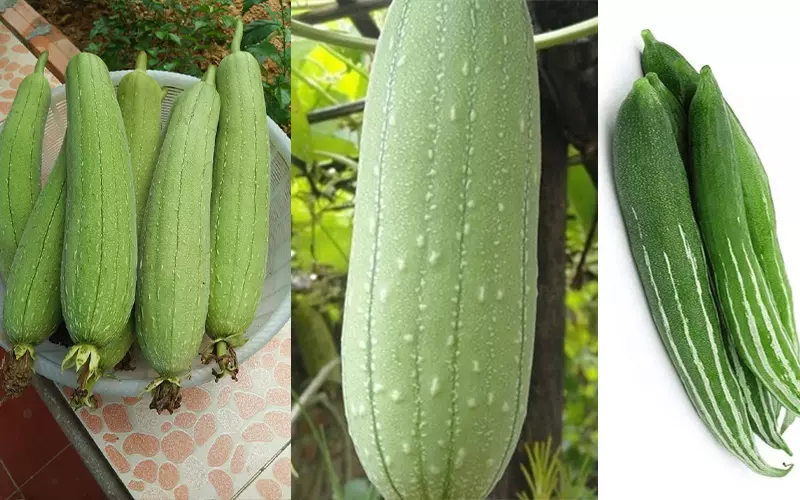
Final Thoughts
Loofah, bottle gourd, and squash are nutritious vegetables that have been enjoyed for centuries in many traditional cuisines. They are rich in vitamins, minerals, and fiber, making them valuable additions to a balanced diet.
However, an important rule should always be remembered: if these vegetables taste unusually bitter, they should not be eaten. The bitterness may indicate the presence of natural toxins that cooking cannot remove.
By recognizing this warning sign and practicing safe food preparation, individuals can enjoy these healthy vegetables while protecting their health and wellbeing.