Honey has been valued for thousands of years for its natural sweetness, nutritional benefits, and medicinal properties. Produced by bees from flower nectar, genuine honey contains a wide range of beneficial compounds such as antioxidants, enzymes, vitamins, and minerals. Because of its popularity and relatively high price, however, honey is sometimes diluted or mixed with artificial ingredients such as sugar syrup or corn syrup.
As a result, many consumers are concerned about whether the honey they buy is truly pure. While laboratory testing is the most reliable way to confirm honey authenticity, there are several simple methods people commonly use at home to help identify whether honey is likely to be genuine or heavily processed.
Below are some easy and widely known techniques that may help distinguish real honey from fake or adulterated honey.
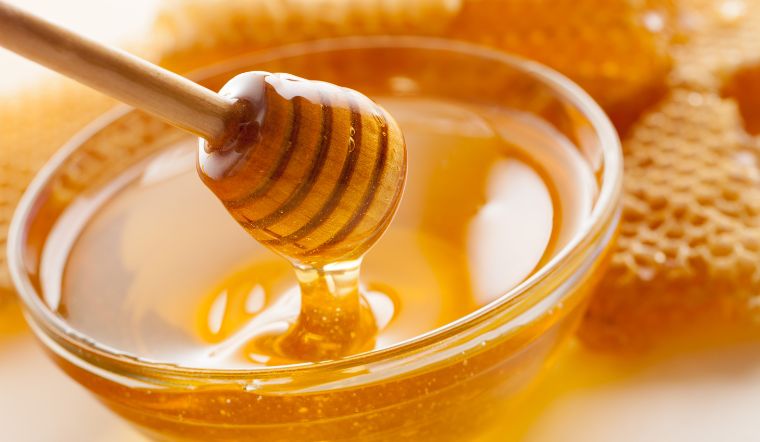
Understanding What Real Honey Looks Like
Before exploring the tests, it is helpful to understand some basic characteristics of genuine honey.
Real honey is usually:
-
Thick and viscous
-
Naturally aromatic
-
Slightly cloudy rather than perfectly clear
-
Prone to crystallization over time
Because honey is a natural product, its color and flavor can vary depending on the flowers visited by the bees. Some honey appears light golden, while others may be darker amber.
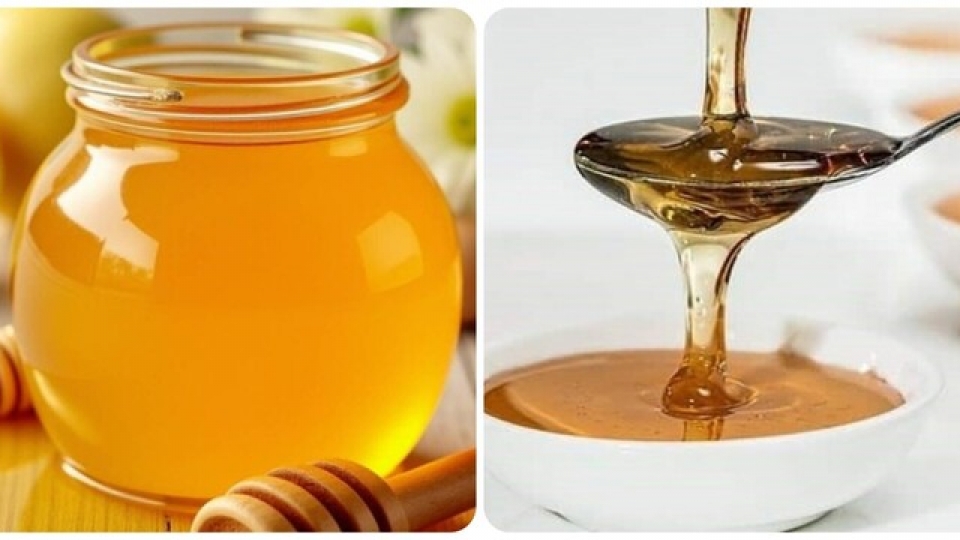
Artificial or diluted honey, on the other hand, may look overly clear and runny because it contains added syrups.
The Water Dissolving Test
One commonly mentioned home method is the water test.
To try this test, place a spoonful of honey into a glass of water without stirring. Genuine honey is dense and tends to settle at the bottom of the glass rather than dissolving immediately.
Fake or diluted honey may dissolve more quickly because it contains added sugar syrups that mix easily with water.
While this test can provide a basic indication, it is not always perfectly reliable because some natural honeys may also dissolve slowly depending on their composition.
The Thumb Test
Another simple method involves placing a small drop of honey on your thumb.
Pure honey usually has a thicker consistency and tends to stay in place on the skin rather than spreading quickly. If the honey spreads rapidly or runs off easily, it may contain added moisture or sugar syrup.
This method is quick and easy but should be considered only a rough indicator rather than a definitive test.
The Flame Test
Some people also perform what is sometimes called the flame test. In this test, a dry cotton wick is dipped into honey and then exposed to a flame.
If the honey is pure and contains very little moisture, the wick may burn briefly. However, if the honey contains significant water or other additives, it may not ignite easily.
It is important to approach this test with caution because it involves fire and may not always produce consistent results.
Observing Crystallization
One interesting feature of real honey is that it may crystallize over time. Crystallization occurs when glucose naturally separates from water and forms small crystals.
This process is completely normal and does not mean the honey has spoiled. In fact, many pure honeys crystallize after several months of storage.
Artificial honey or honey heavily diluted with syrups often remains liquid for very long periods because the added ingredients prevent crystallization.
However, the speed of crystallization can vary depending on the floral source of the honey.
The Paper Absorption Test
Another simple technique involves placing a drop of honey on a piece of paper or paper towel.
Pure honey tends to remain on the surface without being quickly absorbed because it has a thicker texture and lower water content.
If the honey spreads quickly or soaks into the paper, it may contain added water or syrups.
Again, this method provides only a rough indication and should not be considered a scientific test.
Checking the Ingredient Label
One of the most reliable ways to evaluate honey quality is by carefully reading the product label.
High-quality honey products usually list only one ingredient: honey. If the label includes added sugar, corn syrup, glucose, or artificial sweeteners, the product may not be pure honey.
Purchasing honey from trusted producers or local beekeepers may also increase the likelihood of obtaining authentic honey.
The Importance of Reliable Sources
While home tests can offer clues about honey quality, they are not always completely accurate. The most reliable methods for verifying honey purity involve laboratory analysis, which can detect the presence of added sugars and other substances.
For consumers who want the highest confidence in honey quality, buying from reputable suppliers or certified organic producers can be helpful.
Local beekeepers and farmers’ markets are often good sources of minimally processed honey.
Final Thoughts
Honey is a natural food with many valuable qualities, but because it is widely consumed, it is sometimes subject to adulteration. Understanding the basic characteristics of genuine honey and using simple home observations - such as the water test, thumb test, or crystallization patterns can provide useful clues about its authenticity.
However, these methods should be viewed as informal checks rather than definitive proof. The best approach is to purchase honey from reliable sources and choose products with transparent labeling.
By becoming more aware of honey quality and authenticity, consumers can enjoy the natural sweetness and benefits of genuine honey with greater confidence.