For many people who wear glasses, foggy lenses are a common and frustrating problem. Whether it happens when stepping into a warm room from the cold outdoors, wearing a face mask, or drinking a hot beverage, fog forming on glasses can quickly block vision and cause discomfort.
In some situations, foggy lenses can even become dangerous. Reduced visibility while driving, walking down stairs, or working with equipment can increase the risk of accidents. Fortunately, there are several simple tricks that can help prevent glasses from fogging and keep vision clear throughout the day.
Understanding why glasses fog up in the first place can help make these solutions even more effective.
Why Do Glasses Fog Up?
Fog forms on glasses due to a process called condensation. When warm, moist air comes into contact with a cooler surface—such as the lenses of glasses—tiny droplets of water form on the surface.
These droplets scatter light, which creates the cloudy or foggy appearance that makes it difficult to see clearly.
Common situations that cause glasses to fog include:
-
Wearing a face mask
-
Moving from cold weather into a warm room
-
Drinking hot beverages
-
Cooking or standing near steam
-
Exercising or sweating
Because temperature differences are often unavoidable, preventing condensation on lenses becomes the key solution.
Tip 1: Wash Your Lenses With Soapy Water
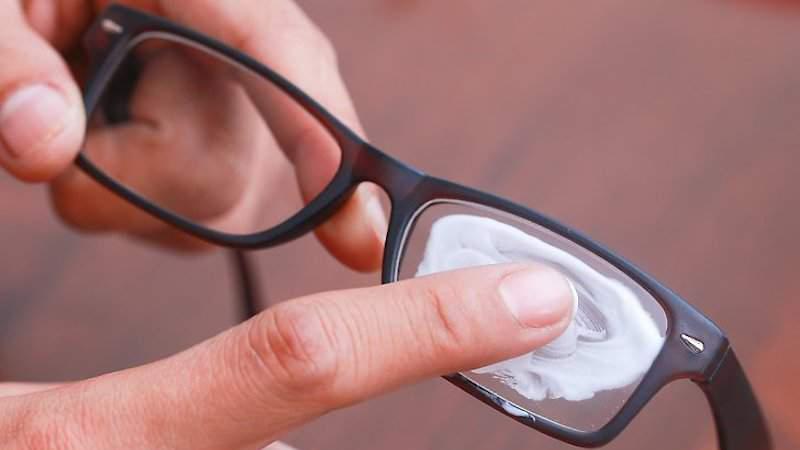
One of the simplest and most effective tricks involves washing glasses with a small amount of dish soap.
When lenses are cleaned with a thin layer of soap and then gently dried, the soap leaves behind an invisible film. This film can reduce the surface tension of water droplets, making it harder for fog to form.
To try this method:
-
Place a drop of mild dish soap on the lenses.
-
Gently rub it across the surface.
-
Rinse lightly or wipe with a soft cloth.
-
Allow the lenses to air dry or dry gently.
This trick is widely used because it is simple, inexpensive, and effective for many people.
Tip 2: Adjust the Fit of Your Face Mask
Face masks often cause glasses to fog because warm breath escapes upward toward the lenses.
Improving the fit of the mask can help redirect air away from glasses.
Some helpful adjustments include:
-
Ensuring the mask fits snugly across the nose
-
Using masks with a built-in nose wire
-
Tucking the top edge of the mask under the glasses
-
Using medical tape to seal the top edge of the mask
These small adjustments help reduce the amount of warm air reaching the lenses.

Tip 3: Use Anti-Fog Sprays or Wipes
Anti-fog sprays and wipes are specifically designed to prevent condensation on lenses. These products leave a thin protective coating on the surface of the glasses.
The coating helps prevent water droplets from forming into fog.
Many anti-fog products are commonly used by people who wear:
-
Safety goggles
-
Sports glasses
-
Swimming goggles
-
Motorcycle helmets
Applying these products according to the instructions can provide several hours of fog resistance.
Tip 4: Improve Air Circulation
Fogging often occurs when warm air becomes trapped around the face. Improving airflow can reduce condensation.
Simple strategies include:
-
Slightly lowering the glasses on the nose to allow airflow
-
Choosing frames that sit farther from the face
-
Avoiding tightly sealed areas around the lenses
Better ventilation allows warm air to escape before it condenses on the lenses.
Tip 5: Use Proper Cleaning Cloths
Keeping lenses clean can also help reduce fog buildup.
Smudges, oils, and dirt on lenses can attract moisture, making fog more noticeable. Using a microfiber cleaning cloth helps maintain a smooth lens surface.
Regular cleaning improves both clarity and comfort when wearing glasses.
Tip 6: Choose Anti-Fog Lens Coatings
Some eyeglasses come with special anti-fog coatings applied during manufacturing. These coatings help prevent condensation by altering how moisture interacts with the lens surface.
Although these lenses may cost slightly more, they can be especially helpful for people who frequently encounter foggy conditions, such as those working in healthcare, kitchens, or cold environments.
Situations Where Clear Vision Is Especially Important
Foggy glasses are not just annoying—they can create safety risks in certain situations.
Clear vision is particularly important when:
-
Driving vehicles
-
Operating machinery
-
Walking on stairs or uneven surfaces
-
Participating in sports
-
Working in professional environments
Preventing fog helps maintain safe and reliable vision in daily activities.

Final Thoughts
Foggy glasses are a common problem caused by condensation when warm, moist air meets cooler lenses. While this issue can be frustrating, there are many simple ways to reduce or prevent fogging.
Techniques such as washing lenses with soapy water, adjusting mask fit, using anti-fog sprays, improving airflow, and keeping lenses clean can significantly improve visibility.
With a few small adjustments, it is possible to keep glasses clear and comfortable, allowing people to go about their daily routines without the inconvenience of fogged-up lenses. Clear vision not only improves comfort but also helps maintain safety in everyday life.