Ginger is one of the most popular and widely used spices in the world. Known for its warm flavor and distinctive aroma, ginger is commonly used in cooking, beverages, and traditional remedies. The good news is that ginger is surprisingly easy to grow at home, even if you do not have a large garden.
With a little patience and the right conditions, you can grow fresh ginger right in your backyard, balcony, or even indoors. Growing ginger at home not only provides a steady supply of this flavorful root but also offers the satisfaction of harvesting something you grew yourself.
Below is a simple guide to help you successfully grow ginger in your own home garden.
Understanding How Ginger Grows
Ginger grows from a root-like structure called a rhizome. This rhizome spreads underground and produces shoots that grow upward into leafy stems. Unlike many plants that grow from seeds, ginger develops from pieces of the rhizome.
When planted in warm, moist soil, these rhizomes begin to sprout and gradually expand beneath the surface. Over time, new rhizomes form, which can later be harvested and used in cooking or replanted to grow more ginger.
Because ginger thrives in warm environments, it grows especially well in tropical and subtropical climates. However, with proper care, it can also be grown in cooler regions using containers or indoor spaces.
Choosing the Right Ginger Root
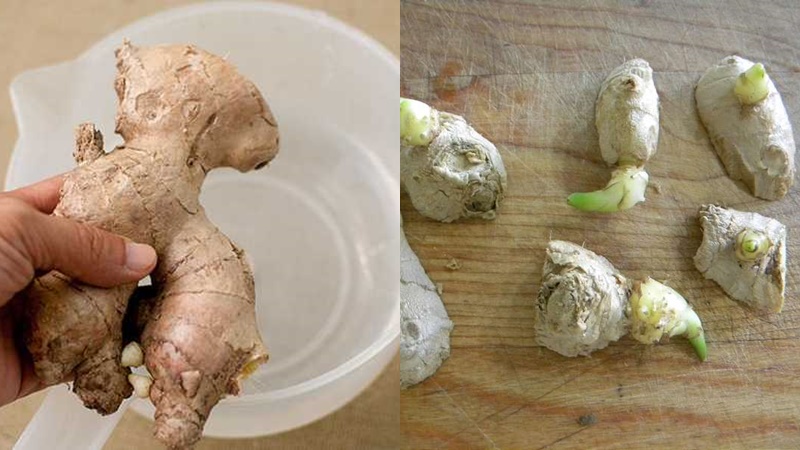
The first step in growing ginger is selecting a healthy rhizome.
When choosing ginger from a market or grocery store, look for pieces that are:
-
Firm and plump
-
Free from mold or wrinkles
-
Showing small buds or “eyes”
These buds are where new shoots will grow. Larger pieces of ginger with multiple buds can often be cut into smaller sections, allowing you to plant several pieces instead of just one.
Before planting, some gardeners soak the ginger pieces in water overnight. This can help wake up the buds and encourage faster sprouting.
Preparing the Soil
Ginger grows best in loose, rich, and well-draining soil. The soil should be able to hold moisture without becoming waterlogged.
To prepare the planting area:
-
Mix garden soil with compost or organic matter
-
Ensure the soil is soft and easy for roots to spread
-
Avoid heavy clay soil that traps too much water
Healthy soil provides the nutrients needed for the rhizomes to develop properly.
Planting Ginger
Planting ginger is a simple process.
-
Choose a container or garden bed with good drainage.
-
Place the ginger rhizome about 2–5 centimeters below the soil surface.
-
Position the buds facing upward.
-
Cover lightly with soil and water gently.
Ginger does not require deep planting because it grows horizontally just below the soil surface.
If planting in containers, choose a wide pot rather than a deep one, since ginger spreads outward.
Providing the Right Growing Conditions
Ginger prefers warm temperatures, partial shade, and consistent moisture.
Key growing conditions include:
Warm Temperature
Ginger grows best in temperatures between 20°C and 30°C. If you live in a cooler climate, growing ginger indoors or during warmer months can help ensure successful growth.
Indirect Sunlight
Unlike some plants that require full sun, ginger prefers filtered or indirect light. Too much direct sunlight can dry the soil and damage the leaves.
Placing the plant in partial shade often works best.
Regular Watering
Ginger likes moist soil, but it should never sit in standing water. Water the plant regularly while allowing excess water to drain away.
Maintaining balanced moisture encourages steady growth.
Caring for the Plant
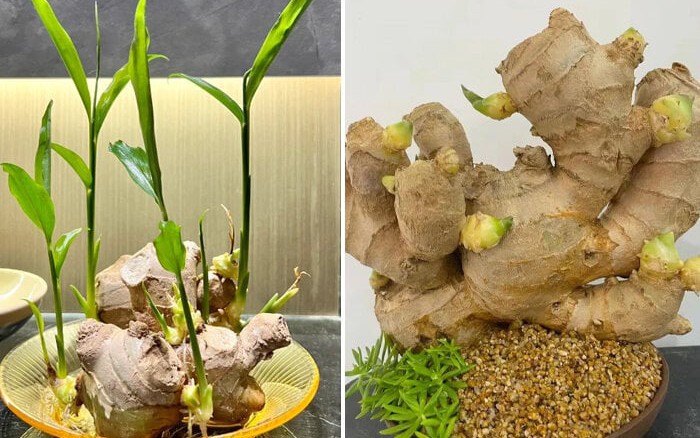
As ginger grows, leafy green stems will appear above the soil. These stems may grow up to one meter tall in favorable conditions.
To support healthy growth:
-
Keep the soil consistently moist
-
Remove weeds if growing in a garden bed
-
Add compost occasionally to provide nutrients
-
Ensure good drainage to prevent root rot
Patience is important, as ginger grows slowly compared to many other plants.
When to Harvest Ginger
Ginger usually takes about 8 to 10 months to fully mature. However, young ginger can be harvested earlier if desired.
Signs that ginger is ready to harvest include:
-
Yellowing leaves
-
Slowing plant growth
-
Mature stems beginning to dry
To harvest, gently dig around the base of the plant and remove the rhizomes from the soil. Some gardeners choose to harvest only part of the rhizome and leave the rest in the soil to continue growing.
Growing Ginger Indoors
For people without outdoor space, ginger can also be grown indoors.
Simply place the container in a location that receives indirect sunlight, such as near a bright window. Maintaining warmth and regular watering helps the plant grow well indoors.
Indoor gardening allows fresh ginger to be available year-round in some climates.
Benefits of Growing Ginger at Home
Growing ginger at home offers several advantages.
Fresh ginger from the garden is often more aromatic and flavorful than store-bought varieties. Home gardening also ensures that the ginger is grown without unwanted chemicals.
In addition, tending to plants can be relaxing and rewarding. Many gardeners find that growing their own herbs and vegetables encourages healthier cooking habits and a stronger connection with food.

Final Thoughts
Ginger is a versatile and valuable plant that can easily be grown at home with minimal equipment. By selecting healthy rhizomes, preparing nutrient-rich soil, and providing the right growing conditions, anyone can cultivate fresh ginger in a garden or container.
Although ginger requires patience as it develops underground, the reward of harvesting your own homegrown spice makes the process worthwhile.
With a little care and attention, growing ginger at home can become a simple and enjoyable way to bring fresh flavor and natural ingredients into everyday cooking.