Cancer remains one of the leading health concerns worldwide. While no single food can prevent or cure cancer, scientific research has shown that diet plays an important role in supporting the body’s natural defense systems. A balanced diet rich in plant-based foods, antioxidants, vitamins, and minerals may help protect cells from damage and support overall health.
Many natural foods contain powerful compounds that may help reduce inflammation, strengthen the immune system, and protect cells from oxidative stress. These protective effects may contribute to lowering the risk of certain types of cancer over time.
Below are ten healthy foods that may help support the body’s natural protection against cancer when included as part of a balanced and healthy lifestyle.
1. Broccoli and Other Cruciferous Vegetables
Cruciferous vegetables such as broccoli, cauliflower, Brussels sprouts, and kale are known for their high nutritional value. These vegetables contain compounds called glucosinolates, which can be converted into substances that may help protect cells from damage.
Broccoli is particularly rich in sulforaphane, a plant compound that has been studied for its potential role in supporting the body’s detoxification processes and protecting cells.
Adding cruciferous vegetables regularly to meals may contribute to better long-term health.
2. Berries
Berries such as blueberries, strawberries, raspberries, and blackberries are packed with antioxidants. These antioxidants help neutralize harmful molecules known as free radicals, which can damage cells and contribute to chronic diseases.
Berries also contain compounds like anthocyanins, which give them their deep color and may support cellular health. Including berries in smoothies, yogurt, or breakfast bowls is an easy way to increase antioxidant intake.
3. Garlic
Garlic has been valued in traditional medicine for centuries due to its medicinal properties. It contains sulfur-containing compounds such as allicin, which may support immune function and help reduce inflammation.
Some studies suggest that regular garlic consumption may be associated with a reduced risk of certain cancers, particularly those affecting the digestive system.
Adding fresh garlic to cooking not only enhances flavor but may also provide health benefits.
4. Tomatoes
Tomatoes are an excellent source of lycopene, a powerful antioxidant responsible for their bright red color. Lycopene has been widely studied for its potential role in protecting cells from oxidative damage.
Cooking tomatoes can actually increase the availability of lycopene, making tomato-based sauces and soups beneficial additions to a balanced diet.
5. Green Tea
Green tea contains natural compounds called catechins, particularly epigallocatechin gallate (EGCG). These compounds are known for their antioxidant and anti-inflammatory properties.
Drinking green tea regularly may help support cellular health and protect against oxidative stress. Many people enjoy green tea as a calming beverage that also supports overall wellness.
6. Leafy Green Vegetables
Leafy greens such as spinach, kale, and Swiss chard are rich in vitamins, minerals, and plant compounds that support health. They provide nutrients such as:
-
Vitamin C
-
Vitamin K
-
Folate
-
Fiber
These nutrients play important roles in maintaining healthy cells and supporting the immune system.
Eating a variety of leafy greens helps ensure the body receives a wide range of protective nutrients.
7. Nuts and Seeds
Nuts and seeds are excellent sources of healthy fats, fiber, and important minerals such as selenium and magnesium. Certain nuts, such as Brazil nuts, contain high levels of selenium, a mineral involved in antioxidant defense.
Walnuts, almonds, flaxseeds, and chia seeds also provide beneficial plant compounds that support heart health and reduce inflammation.
Consuming nuts in moderation can be part of a nutritious and protective diet.
8. Turmeric
Turmeric is a bright yellow spice commonly used in Asian cuisine. Its main active compound, curcumin, has been widely studied for its anti-inflammatory and antioxidant properties.
Curcumin may help regulate certain cellular processes related to inflammation and oxidative stress. When combined with black pepper, the absorption of curcumin in the body increases.
Turmeric can be added to soups, curries, rice dishes, or warm beverages.
9. Whole Grains
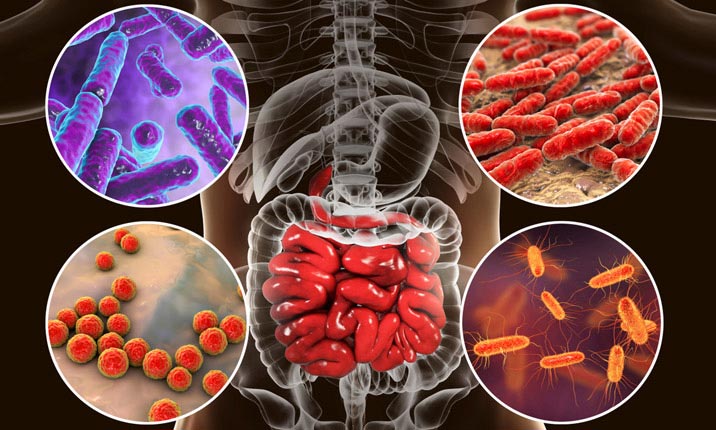
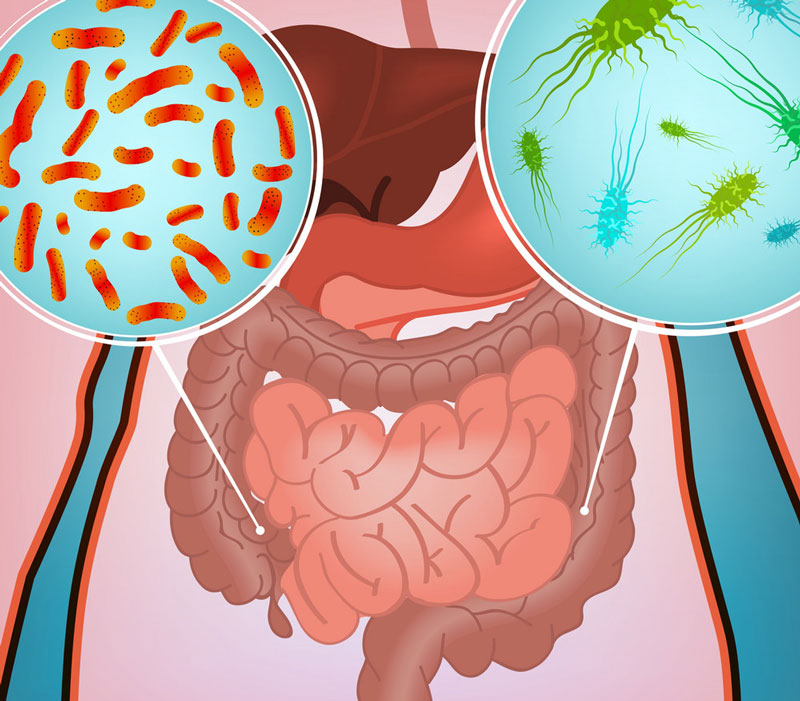
Whole grains such as oats, brown rice, quinoa, and whole wheat contain fiber, vitamins, and plant-based nutrients. Dietary fiber supports digestive health and helps maintain a healthy gut microbiome.
A healthy digestive system plays an important role in maintaining overall health and may help reduce the risk of certain digestive system diseases.
Replacing refined grains with whole grains is a simple step toward a healthier diet.
10. Citrus Fruits
Citrus fruits such as oranges, lemons, grapefruits, and limes are rich in vitamin C and flavonoids. Vitamin C supports immune function and helps protect cells from oxidative damage.
Citrus fruits also contain plant compounds that may support detoxification processes in the body.
Including citrus fruits in daily meals can provide refreshing flavor while supporting overall health.
The Importance of a Balanced Lifestyle
Although these foods contain beneficial nutrients, it is important to remember that no single food can prevent cancer on its own. Cancer prevention involves a combination of healthy habits, including:
-
Eating a balanced and varied diet
-
Maintaining a healthy body weight
-
Exercising regularly
-
Avoiding tobacco
-
Limiting excessive alcohol consumption
-
Getting regular medical checkups
A healthy diet works best when combined with an overall healthy lifestyle.
Conclusion
Nature provides a wide variety of foods rich in vitamins, minerals, antioxidants, and plant compounds that help support the body’s natural defenses. Foods such as broccoli, berries, garlic, tomatoes, green tea, leafy greens, nuts, turmeric, whole grains, and citrus fruits offer valuable nutrients that contribute to overall health.
Including these foods regularly in a balanced diet may help support cellular health, reduce inflammation, and strengthen the body’s natural protective systems. While no diet can guarantee disease prevention, making thoughtful food choices is one of the most powerful steps individuals can take to support long-term health and well-being.