10 Warning Signs Your Kidneys May Be Failing
Your kidneys play a vital role in keeping your body healthy. These two bean-shaped organs filter waste and excess fluids from the blood, regulate blood pressure, balance electrolytes, and help produce hormones that support red blood cell production.
When the kidneys begin to fail, toxins and fluids can build up in the body, causing a range of symptoms. Unfortunately, kidney disease often develops slowly, and many people do not notice the warning signs until the condition becomes more serious.
Health experts recommend paying attention to changes in your body. Here are 10 warning signs that your kidneys may be struggling.
1. Persistent Fatigue and Weakness
One of the earliest signs of kidney problems is constant fatigue. When the kidneys are not working properly, toxins can accumulate in the bloodstream, making you feel tired and weak.
Additionally, kidney disease can lead to anemia, a condition where the body does not produce enough healthy red blood cells.
According to the National Kidney Foundation, fatigue and lack of energy are common symptoms among people with kidney disease.
2. Swelling in the Legs, Ankles, or Feet
Kidneys help remove excess fluid from the body. When they are not functioning well, fluid can accumulate in tissues, causing swelling.
This swelling—known as edema—often appears in the:
-
Legs
-
Ankles
-
Feet
-
Hands
-
Face
Persistent swelling should always be evaluated by a healthcare professional.
3. Changes in Urination
Changes in urination are often one of the clearest signs of kidney problems.
Possible changes include:
-
Urinating more frequently, especially at night
-
Producing less urine than usual
-
Foamy or bubbly urine
-
Blood in the urine
-
Dark or cloudy urine
Experts at the Mayo Clinic say that unusual urine patterns can indicate kidney damage or infection.
4. Shortness of Breath
Kidney failure can cause fluid buildup in the lungs, making it harder to breathe. In addition, anemia related to kidney disease may reduce oxygen delivery throughout the body.
Both factors can lead to persistent shortness of breath, even during light physical activity.
5. Puffy Eyes

Swelling around the eyes can sometimes be an early sign that the kidneys are leaking protein into the urine.
Protein loss may indicate that the kidneys’ filtering units are damaged.
Doctors say persistent puffiness around the eyes should not be ignored, especially if it occurs regularly.
6. Muscle Cramps
Kidney problems can disrupt the balance of electrolytes such as calcium, potassium, and sodium.
These imbalances may lead to:
-
Frequent muscle cramps
-
Muscle weakness
-
Tingling sensations
According to the Cleveland Clinic, electrolyte disturbances are common in people with kidney disease.
7. Dry and Itchy Skin

Healthy kidneys help maintain proper mineral and nutrient balance in the body. When kidney function declines, waste products can accumulate in the bloodstream.
This buildup may lead to dry, irritated, and itchy skin, sometimes severe enough to disrupt sleep.
8. Nausea and Vomiting
As toxins accumulate in the body due to reduced kidney function, digestive symptoms may occur.
Common symptoms include:
-
Nausea
-
Vomiting
-
Loss of appetite
-
Unexplained weight loss
These symptoms are often associated with advanced kidney disease.
9. Trouble Concentrating
Kidney disease can reduce the amount of oxygen reaching the brain due to anemia and toxin buildup.
As a result, some people experience:
-
Difficulty concentrating
-
Memory problems
-
Mental fog
The National Institute of Diabetes and Digestive and Kidney Diseases notes that cognitive problems may occur in people with chronic kidney disease.
10. Persistent High Blood Pressure
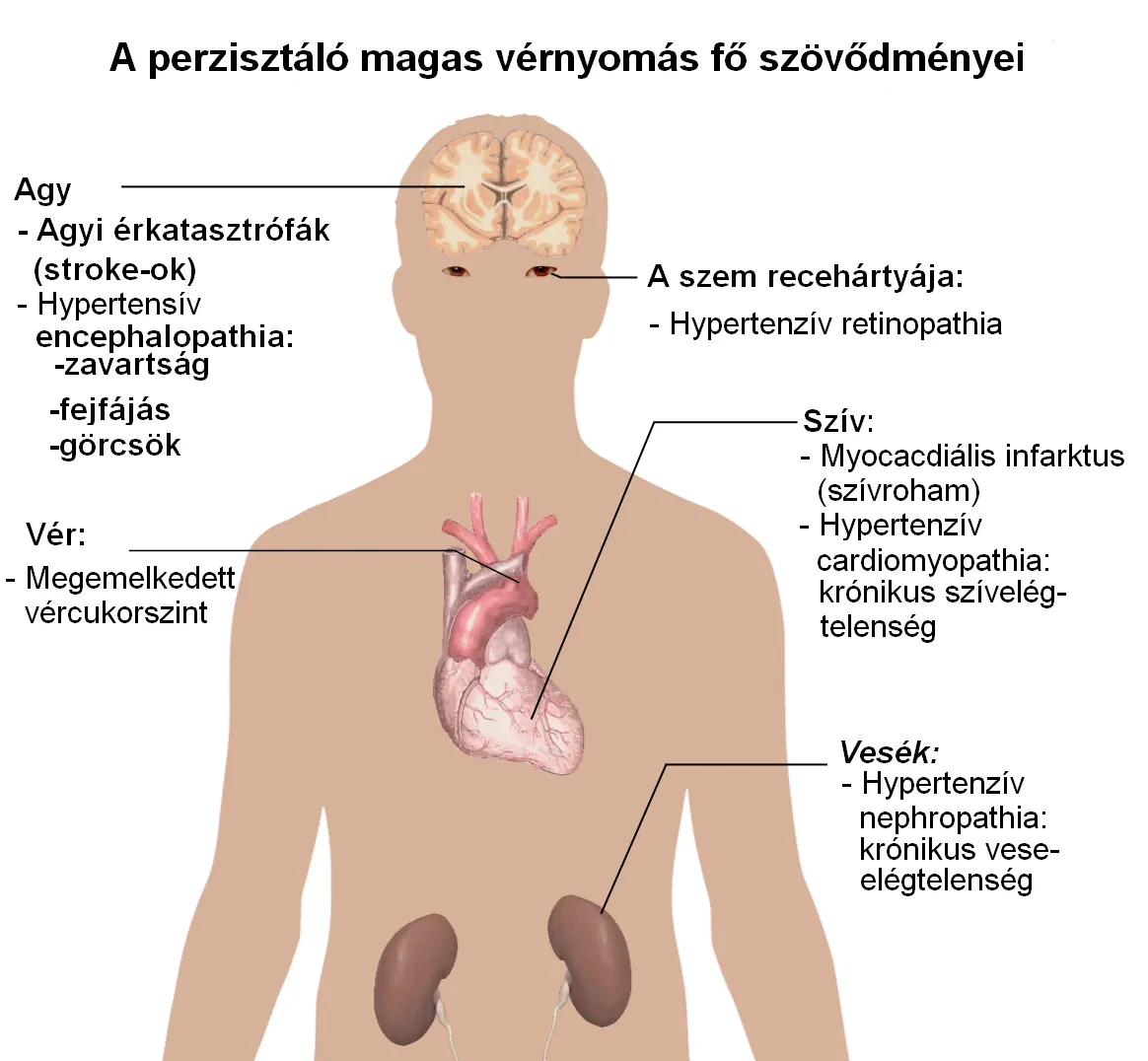
High blood pressure can both cause and result from kidney disease.
When the kidneys are damaged, they may struggle to regulate blood pressure effectively. Over time, uncontrolled hypertension can further worsen kidney damage.
Doctors emphasize that monitoring blood pressure regularly is important for protecting kidney health.
Why Early Detection Matters
Kidney disease often progresses silently, with symptoms appearing only in later stages. Early detection is crucial because treatment can slow or even prevent further damage.
Risk factors for kidney disease include:
-
Diabetes
-
High blood pressure
-
Heart disease
-
Obesity
-
Family history of kidney disease
The World Health Organization recommends regular health checkups for individuals with these risk factors.
The Bottom Line
Your kidneys work around the clock to keep your body balanced and free of toxins. When they begin to fail, your body may send warning signals such as fatigue, swelling, changes in urination, and persistent itching.
While these symptoms do not always mean kidney failure, they should never be ignored.
If you experience several of these signs, consulting a healthcare professional can help detect potential kidney problems early and protect your long-term health.
Sources
-
National Kidney Foundation – Kidney disease symptoms
-
Mayo Clinic – Chronic kidney disease overview
-
Cleveland Clinic – Kidney failure symptoms
-
National Institute of Diabetes and Digestive and Kidney Diseases – Kidney disease information
-
World Health Organization – Chronic disease prevention