8 Foods That Could Be Dangerous If You Eat Too Much
Many fruits and vegetables are considered healthy and are essential parts of a balanced diet. However, even nutritious foods can become harmful when consumed in excessive amounts. Some foods naturally contain toxic compounds that the body can safely process in small quantities—but large amounts may cause serious health problems.
Health experts emphasize that moderation is key. Here are eight common foods that can become dangerous if eaten in very large amounts.
1. Bitter Almonds
Almonds are usually considered a healthy snack, but bitter almonds contain a compound called amygdalin that can release cyanide when digested.
Unlike the sweet almonds commonly sold in stores, bitter almonds can be toxic if eaten raw and in large quantities.
According to the U.S. Food and Drug Administration, consuming foods that produce cyanide can interfere with the body’s ability to use oxygen at the cellular level.
2. Raw Kidney Beans
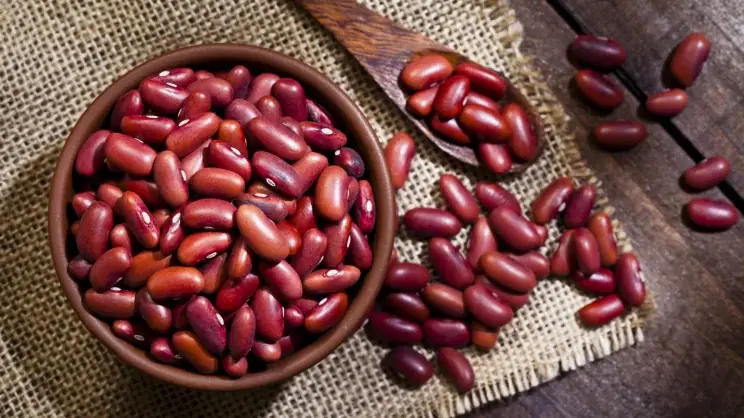
Kidney beans are nutritious and rich in protein and fiber. However, eating them raw or undercooked can cause severe food poisoning.
Raw kidney beans contain phytohaemagglutinin, a natural toxin that can lead to symptoms such as nausea, vomiting, and stomach cramps.
The Food and Drug Administration advises thoroughly cooking kidney beans to destroy the toxin before consumption.
3. Nutmeg
Nutmeg is commonly used in baking and cooking, but consuming large amounts can cause serious side effects.
The spice contains a compound called myristicin, which can produce toxic and psychoactive effects in high doses.
Symptoms of nutmeg toxicity may include:
-
Hallucinations
-
Nausea
-
Rapid heart rate
-
Dizziness
Health experts warn that large doses can lead to serious poisoning.
4. Green Potatoes
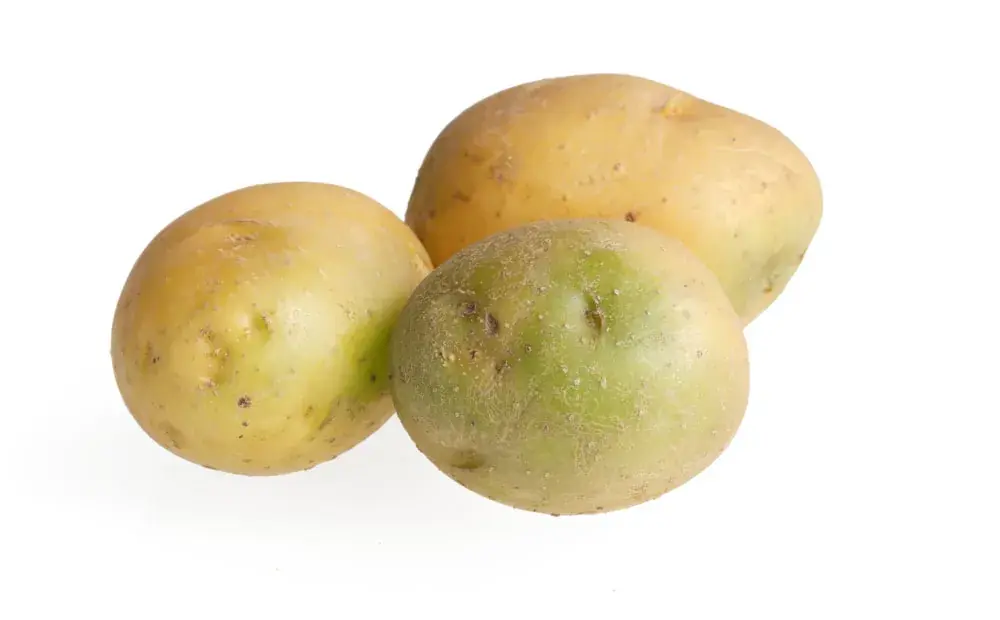
Potatoes are a staple food worldwide, but green or sprouted potatoes may contain high levels of solanine, a natural toxin produced by the plant.
Solanine can cause symptoms such as:
-
Headaches
-
Vomiting
-
Digestive problems
According to the World Health Organization, potatoes that appear green or heavily sprouted should be avoided.
5. Cassava
Cassava is widely consumed in many parts of the world, particularly in Africa and South America. However, raw cassava contains chemicals that can release cyanide if not properly prepared.
Traditional preparation methods—such as soaking, fermenting, and cooking—help remove these toxins and make cassava safe to eat.
The Food and Agriculture Organization emphasizes proper processing to prevent poisoning.
6. Apple Seeds
Apples are extremely healthy, but their seeds contain amygdalin, the same compound found in bitter almonds.
When crushed and digested, amygdalin can release cyanide. However, small amounts are generally harmless because the body can detoxify low doses.
Large quantities of crushed apple seeds could potentially be dangerous.
7. Tuna
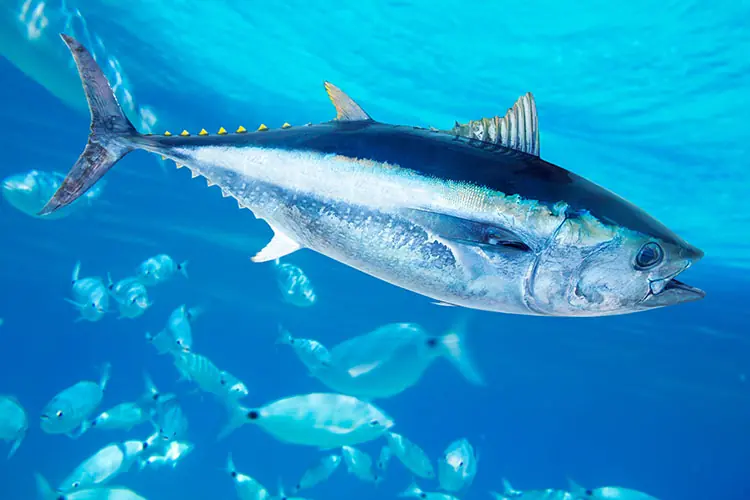
Tuna is a good source of protein and omega-3 fatty acids, but eating too much can expose the body to mercury, a heavy metal that can damage the nervous system.
According to the Environmental Protection Agency, high mercury intake may affect brain and nerve function, particularly in pregnant women and children.
Health authorities recommend limiting consumption of certain large fish species.
8. Rhubarb Leaves
Rhubarb stalks are commonly used in pies and desserts, but the leaves are toxic.
They contain oxalic acid, which can cause kidney problems and other serious symptoms when consumed in large amounts.
The National Institutes of Health notes that rhubarb leaves should never be eaten.
The Importance of Moderation
Most of the foods listed above are safe when eaten in normal amounts and prepared properly. Problems usually occur when foods are consumed in extreme quantities or without proper cooking.
Nutrition experts emphasize that a balanced diet—combined with proper food preparation—is the best way to avoid these risks.
In short, even healthy foods can become harmful if consumed irresponsibly. Understanding the potential risks helps ensure that the foods we eat remain both delicious and safe.
Sources
-
U.S. Food and Drug Administration – Food safety and natural toxins
-
World Health Organization – Natural food toxins
-
Food and Agriculture Organization – Cassava safety guidance
-
Environmental Protection Agency – Mercury in seafood
-
National Institutes of Health – Oxalate toxicity research