Doctor Warns: Little-Known Tongue Signs Could Be Red Flags for Health Issues — Why You Should Check Daily
Most people brush their teeth every day, but few pay attention to their tongue. According to medical experts, the tongue can reveal important clues about your overall health. Subtle changes in color, texture, or coating may signal underlying health problems that should not be ignored.
Doctors say taking a quick look at your tongue each day could help you notice early warning signs before more serious symptoms appear.
Why Your Tongue Reflects Your Health
The tongue is made up of muscles, nerves, and blood vessels, and it is closely connected to many systems in the body. Because of this, changes in the tongue can sometimes indicate infections, nutritional deficiencies, digestive problems, or even chronic diseases.
Health specialists at the Mayo Clinic explain that examining the tongue can provide helpful information about hydration levels, vitamin deficiencies, and certain oral or systemic health conditions.
While many tongue changes are harmless, persistent or unusual symptoms should be evaluated by a healthcare professional.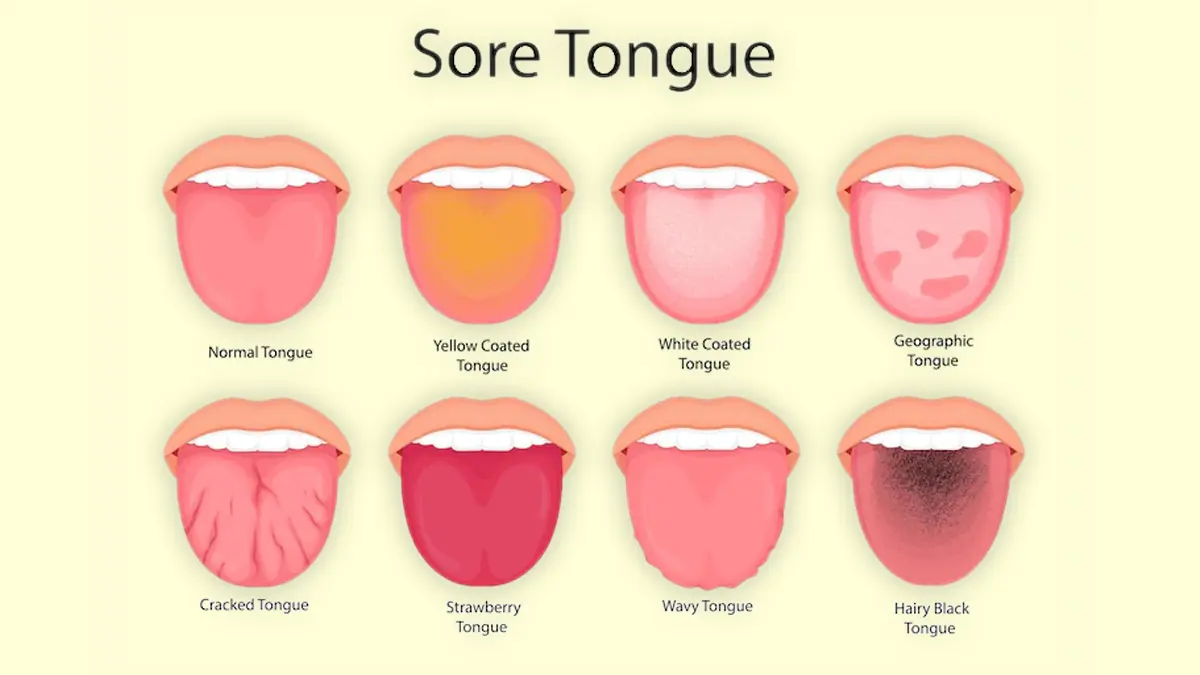
1. A Bright Red Tongue
If your tongue appears unusually bright red or “strawberry-like,” it may be a sign of a vitamin deficiency—particularly vitamin B12 or folic acid.
In some cases, a red tongue can also be associated with infections or inflammatory conditions. Pediatric experts also note that a strawberry tongue can appear in illnesses such as scarlet fever.
According to the National Health Service, a persistently red or swollen tongue should be checked by a doctor, especially if it is accompanied by pain or fever.
2. A Pale or Smooth Tongue

A tongue that looks unusually pale or smooth may indicate iron deficiency anemia, a condition that occurs when the body lacks enough healthy red blood cells.
People with anemia may also experience symptoms such as:
-
Fatigue
-
Weakness
-
Dizziness
-
Shortness of breath
Doctors from the Cleveland Clinic say the tongue can lose its normal texture and appear smooth when the body lacks important nutrients like iron or vitamin B12.
3. A Thick White Coating
A white coating on the tongue can occur for several reasons, including dehydration, poor oral hygiene, or bacterial buildup.
However, a thick white coating may sometimes indicate:
-
Oral thrush (a fungal infection)
-
Leukoplakia (white patches that may require medical evaluation)
The American Dental Association notes that persistent white patches in the mouth should be examined by a dentist or doctor.
4. A Yellow Tongue
A yellowish tongue often develops when bacteria accumulate on the tongue’s surface. This is usually harmless and can occur due to:
-
Smoking
-
Dry mouth
-
Poor oral hygiene
However, in some cases, it may also be linked to digestive issues or certain medications.
Regular brushing of the tongue and staying hydrated can often help improve this condition.
5. Dark or Black “Hairy” Tongue
Although it can look alarming, a condition known as black hairy tongue is usually harmless. It happens when tiny structures on the tongue called papillae grow longer and trap bacteria or food particles.
Risk factors include:
-
Smoking
-
Antibiotic use
-
Poor oral hygiene
-
Excessive coffee or tea consumption
Doctors generally recommend improving oral hygiene and gently brushing the tongue to resolve the problem.
6. Cracks or Deep Grooves
Some people naturally have a fissured tongue, which means the tongue has visible grooves or cracks. In most cases, this is harmless.
However, deep cracks may trap bacteria and food debris, increasing the risk of irritation or infection.
Dentists advise keeping the tongue clean and seeking medical advice if pain or swelling develops.
7. Painful Sores or Lumps
Sores, ulcers, or lumps on the tongue that do not heal within two weeks should be checked by a doctor or dentist.
Possible causes include:
-
Canker sores
-
Viral infections
-
Irritation from sharp teeth or dental appliances
In rare cases, persistent lumps may be associated with oral cancer, which is why early evaluation is important.
According to experts at the World Health Organization, early detection greatly improves treatment outcomes for many oral health conditions.
Why Checking Your Tongue Daily Matters
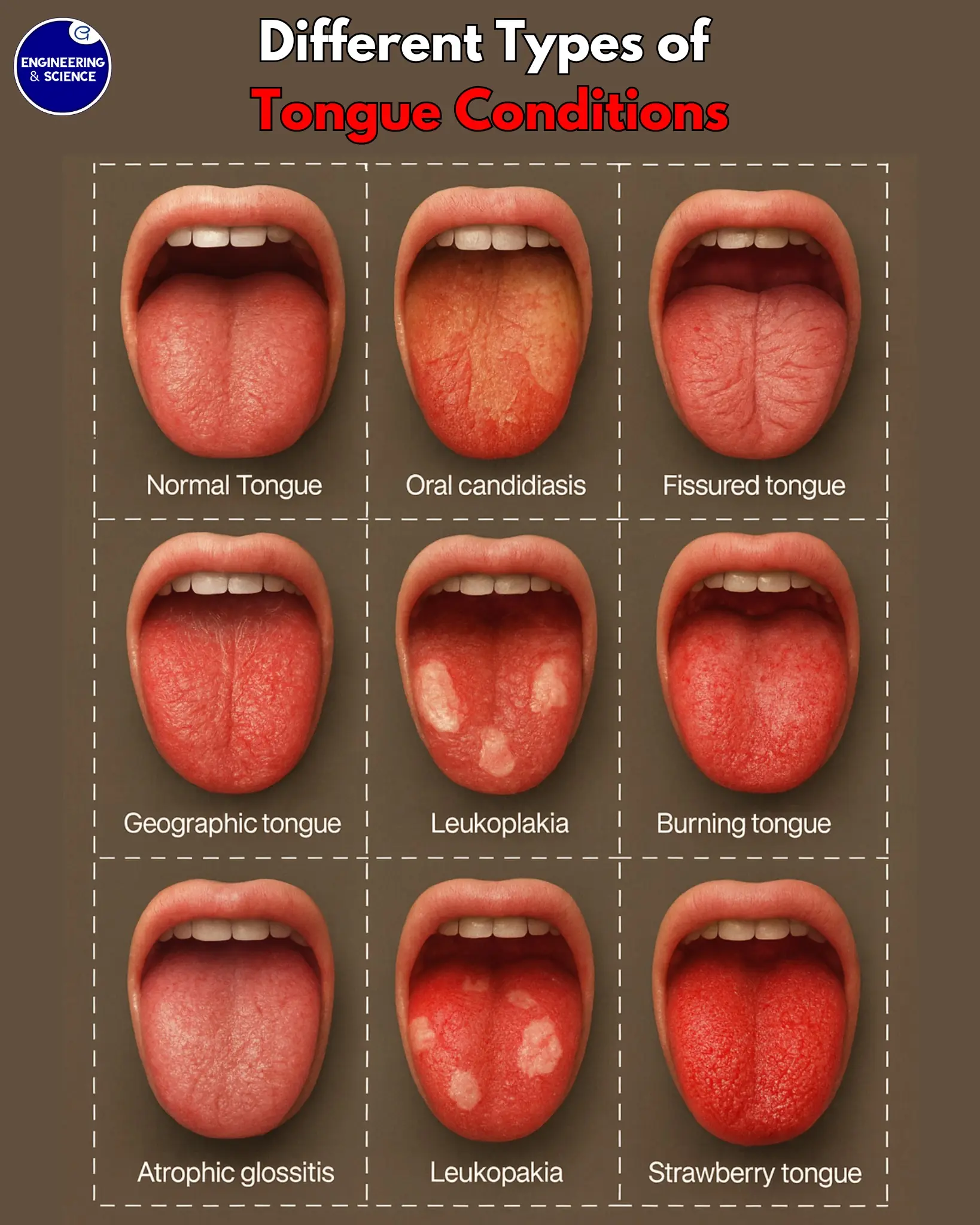
A quick daily check of your tongue can help you notice changes early. Look for:
-
Unusual colors
-
Persistent coatings
-
Painful spots or lumps
-
Sudden changes in texture
While most tongue changes are harmless and temporary, persistent symptoms should always be evaluated by a medical professional.
The Bottom Line
Your tongue can act as a window into your overall health. Small changes in its color, texture, or appearance may sometimes signal nutritional deficiencies, infections, or other health concerns.
Taking just a few seconds each day to check your tongue could help you spot potential warning signs early—and protect your long-term health.
Sources
-
Mayo Clinic – Tongue health and oral symptoms
-
National Health Service – Tongue conditions and symptoms
-
Cleveland Clinic – Tongue problems and nutrient deficiencies
-
American Dental Association – Oral health guidance
-
World Health Organization – Oral health and disease prevention