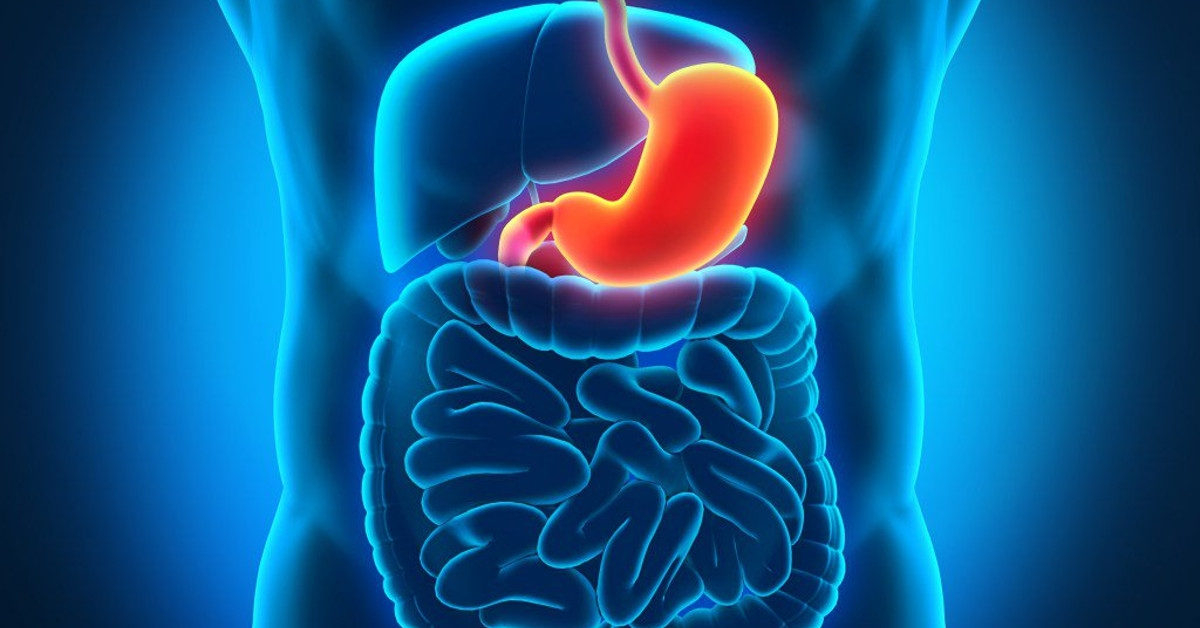
The stomach plays a crucial role in the digestive system. It helps break down food, absorb nutrients, and protect the body from harmful bacteria. When the stomach functions properly, digestion occurs smoothly and the body receives the nutrients it needs to stay healthy.
However, stomach problems are quite common. Conditions such as gastritis, ulcers, acid reflux, and other digestive disorders can affect people of all ages. In many cases, these issues begin with mild symptoms that may seem harmless at first. But if left untreated, stomach problems can gradually become more serious.
Recognizing early warning signs can help prevent complications and allow individuals to seek medical advice before the condition worsens. Below are eight warning signs that may indicate a stomach disease is progressing and requires attention.
1. Persistent Stomach Pain
One of the most noticeable signs of worsening stomach disease is persistent or severe stomach pain.
Occasional stomach discomfort after eating certain foods is common. However, if pain occurs frequently, lasts for long periods, or becomes increasingly intense, it may signal a deeper digestive issue.
Persistent pain may be linked to problems such as inflammation of the stomach lining, ulcers, or other digestive conditions. If the pain becomes severe or continues for several days, medical evaluation is recommended.

2. Frequent Nausea and Vomiting
Another warning sign is regular nausea or vomiting, especially if it occurs without an obvious cause.
While occasional nausea can result from food poisoning or temporary digestive upset, repeated episodes may indicate that the stomach is struggling to process food properly.
In some cases, persistent vomiting may also lead to dehydration and weakness, which can further affect overall health.
3. Loss of Appetite
A sudden or ongoing loss of appetite can sometimes be linked to digestive problems.
People with worsening stomach conditions may feel full quickly or have little interest in eating. This may occur because inflammation or discomfort in the stomach makes eating unpleasant.
When appetite decreases significantly over time, it may lead to nutritional deficiencies and unintended weight loss.
4. Unexplained Weight Loss
Unintentional weight loss is another important symptom that should not be ignored.
If a person begins losing weight without changes in diet or physical activity, it may suggest that the digestive system is not functioning properly. The body may not be absorbing nutrients efficiently, or stomach discomfort may be preventing normal eating habits.
Sudden or unexplained weight loss should always be evaluated by a healthcare professional.
5. Frequent Heartburn or Acid Reflux
Heartburn is a burning sensation that occurs when stomach acid flows back into the esophagus.
Occasional heartburn after eating spicy or fatty foods is fairly common. However, frequent or severe acid reflux may indicate a more serious digestive problem.
Persistent reflux can irritate the lining of the esophagus and lead to complications if left untreated.
6. Bloating and Excessive Gas
Feeling bloated after meals is not unusual, but constant bloating or excessive gas may suggest digestive disturbances.
When the stomach struggles to break down food properly, gas may accumulate in the digestive tract. This can cause discomfort, swelling in the abdomen, and pressure in the stomach area.
Chronic bloating may indicate underlying digestive issues that require attention.
7. Blood in Vomit or Stool
One of the most serious warning signs is the presence of blood in vomit or stool.
Blood may appear bright red or dark and tar-like. This symptom may indicate bleeding somewhere in the digestive tract, possibly due to ulcers, inflammation, or other serious conditions.
If blood is noticed in vomit or stool, immediate medical evaluation is necessary.
8. Extreme Fatigue and Weakness
Digestive problems can sometimes affect overall energy levels. When the body struggles to digest food or absorb nutrients, it may lead to persistent fatigue and weakness.
Chronic digestive discomfort can also disrupt sleep and daily activities, making it difficult for the body to maintain normal energy levels.
If fatigue occurs alongside other digestive symptoms, it may signal that the stomach condition requires medical attention.
Why Early Detection Matters
Stomach diseases often develop gradually. Early symptoms may seem mild and easy to ignore, but they can become more serious over time if the underlying cause is not addressed.
Early diagnosis allows healthcare providers to identify the source of the problem and recommend appropriate treatment. In many cases, lifestyle adjustments, dietary changes, and medical care can help improve digestive health.
Ignoring symptoms for long periods may increase the risk of complications.
Supporting Stomach Health
Maintaining healthy habits can help protect the digestive system and reduce the risk of stomach problems.
Some helpful practices include:
-
Eating balanced meals at regular times
-
Avoiding excessive alcohol consumption
-
Limiting very spicy or greasy foods
-
Managing stress levels
-
Staying physically active
-
Drinking enough water throughout the day
These habits support the digestive process and promote overall health.
Final Thoughts
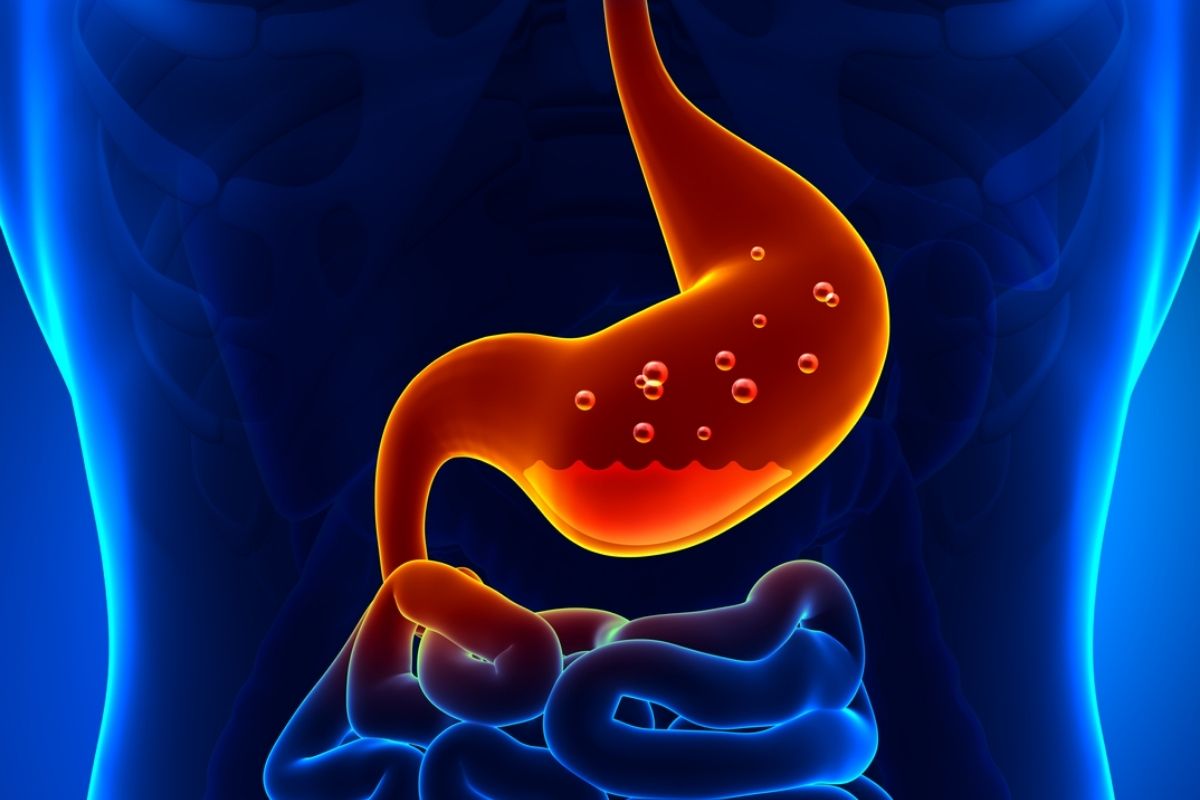
The stomach plays a vital role in keeping the body nourished and functioning properly. When problems develop, the body often sends warning signals that should not be ignored.
Symptoms such as persistent stomach pain, nausea, loss of appetite, unexplained weight loss, frequent reflux, bloating, bleeding, and ongoing fatigue may indicate that a stomach condition is worsening.
Paying attention to these signs and seeking timely medical advice can help prevent complications and protect long-term digestive health. Early awareness and proper care remain the best ways to keep the stomach healthy and functioning effectively.