Coconut oil has become one of the most popular natural oils used around the world. It is valued for its versatility in cooking, skincare, hair care, and various household uses. While coconut oil is widely available in stores, many people are surprised to learn that it can also be made at home using fresh coconuts and simple kitchen tools.
Making coconut oil at home allows you to create a fresh, natural product without additives or preservatives. The process may take some time, but it is straightforward and can be a rewarding experience. With just a few ingredients and basic preparation, anyone can try this traditional method.
Below is a simple guide to making homemade coconut oil.
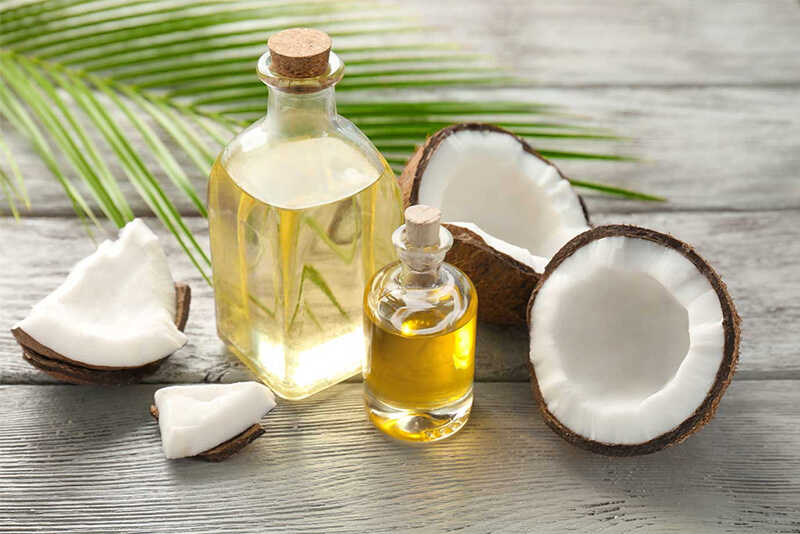
Why Make Coconut Oil at Home?
There are several reasons why some people prefer to prepare coconut oil themselves.
Fresh and Natural
Homemade coconut oil typically contains no artificial ingredients or preservatives, which makes it appealing to people who prefer natural products.
Cost-Effective in Coconut-Rich Areas
In regions where coconuts are widely available, making coconut oil at home can sometimes be more economical than buying processed oil.
Versatility
Homemade coconut oil can be used for:
-
Cooking and baking
-
Skin moisturization
-
Hair care treatments
-
Homemade beauty products
Because of its versatility, coconut oil has been used traditionally in many households for generations.
Ingredients and Tools Needed
Making coconut oil requires only a few basic ingredients and tools.
Ingredients
-
2–3 mature coconuts
-
Clean water
Tools
-
Knife or coconut opener
-
Grater or blender
-
Cheesecloth or fine strainer
-
Bowl or container
-
Pan or pot
These tools are commonly found in most kitchens.
Step 1: Prepare the Coconut
Start by opening the coconuts carefully and collecting the coconut water. The water can be saved for drinking or used in cooking.
Next, remove the white coconut meat from the hard shell. A knife or spoon may help separate the meat from the shell.
Once removed, rinse the coconut meat with clean water to remove any shell fragments.
Step 2: Grate or Blend the Coconut
The coconut meat should be grated or blended to create small pieces. A traditional coconut grater works well, but a blender or food processor can also be used.
If using a blender, add a small amount of warm water to help the blending process.
The goal is to produce finely shredded coconut, which will make it easier to extract coconut milk.
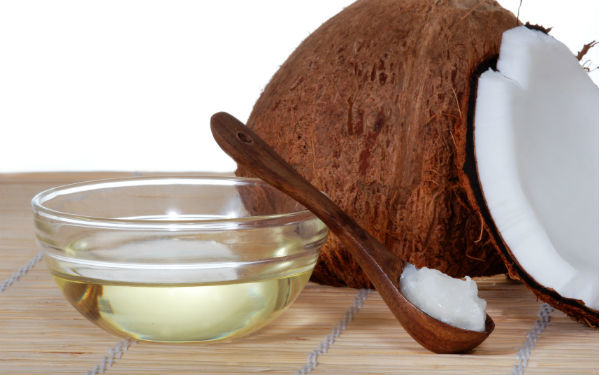
Step 3: Extract Coconut Milk
Place the grated coconut into a bowl and add warm water. Mix the coconut thoroughly using your hands or a spoon.
Next, squeeze the mixture through a cheesecloth or fine strainer to extract coconut milk. The liquid collected is rich coconut milk, which contains natural oils.
You can repeat this process once more with additional water to extract as much milk as possible.
Step 4: Separate the Oil
There are two common methods for separating coconut oil from the milk.
Method 1: Natural Fermentation
Pour the coconut milk into a clean container and let it sit at room temperature for 24–48 hours.
During this time, the mixture will naturally separate into layers. The oil will rise to the top, while water and other solids settle below.
Carefully collect the oil layer once separation occurs.
Method 2: Gentle Heating
Another method involves heating the coconut milk in a pot over low heat.
As the mixture heats, water gradually evaporates and the oil begins to separate from the coconut solids. Continue heating gently until the oil becomes clear and the solids turn brown.
Strain the mixture to separate the oil from the solids.
Step 5: Filter and Store the Oil
Once the oil has separated, strain it through a clean cloth or fine filter to remove any remaining particles.
Pour the filtered oil into a clean glass container and allow it to cool completely.
Store the coconut oil in a sealed container at room temperature. Properly stored coconut oil can last several months.
Uses of Homemade Coconut Oil
Homemade coconut oil can be used in many ways.
Cooking
Coconut oil is commonly used for:
-
Frying
-
Baking
-
Stir-frying
-
Flavoring dishes
Its mild coconut aroma can enhance both sweet and savory recipes.
Skin Care
Coconut oil is often used as a natural moisturizer. Some people apply it to dry skin to help maintain softness.
It is also sometimes used in homemade skincare products such as body scrubs and lip balms.
Hair Care
Many people apply coconut oil to their hair as a conditioning treatment. It may help add shine and improve hair texture.
A small amount can be applied to the scalp or hair ends.
Tips for Best Results
To produce high-quality coconut oil at home, consider these tips:
-
Use fresh, mature coconuts.
-
Keep all tools and containers clean.
-
Avoid overheating the coconut milk.
-
Store the oil in airtight containers.
These steps help maintain the oil’s freshness and quality.
:quality(75)/2024_1_10_638405228869763576_cach-lam-dau-dua-nguyen-chat-tai-nha-voi-nhung-dung-cu-nguyen-lieu-don-gian6.jpg)
Final Thoughts
Making coconut oil at home is a simple and rewarding process that connects modern kitchens with traditional methods. With just fresh coconuts, water, and basic tools, anyone can create natural coconut oil without complicated equipment.
Although store-bought coconut oil is convenient, homemade oil offers a fresh alternative that can be used in cooking, skincare, and daily routines. Learning how to prepare coconut oil at home also helps people appreciate the natural resources behind everyday products.