
Eating bananas before bed has become a global sleep trend — but a new study reveals whether it actually help
Bananas before bed? A new study explores whether this popular sleep habit really works.
Health 16/03/2026 09:36
What Happens to Your Body When You Eat Asparagus Every Day
Asparagus is often praised as a super-healthy vegetable, but many people only eat it occasionally. What would happen if you made it part of your daily diet? Surprisingly, eating asparagus every day can have several powerful effects on your body—from improving digestion to supporting heart health. Let’s explore what really happens when this nutrient-packed vegetable becomes a regular part of your meals.
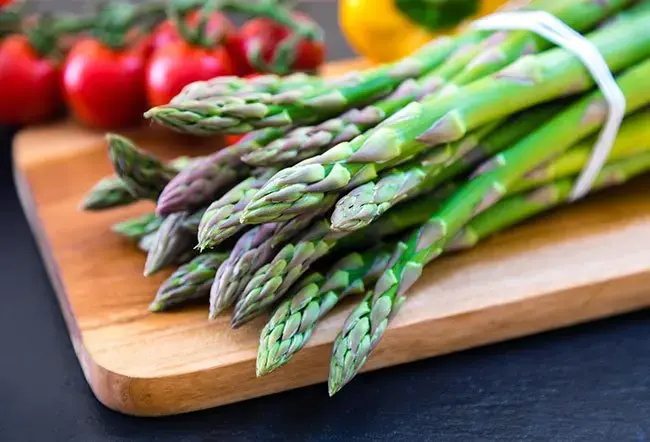
Asparagus is low in calories but incredibly rich in nutrients. A single serving contains vitamins A, C, E, and K, along with important minerals like potassium and iron. It is also one of the best vegetable sources of folate, a vitamin essential for cell growth and DNA formation.
Eating asparagus daily helps your body maintain healthy cells, support immune function, and promote overall wellness. Because it is so nutrient-dense, even small amounts can make a noticeable difference in your daily nutrient intake.
One of the biggest benefits of asparagus is its high fiber content. Fiber plays a crucial role in keeping your digestive system running smoothly. Regular consumption can help prevent constipation and support a healthier gut.
Asparagus also contains a natural prebiotic fiber called inulin. Prebiotics feed the beneficial bacteria in your gut, helping them grow and maintain a balanced microbiome. A healthier gut can improve digestion, boost immunity, and even support mental well-being.

Chronic inflammation is linked to many health problems, including heart disease, diabetes, and certain cancers. Asparagus contains antioxidants such as flavonoids, vitamin C, and vitamin E, which help fight oxidative stress in the body.
When eaten regularly, these antioxidants may help protect your cells from damage and reduce inflammation over time.
Asparagus contains potassium, a mineral that helps regulate blood pressure. Potassium works by balancing sodium levels in the body and relaxing blood vessel walls, which can support healthier blood pressure levels.
Additionally, the fiber and antioxidants in asparagus may contribute to lower cholesterol levels and improved cardiovascular health when included as part of a balanced diet.
If you're trying to maintain or lose weight, asparagus can be a great addition to your diet. It is very low in calories but high in fiber, which helps you feel full for longer.
Foods that are high in fiber often reduce hunger and prevent overeating, making it easier to maintain a healthy calorie balance throughout the day.
One of the most famous—and slightly surprising—effects of eating asparagus is the unusual smell it can cause in urine. This happens because asparagus contains sulfur compounds that break down during digestion.
When your body processes these compounds, they produce chemicals that can give urine a strong odor. Interestingly, not everyone can smell it due to genetic differences in odor detection. While it may be surprising, it is completely harmless.
Asparagus is rich in folate, which plays a role in the production of neurotransmitters such as serotonin and dopamine. These chemicals help regulate mood, memory, and cognitive function.
Some studies suggest that adequate folate intake may help reduce the risk of cognitive decline and support overall brain health as you age.
Asparagus has mild diuretic properties, meaning it can increase urine production. This may help the body flush out excess salt and toxins while supporting kidney health.
Because of this effect, asparagus has traditionally been used in some cultures as a natural way to support the body's detoxification processes.
For most people, eating asparagus every day is safe and beneficial. It is packed with vitamins, fiber, and antioxidants that support many aspects of health. However, balance is always important. Eating a wide variety of vegetables ensures your body receives a broader range of nutrients.
Adding asparagus to salads, stir-fries, omelets, or roasted vegetable dishes is a simple and delicious way to enjoy its health benefits regularly.
Bananas before bed? A new study explores whether this popular sleep habit really works.

The secret to anti-aging: Drinking eight glasses of water a day could extend your life by up to 15 years and significantly reduce the risk of heart attacks, strokes, and dementia, a study suggests
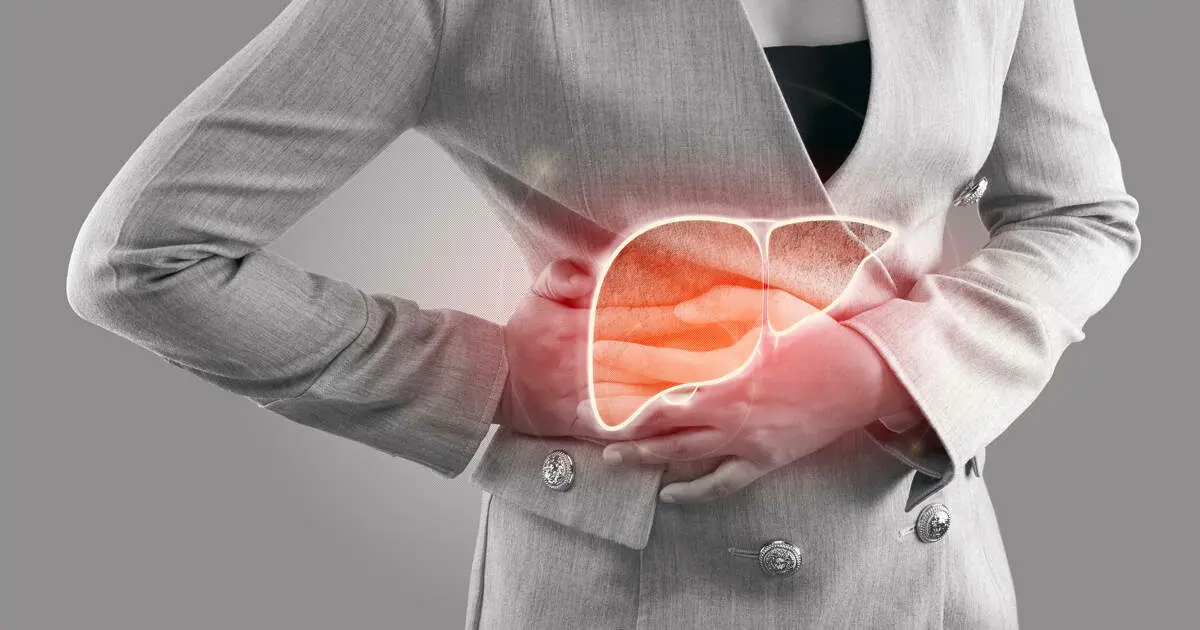
When your liver is struggling, these parts of your body might start sending painful warning signs.

10 body pain locations that doctors say you shouldn’t ignore.
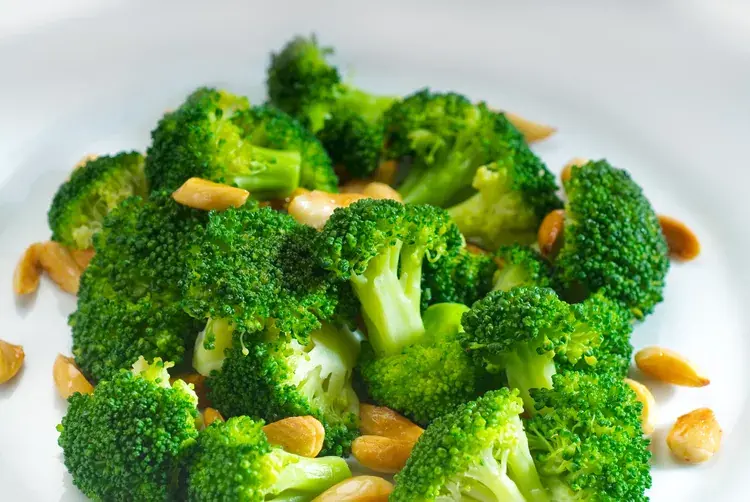
Many people eat these vegetables every day without knowing their benefits.
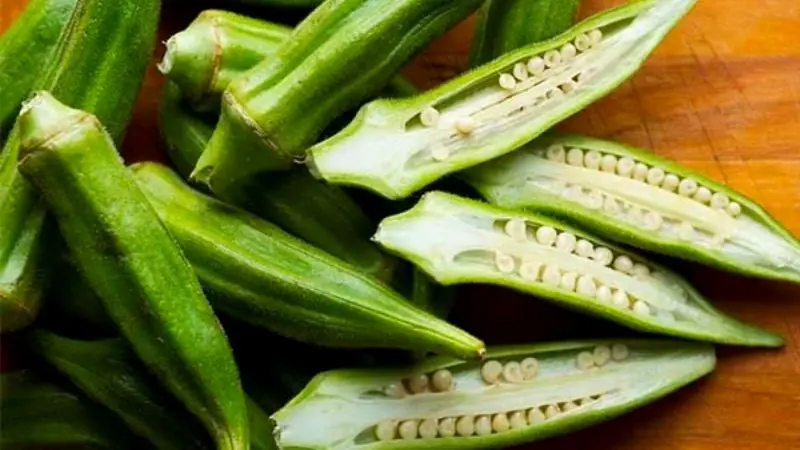
Although Okra Is Healthy, 7 Groups of People Should Limit or Avoid It

8 Signs Your Stomach Problems May Have Reached a Severe Stage

Those Who Wake Up at Night to Urinate vs. Those Who Don’t: The Health Difference Explained

Panax Notoginseng Root: 7 Amazing Benefits Backed by Tradition
8 Symptoms That Could Mean Your Stomach Disease Is Becoming Severe

Over 40? These Lines on Your Nails May Be Telling You Something Important
6 Foods You Should Avoid to Protect Your Kidneys

Recognizing early stroke signs can save lives within minutes.

A young child’s battle with cancer reminds families to stay alert.

Tiny red dots on your skin may reveal important health clues.

Some leftovers can become unsafe when reheated—especially rice.
Coconut Water and Your Kidneys: What Really Happens Inside Your Body
How Many Eggs a Week Is Right for You?

That Habit of Sleeping With One Leg Out of the Covers May Reveal Something
Bananas before bed? A new study explores whether this popular sleep habit really works.
The secret to anti-aging: Drinking eight glasses of water a day could extend your life by up to 15 years and significantly reduce the risk of heart attacks, strokes, and dementia, a study suggests
When your liver is struggling, these parts of your body might start sending painful warning signs.
10 body pain locations that doctors say you shouldn’t ignore.

Remove stubborn pan stains without using detergent.
Many people eat these vegetables every day without knowing their benefits.
Although Okra Is Healthy, 7 Groups of People Should Limit or Avoid It
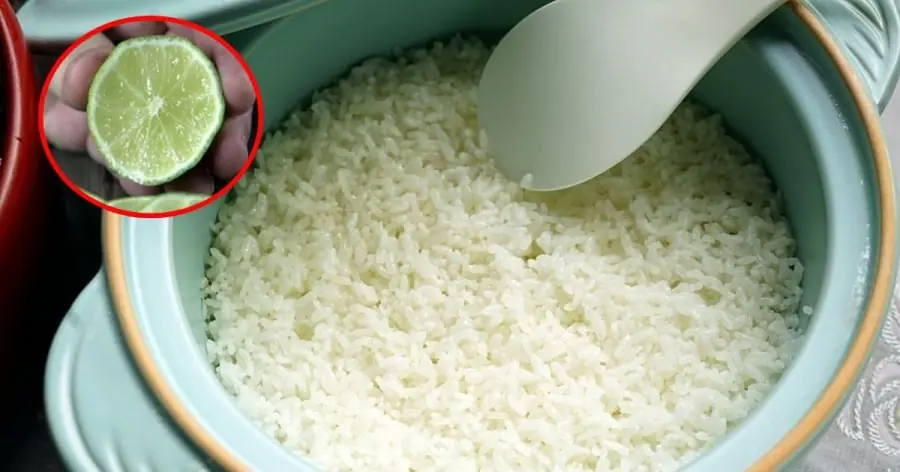
A Little Lime in the Rice Cooker? This Clever Tip Might Surprise You
8 Signs Your Stomach Problems May Have Reached a Severe Stage
Those Who Wake Up at Night to Urinate vs. Those Who Don’t: The Health Difference Explained
Panax Notoginseng Root: 7 Amazing Benefits Backed by Tradition
8 Symptoms That Could Mean Your Stomach Disease Is Becoming Severe
Over 40? These Lines on Your Nails May Be Telling You Something Important
6 Foods You Should Avoid to Protect Your Kidneys
Recognizing early stroke signs can save lives within minutes.
A young child’s battle with cancer reminds families to stay alert.
Tiny red dots on your skin may reveal important health clues.

Rice water may offer surprising uses for hair, plants, and home care.
Some leftovers can become unsafe when reheated—especially rice.