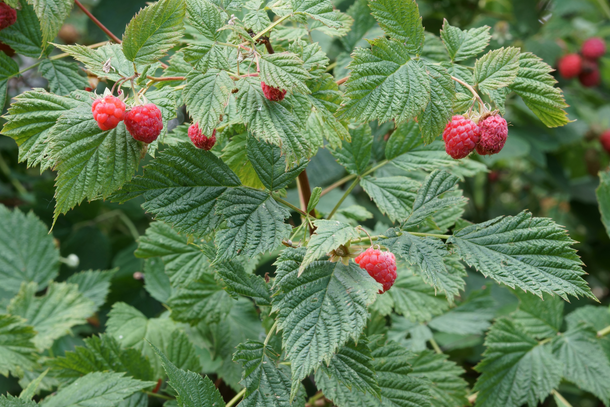
When people think of raspberries, they usually imagine the small, sweet, red berries that are often used in desserts, smoothies, and jams. However, while the fruit itself is widely appreciated for its flavor and nutritional value, the leaves of the raspberry plant are often overlooked. For centuries, raspberry leaves have been used in traditional herbal medicine for their potential health benefits.
Raspberry leaves, especially from the red raspberry plant (Rubus idaeus), contain a variety of vitamins, minerals, and plant compounds that may support overall health. Herbalists around the world have long valued these leaves for their soothing, strengthening, and nourishing properties. Today, modern research is beginning to explore the science behind these traditional uses.
What Are Raspberry Leaves?
Raspberry leaves come from the raspberry plant, which belongs to the rose family. The leaves are typically harvested during the growing season, then dried and used to prepare herbal teas, extracts, or supplements.
These leaves are rich in nutrients and bioactive compounds, including:
-
Vitamin C
-
Vitamin E
-
Calcium
-
Magnesium
-
Potassium
-
Iron
-
Antioxidants
-
Tannins and flavonoids
Because of these nutrients, raspberry leaves have been used traditionally to support digestive health, reproductive health, and overall well-being.
Rich in Antioxidants
One of the most important qualities of raspberry leaves is their high antioxidant content. Antioxidants are substances that help protect the body from damage caused by free radicals.
Free radicals are unstable molecules that can damage cells and contribute to aging and chronic diseases such as heart disease, diabetes, and certain cancers.
The flavonoids and polyphenols found in raspberry leaves help neutralize these harmful molecules. By reducing oxidative stress, these antioxidants may help support long-term health and protect cells from damage.
Support for Women’s Health
Perhaps the most well-known traditional use of raspberry leaves is in supporting women’s reproductive health. For centuries, raspberry leaf tea has been used as a natural remedy to support the female reproductive system.
Some herbal traditions suggest that raspberry leaves may help:
-
Support uterine health
-
Ease menstrual discomfort
-
Promote hormonal balance
-
Prepare the body during pregnancy
Raspberry leaves contain a compound known as fragarine, which may help tone and strengthen the muscles of the uterus. Because of this, raspberry leaf tea has sometimes been recommended during the later stages of pregnancy, although pregnant individuals should always consult a healthcare professional before using herbal remedies.
Digestive Health Benefits
Raspberry leaves contain tannins, which have mild astringent properties. These compounds may help soothe the digestive tract and support healthy digestion.
Traditionally, raspberry leaf tea has been used to relieve minor digestive issues such as:
-
Mild diarrhea
-
Stomach irritation
-
Digestive discomfort
The soothing nature of the tea may help calm the digestive system and support intestinal balance.

Anti-Inflammatory Properties
Chronic inflammation is linked to many health problems, including heart disease, arthritis, and metabolic disorders. Raspberry leaves contain natural compounds that may help reduce inflammation in the body.
Flavonoids and other plant compounds found in raspberry leaves may help regulate inflammatory responses and support immune function.
By reducing inflammation, raspberry leaves may contribute to improved overall health and help protect the body from certain chronic conditions.
Potential Benefits for Heart Health
The nutrients found in raspberry leaves may also support cardiovascular health. Minerals such as potassium and magnesium play important roles in maintaining healthy blood pressure and proper heart function.
Additionally, antioxidants help protect blood vessels from oxidative damage, which may reduce the risk of cardiovascular problems over time.
Although raspberry leaves should not replace medical treatments, incorporating herbal teas made from these leaves may support a heart-healthy lifestyle.
Immune System Support
Raspberry leaves contain vitamin C and other antioxidants that help support the immune system. Vitamin C plays an important role in helping the body defend itself against infections.
Regular consumption of herbal teas containing raspberry leaves may help strengthen the immune response and support the body’s natural defense mechanisms.
Skin Health and Natural Healing
Another interesting benefit of raspberry leaves is their potential use in skin care. Because of their antioxidant and anti-inflammatory properties, raspberry leaf extracts have been used in natural skincare products.
These properties may help:
-
Calm irritated skin
-
Support wound healing
-
Reduce redness and inflammation
In traditional medicine, raspberry leaf preparations were sometimes applied externally to soothe minor skin conditions.
How Raspberry Leaves Are Commonly Used
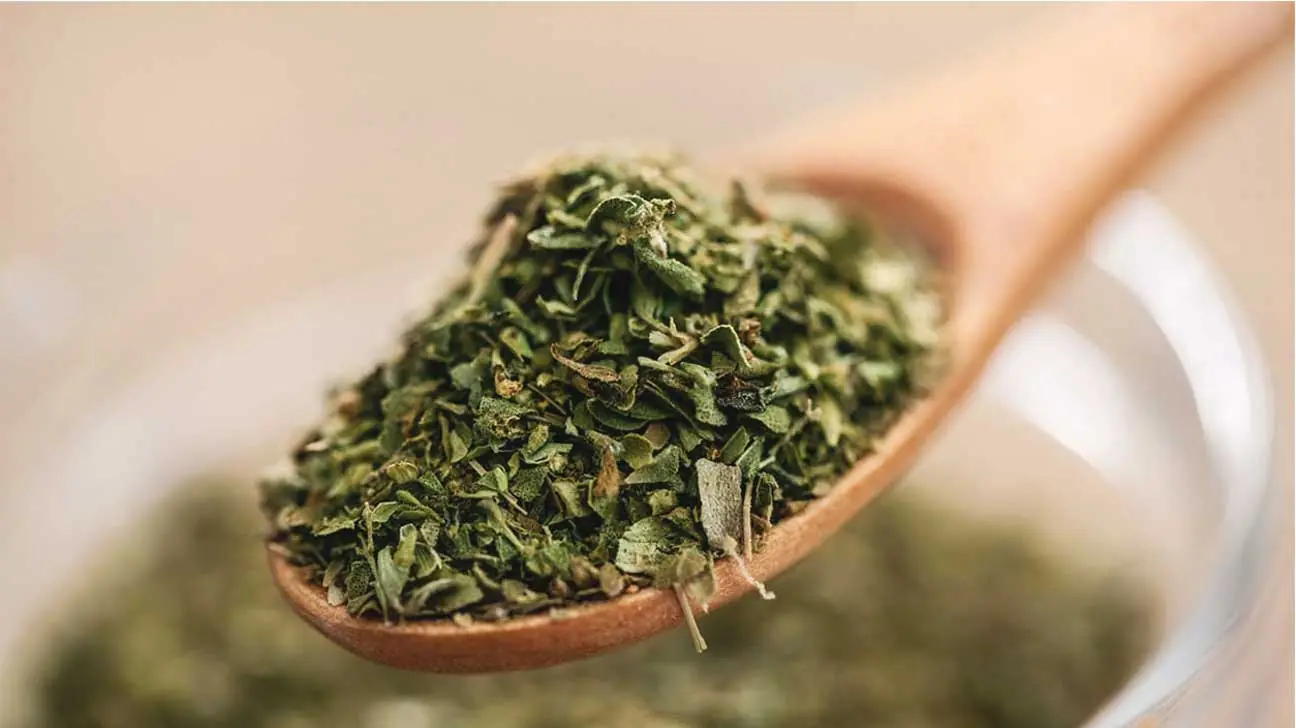
The most common way to consume raspberry leaves is in the form of raspberry leaf tea. This herbal tea is made by steeping dried raspberry leaves in hot water for several minutes.
The tea has a mild, earthy flavor that many people find pleasant and soothing.
Other forms of raspberry leaf products include:
-
Herbal capsules or supplements
-
Liquid extracts or tinctures
-
Ingredients in herbal blends
When choosing herbal products, it is important to select high-quality sources to ensure safety and effectiveness.

Safety and Considerations
While raspberry leaves are generally considered safe for most people when consumed in moderate amounts, it is important to use them responsibly.
Pregnant individuals should consult a healthcare provider before drinking raspberry leaf tea, particularly during the early stages of pregnancy.
Additionally, people with certain medical conditions or those taking medications should seek professional advice before using herbal remedies regularly.
As with many natural remedies, moderation is key.
A Powerful Yet Overlooked Natural Resource
Raspberry leaves may not receive as much attention as the fruit itself, but they offer a wide range of potential health benefits. From supporting women’s health to promoting digestion, immune function, and overall wellness, these humble leaves have been valued in traditional medicine for generations.
As modern science continues to explore the properties of plant-based remedies, raspberry leaves remain an intriguing example of how nature provides powerful tools for supporting health.
Sometimes the most valuable natural remedies are hidden in plain sight. In the case of raspberry plants, the leaves may be just as remarkable as the fruit itself.