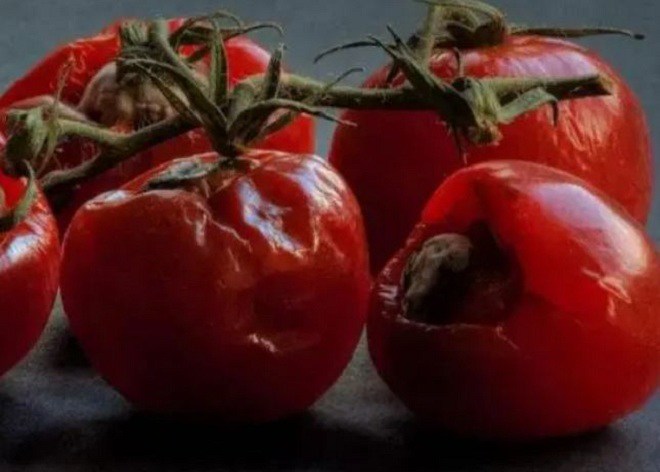
Most people immediately throw away tomatoes when they become soft, overripe, or start to spoil. Rotten tomatoes are usually seen as kitchen waste that has no value. However, in many cases, tomatoes that are no longer suitable for eating can still serve several practical purposes around the home and garden.
Tomatoes are rich in organic compounds, natural acids, vitamins, and nutrients that remain present even when the fruit becomes overripe. Instead of discarding them immediately, these tomatoes can often be reused in creative and environmentally friendly ways. By doing so, households can reduce food waste and make better use of natural resources.
Below are several useful ways rotten or overripe tomatoes can still be used.
1. Making Natural Garden Fertilizer
One of the most useful ways to reuse rotten tomatoes is by turning them into fertilizer for plants. Tomatoes contain nutrients such as potassium, nitrogen, and phosphorus that are beneficial for soil health.
When added to compost or buried in garden soil, decomposing tomatoes release these nutrients gradually. This process helps enrich the soil and supports plant growth.
Gardeners often place overripe tomatoes directly into compost bins, where microorganisms break them down and convert them into nutrient-rich compost. This compost can later be used to improve soil quality in gardens or potted plants.
2. Growing New Tomato Plants
Even when tomatoes are overripe, the seeds inside them are often still viable. In fact, the soft texture of a rotten tomato may make it easier for seeds to separate and germinate.
To grow new plants, gardeners can:
-
Remove seeds from the tomato
-
Rinse them gently
-
Allow them to dry
-
Plant them in nutrient-rich soil
With proper care, these seeds may grow into healthy tomato plants. This method is a simple way to recycle food waste while producing fresh vegetables.
3. Natural Cleaning for Metal Surfaces
Tomatoes contain natural acids, including citric acid and malic acid, which can help remove stains and oxidation from certain metal surfaces.
Overripe tomatoes can be used as a mild natural cleaner for items such as:
-
Copper cookware
-
Brass objects
-
Tarnished metal utensils
By rubbing a soft tomato pulp on the surface and then rinsing it with water, some stains and dullness may be reduced. This works because the natural acids help dissolve oxidation.
4. Enhancing Compost Quality
Rotten tomatoes are particularly useful in composting because they break down quickly. Their soft texture and high water content allow microorganisms to decompose them rapidly.
When added to compost piles, tomatoes help create a balanced mixture of organic materials. They also contribute moisture to the compost environment, which is important for microbial activity.
However, it is generally recommended to bury the tomatoes within the compost pile to avoid attracting insects or animals.
5. Improving Soil Microorganisms
When tomatoes decompose in soil, they support the growth of beneficial microorganisms. These microbes help break down organic matter and release nutrients that plants can absorb.
Healthy soil microorganisms are essential for plant growth because they:
-
Improve nutrient availability
-
Enhance soil structure
-
Support root development
Adding organic matter like rotten tomatoes can therefore contribute to a healthier garden ecosystem.
6. Natural Skin Care Applications
Some people also use overripe tomatoes in natural skin care routines. Tomatoes contain vitamin C, antioxidants, and mild natural acids that may help cleanse and refresh the skin.
In some homemade beauty treatments, tomato pulp is applied as a facial mask to help:
-
Remove excess oil
-
Brighten the skin
-
Gently exfoliate dead skin cells
However, individuals with sensitive skin should test small amounts first to avoid irritation.
7. Feeding Farm Animals
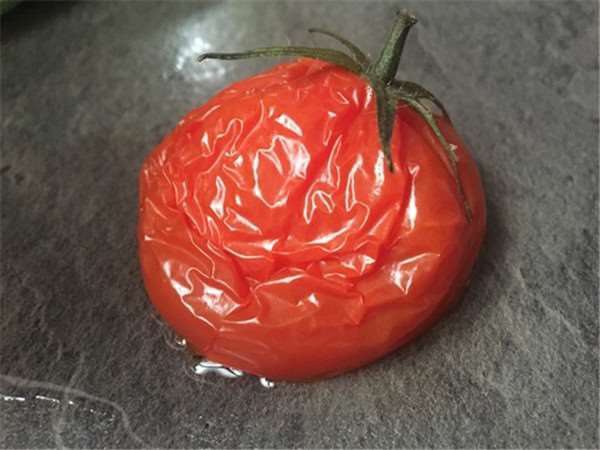
In rural areas or farms, overripe tomatoes are sometimes used as supplemental food for certain animals, such as chickens or livestock. The soft texture makes them easy for animals to eat.
However, tomatoes should always be given in moderation, and only the fruit should be used. Other parts of the tomato plant may contain compounds that are not suitable for some animals.
Reducing Food Waste
Food waste is a growing global issue. Large amounts of fruits and vegetables are discarded every day simply because they are overripe or slightly spoiled. Learning how to reuse organic materials like rotten tomatoes helps reduce waste and supports more sustainable living.
By finding alternative uses for food scraps, households can:
-
Reduce the amount of waste sent to landfills
-
Support gardening and soil health
-
Save money on fertilizers and cleaning products
Small changes in everyday habits can make a significant difference over time.
When Rotten Tomatoes Should Be Discarded
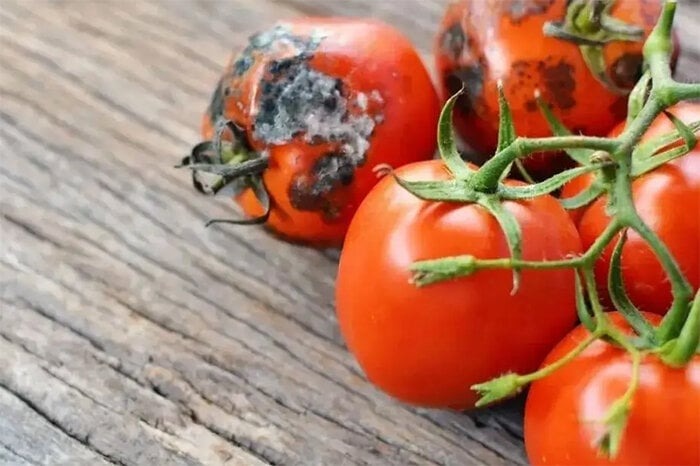
Although many uses exist for overripe tomatoes, it is important to recognize when tomatoes should not be reused. If tomatoes are heavily moldy, produce a strong unpleasant odor, or show signs of contamination, they should be disposed of safely.
Severely spoiled food may contain harmful bacteria or toxins that could pose health risks.
Therefore, only tomatoes that are overripe or mildly spoiled should be reused for the purposes mentioned above.
A Simple Way to Make Use of Food Scraps
Rotten tomatoes may appear worthless at first glance, but they can still serve many practical purposes when used creatively. From enriching garden soil to cleaning metal surfaces and supporting composting, these seemingly useless fruits can continue to provide value even after they are no longer suitable for eating.
By rethinking how we handle food waste, we can adopt more sustainable habits that benefit both our homes and the environment. Sometimes, what looks like waste may actually be a hidden resource waiting to be used wisely.