Foot care is often overlooked in daily health routines, yet our feet carry the weight of the entire body and are exposed to constant pressure, sweat, and friction. Over time, these factors can lead to a variety of common foot problems such as odor, dryness, fatigue, and skin irritation. While there are many commercial products designed to treat these issues, simple home remedies have been used for generations to support foot health.
One of the most popular natural remedies is soaking the feet in vinegar. Vinegar, particularly apple cider vinegar or white vinegar, contains natural acids and antimicrobial compounds that may help cleanse the skin, reduce bacteria, and improve overall foot hygiene. Many people find that soaking their feet in a diluted vinegar solution once a week can help manage several common foot concerns.
Below are nine common problems that a weekly vinegar foot soak may help relieve.
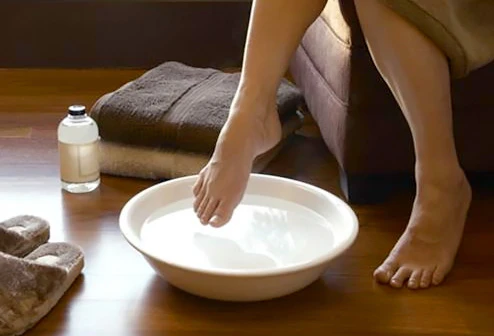
1. Foot Odor
Foot odor is one of the most common foot complaints. It usually develops when bacteria on the skin break down sweat, producing unpleasant smells.
Vinegar has natural antibacterial properties that may help reduce odor-causing bacteria. A vinegar foot soak can help cleanse the skin and create an environment that is less favorable for bacterial growth.
Regular foot soaking may help keep feet feeling fresher and cleaner.
2. Athlete’s Foot
Athlete’s foot is a fungal infection that commonly affects the skin between the toes. It can cause itching, redness, and peeling skin.
The acidic nature of vinegar may help inhibit the growth of certain fungi. While vinegar should not replace medical treatments for severe infections, it may provide mild support in keeping the skin clean and reducing fungal growth.
Keeping feet dry and clean is also important in preventing athlete’s foot.
3. Dry or Rough Skin
The skin on the feet often becomes dry and rough due to friction, pressure, and lack of moisture. Vinegar foot soaks may help soften hardened skin and make it easier to remove dead skin cells.
After soaking, gently exfoliating the feet with a pumice stone may help improve the texture of the skin.
Regular care may help maintain softer and healthier-looking feet.
4. Calluses
Calluses form when the skin thickens to protect itself from repeated pressure or friction. Although calluses are not usually harmful, they can become uncomfortable.
Soaking the feet in warm water mixed with vinegar may help soften thickened skin, making it easier to manage calluses with proper foot care.
However, people with diabetes or circulation issues should consult a healthcare professional before attempting to remove calluses.
5. Minor Skin Irritation
Vinegar contains compounds that may help cleanse the skin and reduce minor irritation. For some individuals, a vinegar foot soak may help soothe mild itching or skin discomfort.
Because vinegar is acidic, it should always be diluted with water to avoid irritation.
6. Toenail Discoloration
Changes in toenail color may occur for several reasons, including fungal growth or prolonged moisture exposure.
Some people use vinegar foot soaks as part of a foot hygiene routine to help keep nails clean and discourage fungal growth. Although vinegar is not a guaranteed treatment, maintaining proper foot hygiene may help improve nail appearance over time.
7. Tired and Aching Feet
After long hours of standing or walking, the muscles and tissues in the feet can become tired and sore.
Soaking the feet in warm water with vinegar may provide a relaxing experience that helps reduce tension and improve comfort. The warmth of the water may help increase blood circulation and relax muscles.
This simple routine can be especially soothing at the end of a long day.
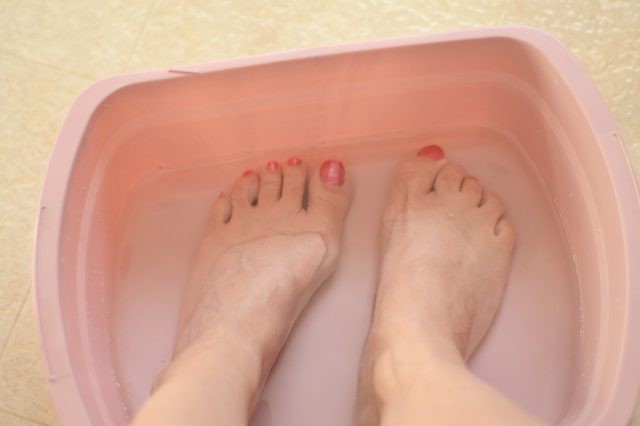
8. Mild Foot Swelling
Foot swelling may occur after extended periods of standing or sitting. A warm foot soak may help promote circulation and provide temporary relief.
Although vinegar itself may not directly reduce swelling, the soaking process may help relax the feet and improve comfort.
Persistent swelling should always be evaluated by a healthcare professional.
9. General Foot Hygiene
Regular foot soaking can support overall foot hygiene by helping remove dirt, sweat, and bacteria from the skin. Vinegar’s mild antimicrobial properties may contribute to a cleaner foot environment.
Maintaining good foot hygiene is important in preventing many common foot conditions.
How to Prepare a Vinegar Foot Soak
Preparing a vinegar foot soak is simple and requires only a few ingredients.
A typical method includes:
-
Filling a basin with warm water
-
Adding about one cup of vinegar (apple cider vinegar or white vinegar)
-
Soaking the feet for 15–20 minutes
-
Rinsing the feet with clean water afterward
-
Drying the feet thoroughly, especially between the toes
This routine can be done once a week as part of a regular self-care practice.
Important Safety Considerations
Although vinegar foot soaks are generally safe for most people, a few precautions should be considered.
-
Always dilute vinegar with water to avoid skin irritation
-
Avoid soaking if there are open wounds or severe skin conditions
-
People with diabetes or circulatory problems should consult a healthcare provider before using foot soaks
Listening to your body and practicing moderation is essential when trying home remedies.

A Simple Habit for Better Foot Care
Foot health is an important part of overall well-being, yet it is often neglected. A simple weekly foot soak using vinegar may help support foot hygiene, reduce odor, soften skin, and provide relaxation after a long day.
While vinegar soaks are not a cure for serious medical conditions, they can be a helpful addition to a regular self-care routine. Combined with proper hygiene, comfortable footwear, and healthy habits, taking care of your feet can help keep them strong and comfortable for years to come.