Waking up suddenly in the middle of the night with a painful muscle cramp in your leg is an experience many people know all too well. Nighttime leg cramps can be extremely uncomfortable, often causing intense pain that may last from a few seconds to several minutes. These cramps typically affect the calf muscles but may also occur in the feet or thighs.
Although occasional leg cramps are usually harmless, frequent nighttime cramps may indicate underlying issues related to hydration, nutrition, muscle fatigue, or certain health conditions. Understanding why these cramps occur and how to manage them can help improve sleep quality and overall well-being.
What Are Nighttime Leg Cramps?
Nighttime leg cramps are sudden, involuntary contractions of muscles in the leg that occur during sleep or periods of rest. Unlike muscle spasms caused by exercise, these cramps often happen without warning and can cause the muscle to feel tight or hard.
The cramps most commonly affect the calf muscle, but they can also occur in the thighs or feet. The intense tightening may cause a person to wake up suddenly and may leave lingering soreness after the cramp passes.
These cramps are sometimes referred to as nocturnal leg cramps.

Common Causes of Nighttime Leg Cramps
Nighttime leg cramps can occur for many reasons. In many cases, they are related to lifestyle factors rather than serious medical conditions.
1. Dehydration
One of the most common causes of muscle cramps is dehydration. When the body lacks adequate fluids, the balance of electrolytes in the muscles may become disrupted. This imbalance can cause muscles to contract unexpectedly.
People who do not drink enough water during the day may be more likely to experience cramps at night.
2. Mineral Imbalances
Certain minerals are essential for proper muscle function. These include:
-
Potassium
-
Magnesium
-
Calcium
-
Sodium
If the body lacks these minerals, muscles may become more prone to cramping. For example, magnesium plays an important role in muscle relaxation, while potassium helps regulate muscle contractions.
Poor dietary intake or certain medications may contribute to these deficiencies.
3. Muscle Fatigue
Overworking the muscles during the day can sometimes lead to cramps during the night. Activities such as prolonged standing, intense exercise, or walking long distances may strain the muscles.
When muscles are fatigued, they may contract more easily and may be more susceptible to spasms while resting.

4. Poor Circulation
Reduced blood flow to the legs can also contribute to muscle cramps. When circulation is impaired, muscles may not receive enough oxygen and nutrients.
Certain factors that may affect circulation include:
-
Sitting for long periods
-
Sleeping in awkward positions
-
Wearing tight clothing
-
Certain circulatory conditions
Improving blood flow through movement and stretching may help reduce cramps.
5. Pregnancy
Nighttime leg cramps are particularly common during pregnancy, especially in the second and third trimesters. The growing uterus may place pressure on nerves and blood vessels that supply the legs.
Hormonal changes and increased nutritional demands may also contribute to muscle cramps during pregnancy.
6. Certain Medical Conditions
In some cases, frequent nighttime leg cramps may be associated with underlying medical conditions such as:
-
Diabetes
-
Peripheral artery disease
-
Nerve disorders
-
Kidney problems
Additionally, certain medications, including diuretics or cholesterol-lowering drugs, may increase the likelihood of muscle cramps.
How to Relieve a Leg Cramp Quickly
When a nighttime leg cramp occurs, the pain can be intense. Fortunately, several simple actions may help relieve the cramp.
Stretch the muscle:
Straightening the leg and gently pulling the toes toward the body can help stretch the calf muscle and relieve tension.
Massage the muscle:
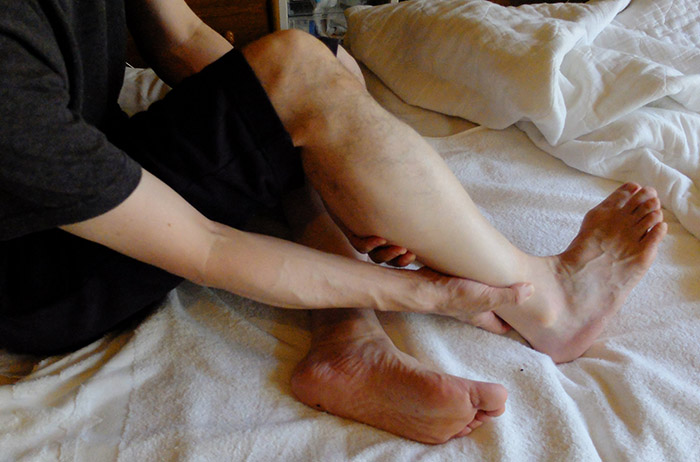
Gently rubbing or massaging the affected area may help the muscle relax.
Apply warmth:
Using a warm towel or heating pad can help increase blood flow and relax the muscle.
Walk slowly:
Standing up and walking carefully may help restore normal muscle function.
These techniques often help the muscle relax and reduce the duration of the cramp.
Ways to Prevent Nighttime Leg Cramps
While occasional cramps may still occur, several lifestyle habits may reduce the frequency of nighttime leg cramps.
Stay hydrated:
Drinking enough water throughout the day helps maintain proper electrolyte balance.
Eat a balanced diet:
Consuming foods rich in potassium, magnesium, and calcium may support healthy muscle function.
Stretch before bed:
Gentle stretching of the calf and leg muscles before sleeping may help prevent cramps.
Stay physically active:
Regular moderate exercise can improve muscle strength and circulation.
Adjust sleeping positions:
Avoid positions that may restrict blood flow or place pressure on the legs.
When to Seek Medical Advice
Most nighttime leg cramps are harmless and occur occasionally. However, medical advice may be needed if cramps:
-
Occur very frequently
-
Cause severe pain
-
Do not improve with stretching or hydration
-
Are accompanied by swelling or muscle weakness
A healthcare professional can help determine whether an underlying condition is contributing to the symptoms.
Understanding Your Body’s Signals
The human body often sends signals when something is out of balance. Nighttime leg cramps may be the body’s way of indicating issues such as dehydration, muscle fatigue, or nutritional imbalance.
Paying attention to these signals and making small lifestyle adjustments can often help reduce the frequency of cramps and improve sleep quality.
Conclusion
Nighttime leg cramps can be painful and disruptive, but in most cases they are temporary and manageable. Understanding the possible causes—from dehydration and mineral deficiencies to muscle fatigue and circulation problems—can help individuals take steps to prevent them.
By staying hydrated, maintaining proper nutrition, stretching regularly, and adopting healthy habits, many people can significantly reduce the occurrence of nighttime leg cramps.
Ultimately, listening to your body and responding to its signals is one of the most effective ways to maintain muscle health and ensure a more comfortable and restful night’s sleep.