Colon cancer, also known as colorectal cancer, is one of the most common types of cancer worldwide. It develops in the large intestine (colon) or the rectum and often begins with small growths called colon polyps. These polyps usually form on the inner lining of the colon and, in many cases, do not cause noticeable symptoms at first. While not all polyps become cancerous, some types can gradually develop into colorectal cancer if they are not detected and removed early.
Because of this progression, early identification of colon polyps is considered one of the most effective strategies for preventing colorectal cancer. Detecting polyps before they become malignant allows doctors to remove them through relatively simple medical procedures, significantly reducing the risk of cancer development.
What Are Colon Polyps?
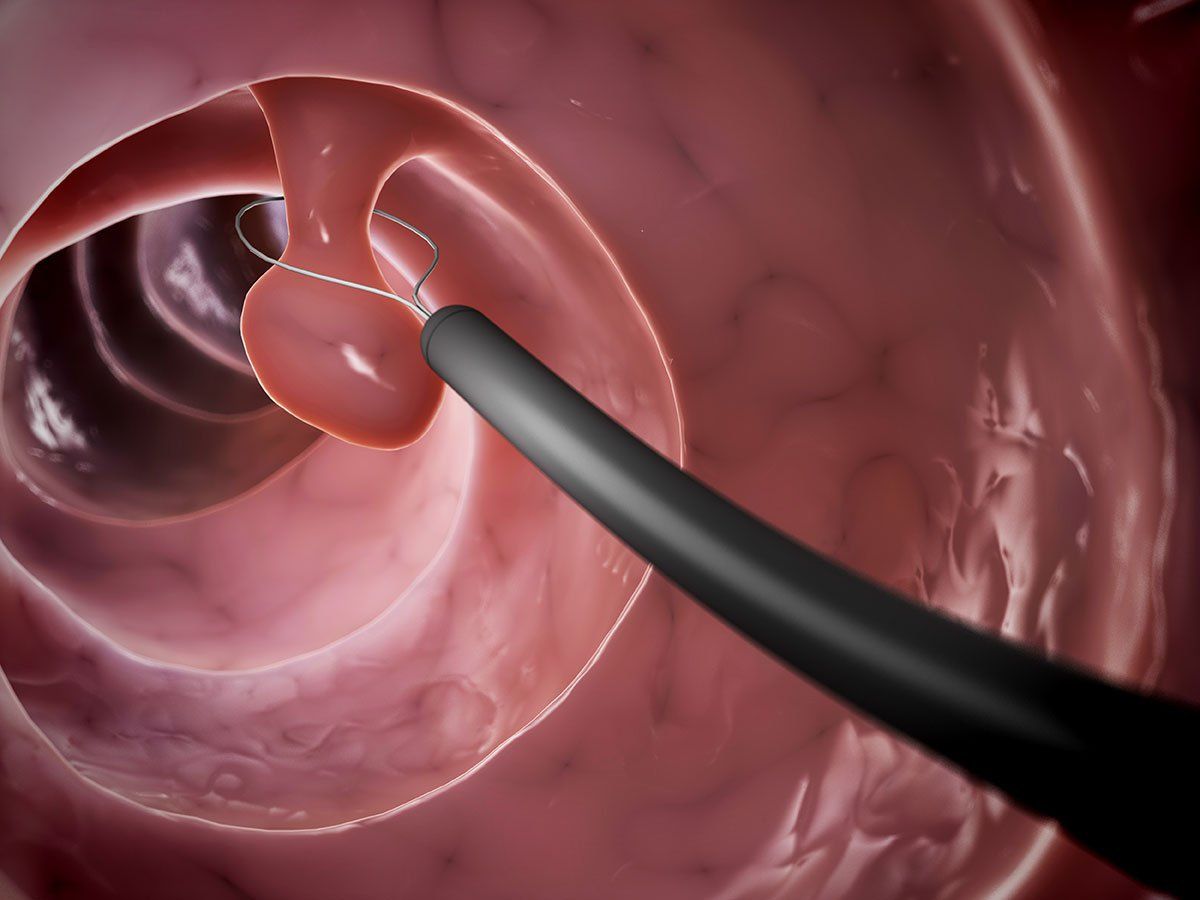
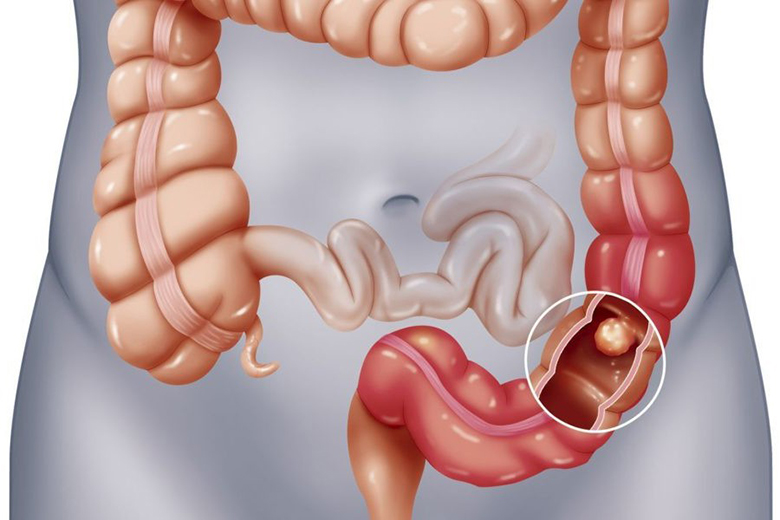
Colon polyps are abnormal tissue growths that develop on the lining of the colon or rectum. They can vary in size, shape, and number. Some polyps are small and flat, while others may appear as larger, mushroom-like growths attached to the intestinal wall.
There are several types of colon polyps, including:
-
Hyperplastic polyps – generally small and rarely become cancerous
-
Adenomatous polyps (adenomas) – more likely to develop into cancer over time
-
Sessile serrated polyps – may also carry a risk of becoming cancerous
Among these, adenomatous polyps are the most concerning because they can gradually transform into cancer cells through a process that may take several years.
How Colon Cancer Develops
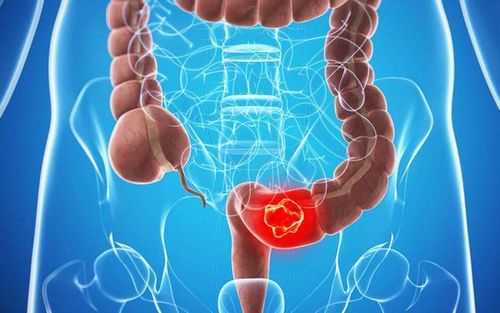
Colorectal cancer typically develops slowly. In many cases, it begins with a small polyp that grows gradually over time. Genetic mutations within the cells of the polyp may cause abnormal cell growth and eventually lead to cancer.
This process often takes 10 to 15 years, which means there is a valuable window of opportunity for early detection and intervention. If polyps are identified and removed during this period, the progression to cancer can often be completely prevented.
Why Early Detection Is So Important
The early detection of colon polyps plays a critical role in reducing the risk of colorectal cancer. When polyps are discovered early, they can usually be removed before they cause serious health problems.
The benefits of early detection include:
-
Preventing polyps from turning into cancer
-
Detecting colorectal cancer at an early stage when treatment is more effective
-
Reducing the need for more aggressive medical treatments
-
Improving long-term survival rates
In fact, screening programs that identify and remove colon polyps have been shown to significantly lower colorectal cancer rates in many populations.
Common Risk Factors for Colon Polyps
Although colon polyps can develop in anyone, certain factors may increase the likelihood of developing them.
Common risk factors include:
-
Being over the age of 45 or 50
-
A family history of colorectal cancer or polyps
-
Diets high in processed or red meat
-
Low intake of fiber-rich foods
-
Smoking and excessive alcohol consumption
-
Obesity and lack of physical activity
-
Certain genetic conditions
People with these risk factors may benefit from regular screening and medical monitoring.
Symptoms That May Indicate Colon Polyps
Many colon polyps do not produce noticeable symptoms, especially in their early stages. This is why screening is so important.
However, in some cases, symptoms may include:
-
Blood in the stool
-
Changes in bowel habits
-
Persistent constipation or diarrhea
-
Abdominal discomfort or cramping
-
Unexplained fatigue
These symptoms can also be associated with other conditions, but they should never be ignored. Anyone experiencing persistent digestive changes should seek medical advice.
Screening Methods for Detecting Colon Polyps
Several medical screening methods can help detect colon polyps early. These procedures allow doctors to examine the colon and identify abnormal growths.
The most common screening tests include:
Colonoscopy
A colonoscopy is considered the most effective method for detecting colon polyps. During this procedure, a thin flexible tube with a camera is inserted into the colon to examine its lining. If polyps are found, they can often be removed during the same procedure.
Stool-Based Tests
Certain tests analyze stool samples to detect hidden blood or DNA changes that may indicate the presence of polyps or cancer.
CT Colonography
Also known as virtual colonoscopy, this imaging test uses CT scans to create detailed images of the colon.
Regular screening is especially recommended for individuals over a certain age or those with risk factors.
Lifestyle Habits That May Reduce Risk
While screening is essential, lifestyle choices also play an important role in maintaining colon health.
Several habits may help reduce the risk of colon polyps and colorectal cancer:
-
Eating a diet rich in fruits, vegetables, and whole grains
-
Increasing fiber intake
-
Limiting processed and red meat consumption
-
Exercising regularly
-
Maintaining a healthy body weight
-
Avoiding tobacco and excessive alcohol
These healthy habits support digestive health and may lower inflammation in the body.
Advances in Medical Research
Modern medicine continues to improve screening techniques and preventive strategies for colorectal cancer. Advances in medical technology have made procedures like colonoscopy safer, more accurate, and more accessible.
Researchers are also studying genetic markers, dietary factors, and lifestyle interventions that may help identify individuals at higher risk and improve early detection.
Public awareness campaigns and screening programs have already contributed to declining colorectal cancer rates in many regions.
Conclusion
Colon polyps are common growths that can develop silently in the digestive system. While many polyps remain harmless, some have the potential to become cancerous over time. Because the transformation from polyp to cancer can take many years, early identification offers a powerful opportunity for prevention.
Through regular screening, healthy lifestyle choices, and increased awareness, individuals can significantly reduce their risk of developing colorectal cancer. Detecting and removing colon polyps early remains one of the most effective tools in modern cancer prevention.
Ultimately, prioritizing early detection is not only a medical recommendation—it is a proactive step toward protecting long-term health and improving quality of life.