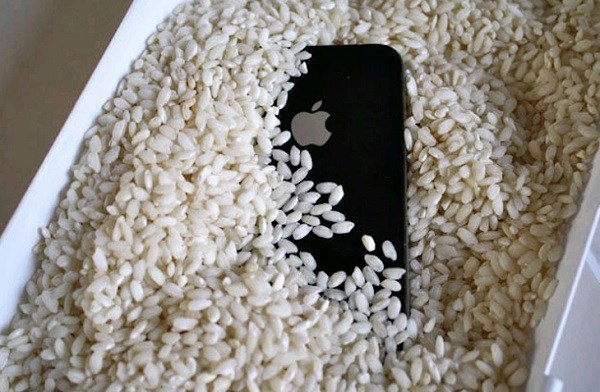
Dropping a phone in water can be a stressful moment. Whether it slips into a sink, a puddle, or even a toilet, the first instinct for many people is to grab a bowl of rice and bury the phone inside it. For years, the “rice trick” has been widely shared as a quick fix for wet electronics.
However, many technology experts now say that putting a wet phone in rice may not actually help—and in some cases, it could even make the situation worse. Instead, there are safer and more effective steps that can improve the chances of saving a water-damaged device.
Understanding the right way to respond when a phone gets wet can make a huge difference.
Why Water Can Damage Phones
Modern smartphones are complex devices filled with delicate electronic circuits. When water enters the phone, it can reach internal components such as the battery, motherboard, or connectors.
The biggest danger is not always the water itself but short circuits that occur when electricity flows through wet components. If the device is powered on while water is still inside, it can cause permanent damage.
Even small amounts of moisture can lead to problems like:
-
Screen malfunction
-
Charging issues
-
Speaker distortion
-
Battery failure
-
Complete device shutdown
Because of this, the first response after water exposure is extremely important.
Why the Rice Method Isn’t Ideal
The rice trick became popular because rice is known to absorb moisture. People assume that placing a wet phone in a container of rice will pull the water out of the device.
However, many technicians argue that this method is not very effective.
There are several reasons for this:
1. Rice Doesn’t Remove Internal Moisture Well
Rice may absorb some humidity from the air, but it cannot effectively pull water from inside sealed phone components. Most smartphones have tight internal structures where moisture can remain trapped.
As a result, the phone may still contain water even after sitting in rice for many hours.
2. Rice Dust Can Enter the Phone
Small particles of rice dust or starch can get inside the charging port or headphone jack. These particles may cause additional blockages or internal contamination, making repairs more difficult later.
3. It Wastes Valuable Time
The most important step after water exposure is removing moisture as quickly as possible. Waiting 24–48 hours while a phone sits in rice may delay more effective drying methods.
Because time is critical, relying on rice may reduce the chances of saving the device.
What Smart People Do Instead
Instead of immediately placing a phone in rice, experts recommend several practical steps that are far more effective.
1. Turn the Phone Off Immediately
If the phone is still on, the first thing to do is power it off right away.
Electricity flowing through wet circuits can cause severe damage. Turning off the device reduces the risk of short circuits and protects internal components.
If possible, avoid pressing unnecessary buttons.
2. Remove Accessories and External Parts
Next, remove anything that can be detached from the phone.
This may include:
-
Phone case
-
SIM card tray
-
Memory card
-
External accessories
Removing these parts allows more airflow and helps moisture escape faster.
3. Gently Dry the Exterior
Use a clean, dry cloth or paper towel to wipe off any visible water from the phone’s surface.
Pay special attention to areas like:
-
Charging ports
-
Speaker holes
-
Camera openings
Avoid shaking the phone aggressively because this can push water deeper into the device.
4. Use Airflow Instead of Rice
Airflow is one of the best ways to help moisture evaporate.
Placing the phone in a well-ventilated area with moving air can speed up the drying process. For example, placing it near a fan can help circulate air around the device.
Some people also use silica gel packets (the small drying packets found in product packaging), which are far more effective moisture absorbers than rice.
5. Wait Before Turning It On Again
Patience is critical when dealing with water damage.
Even if the phone appears dry on the outside, moisture may still be present inside. Experts usually recommend waiting at least 24–48 hours before attempting to power the device back on.
Turning it on too soon could cause irreversible damage.
What You Should Never Do
In addition to avoiding rice, there are several other mistakes people often make when trying to dry a wet phone.
Avoid Heat
Using a hair dryer, microwave, or oven is extremely dangerous. High heat can damage the battery, screen, or internal components.
Avoid Charging Immediately
Plugging a wet phone into a charger can cause electrical short circuits. Always make sure the phone is completely dry before charging.
Avoid Pressing Too Many Buttons
Repeatedly pressing buttons may push moisture deeper inside the device.
Modern Phones and Water Resistance
Many newer smartphones are designed with water-resistant ratings, often labeled as IP67 or IP68. These ratings mean the phone can survive limited exposure to water under specific conditions.
However, water resistance does not mean the device is completely waterproof. Over time, seals can weaken, and certain types of water exposure—such as saltwater or soapy water—can still cause damage.
Even water-resistant phones should be dried carefully if they become wet.
When Professional Repair Is Necessary
If the phone shows unusual behavior after drying, it may need professional repair.
Signs that water damage may still exist include:
-
Screen flickering
-
Distorted audio
-
Charging problems
-
Overheating
-
Random shutdowns
Professional technicians can open the device and clean internal components with specialized tools designed for electronics.
Final Thoughts
The rice trick has been a popular household tip for years, but modern technology experts increasingly agree that it is not the most effective solution for a wet phone.
Instead, acting quickly and following proper drying steps—turning off the device, removing accessories, drying the exterior, and allowing airflow—can greatly improve the chances of saving the phone.
Water accidents happen to almost everyone at some point. The key is staying calm and responding with the right method instead of relying on outdated myths.
Knowing what to do when a phone gets wet can help protect your device and prevent an expensive repair or replacement.