
6 Effective Ways to Prevent Bad Breath After Sleeping
Waking up with unpleasant breath is a common experience for many people. During sleep, saliva production naturally decreases, which allows bacteria in the mouth to multiply and produce odor-causing compounds.
Fortunately, several simple habits can help reduce or even prevent bad breath in the morning. By improving oral hygiene and adjusting daily routines, you can wake up with fresher breath and greater confidence.
1. Brush Your Teeth Before Going to Bed
One of the most effective ways to prevent morning breath is brushing your teeth thoroughly before sleep.
Food particles left between teeth can become a breeding ground for bacteria overnight. When bacteria break down these particles, they release sulfur compounds that cause unpleasant odors.
Brushing your teeth and flossing before bed removes most of this buildup and significantly reduces the chances of waking up with bad breath.
2. Clean Your Tongue
Many people forget that the tongue is one of the main places where bacteria accumulate.
The rough surface of the tongue traps food debris and dead cells, creating an ideal environment for odor-causing bacteria. Cleaning the tongue with a toothbrush or tongue scraper can help remove this buildup and improve breath freshness.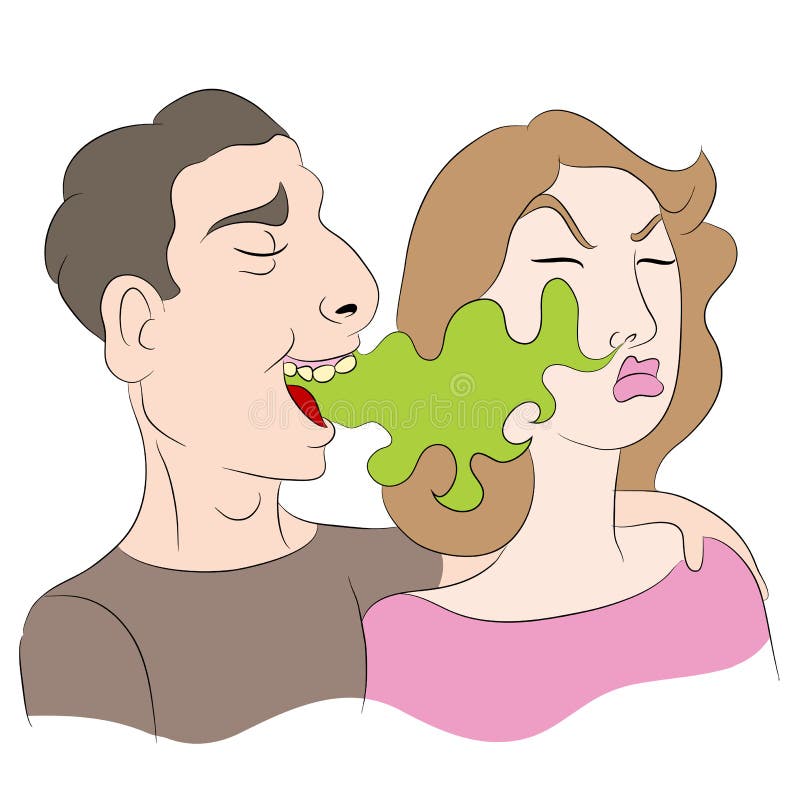
3. Drink Enough Water
Dry mouth is a major cause of bad breath. When saliva decreases, bacteria multiply more easily.
Drinking enough water throughout the day and even before bedtime helps keep the mouth hydrated and supports natural cleansing processes in the mouth.
4. Avoid Strong-Smelling Foods Before Bed
Foods like garlic, onions, and certain spices contain compounds that can linger in the mouth and bloodstream for hours.
Even after brushing, these compounds may still affect your breath the next morning. Limiting these foods in the evening can help reduce morning odors.
5. Use Mouthwash or Dental Floss
Dental floss helps remove food particles trapped between teeth where a toothbrush cannot reach.
Mouthwash can also help kill bacteria and provide extra protection against odor-causing microbes. Combined with brushing, these steps create a more complete oral hygiene routine.
6. Maintain Regular Dental Checkups
If bad breath continues despite good hygiene habits, it may be linked to dental problems such as cavities or gum disease.
Regular dental visits help detect these issues early and ensure that your oral health stays in good condition.
A Simple Routine for Fresher Mornings
Morning breath is natural, but it can often be controlled with better daily habits. By brushing properly, cleaning the tongue, staying hydrated, and maintaining good oral hygiene, you can significantly reduce unpleasant breath after sleeping.
Sometimes, a few simple changes in your nightly routine can make a big difference in how fresh you feel when you wake up.