Few things are more frustrating than noticing tiny insects flying around your kitchen. Gnats, small flying pests often attracted to food scraps and moisture, can quickly become a nuisance if left unchecked. Although they are harmless in most cases, their presence can make kitchens feel unsanitary and uncomfortable.
Fortunately, there are several simple and effective ways to eliminate gnats and prevent them from returning. Understanding what attracts these insects is the first step to solving the problem.
Gnats are commonly drawn to moist environments and organic material such as fruit, food residue, or even standing water. Kitchens provide the perfect environment for them to thrive, especially when garbage bins, drains, or overripe fruits are left unattended.
Below are seven practical tips that can help you get rid of gnats and keep your kitchen pest-free.
1. Remove Overripe Fruits and Food Scraps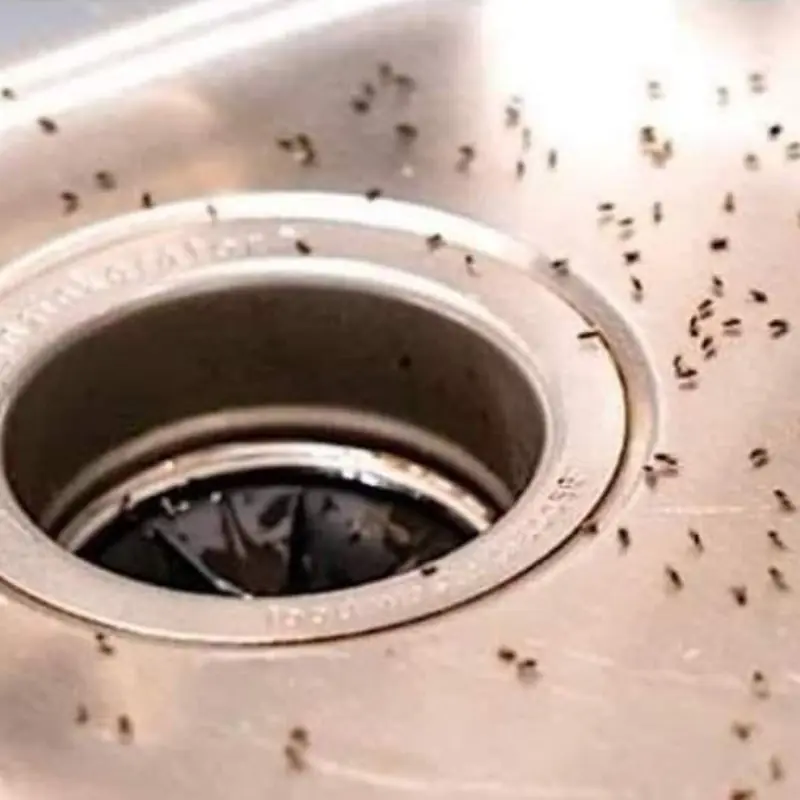
One of the most common reasons gnats appear in kitchens is the presence of overripe fruits or leftover food. Fruit bowls on countertops can quickly attract gnats if fruits begin to ferment.
Check your kitchen regularly for spoiled produce. Store fruits in the refrigerator if possible and clean up food scraps immediately after preparing meals.
2. Take Out the Trash Regularly
Kitchen garbage bins are another major attraction for gnats. Food waste inside the trash can quickly create the perfect breeding environment for these pests.
Make it a habit to empty your trash frequently, especially if it contains fruit peels, vegetable scraps, or leftover food. Using a trash can with a tight-fitting lid can also help prevent gnats from getting inside.
3. Clean Your Kitchen Drain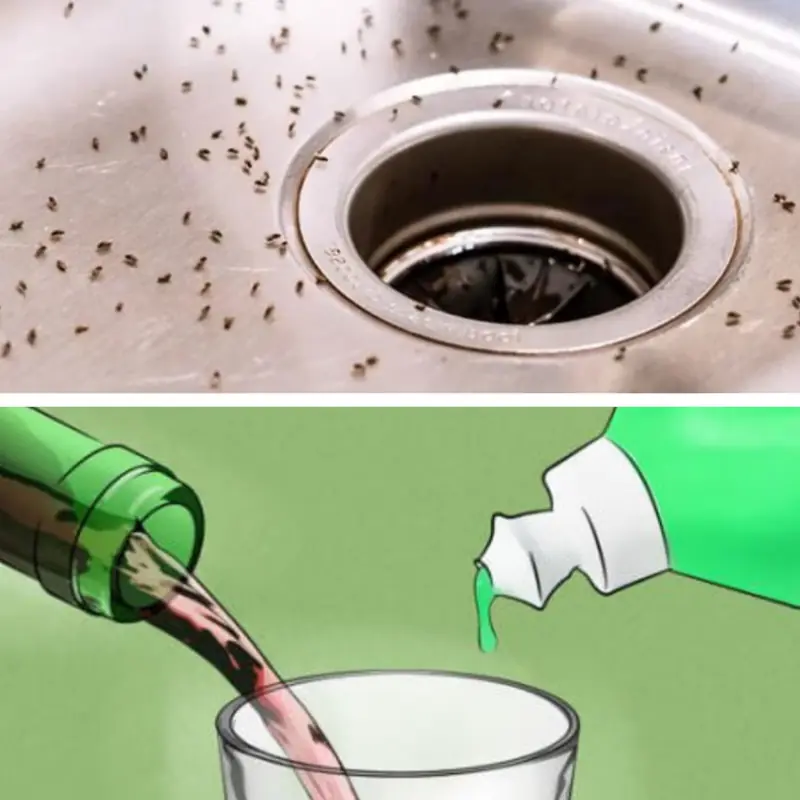
Many people don’t realize that kitchen drains can harbor gnats. Food residue and grease often build up inside pipes, creating an ideal place for these insects to breed.
To clean your drain, pour boiling water down the sink regularly. You can also use a mixture of baking soda and vinegar to help break down residue and remove odors that attract gnats.
4. Set Up a Vinegar Trap
A simple homemade trap can be very effective in reducing gnat populations. Pour a small amount of apple cider vinegar into a bowl or jar and add a few drops of dish soap.
The vinegar attracts gnats, while the soap breaks the surface tension of the liquid, causing the insects to sink and drown. Placing a few of these traps around the kitchen can quickly reduce the number of gnats.
5. Keep Surfaces Clean and Dry
Kitchen counters, cutting boards, and sinks should be cleaned regularly to remove food residue. Even small spills or crumbs can attract gnats.
Wipe down surfaces with a mild cleaning solution and make sure to dry them afterward. Moisture is one of the main factors that attract these insects.
6. Check Houseplants
Surprisingly, indoor plants can also attract gnats. Fungus gnats often lay eggs in moist soil, especially if plants are overwatered.
Allow the soil to dry slightly between watering and remove any dead leaves from plant pots. In some cases, placing a thin layer of sand on top of the soil can help discourage gnats from laying eggs.
7. Improve Kitchen Ventilation
Proper airflow can help reduce humidity in your kitchen, making the environment less appealing to gnats. Open windows when possible or use a kitchen exhaust fan while cooking.
Keeping the kitchen dry and well-ventilated helps prevent the conditions that allow gnats to thrive.
Prevention Is the Best Solution
While gnats can be annoying, they are usually easy to control with a few consistent cleaning habits. Maintaining a clean kitchen, removing food waste promptly, and reducing moisture are the most effective ways to keep these pests away.
By following these simple tips, homeowners can quickly eliminate gnats and enjoy a cleaner, more comfortable kitchen environment. In most cases, a little attention to hygiene and food storage is all it takes to prevent these tiny insects from becoming a persistent problem.