Thunderstorms are powerful natural events that can bring heavy rain, strong winds, and lightning. While many people focus on staying indoors during a storm to remain safe, fewer people realize that certain everyday activities inside the house can also carry risks during thunderstorms. One commonly overlooked issue is using water through household plumbing during a lightning storm.
Activities such as showering, washing dishes, or doing laundry may seem harmless, but during severe weather, these tasks can potentially expose people to electrical hazards. Understanding why these risks exist can help individuals take simple precautions to stay safe.
Understanding How Lightning Works
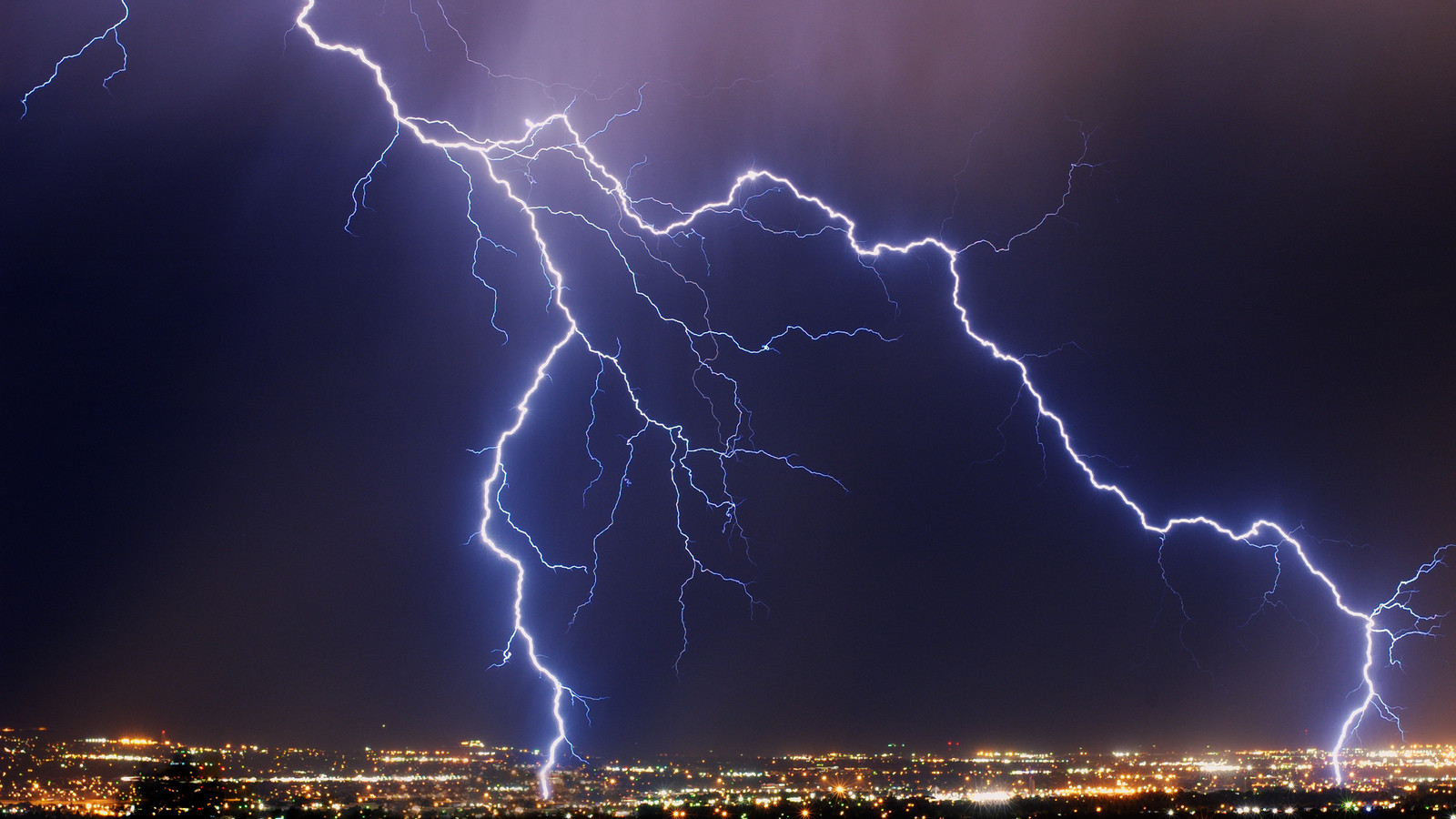
Lightning is a massive electrical discharge that occurs when a buildup of electrical energy in the atmosphere suddenly releases. A single lightning strike can contain millions of volts of electricity, making it one of the most powerful natural forces on Earth.
When lightning strikes a building, tree, or power line, the electrical energy seeks the fastest path to the ground. This electricity can travel through various conductive materials, including:
-
Metal pipes
-
Electrical wiring
-
Water systems
-
Telephone lines
Because of this, lightning does not always stay outside the house. In some cases, the electrical surge can travel through a building’s infrastructure.
Why Plumbing Can Conduct Electricity
Many homes use plumbing systems made from metal pipes or pipes connected to metal fixtures. Water itself also conducts electricity, especially when it contains minerals.
When lightning strikes a building or nearby area, the electrical current may travel through plumbing pipes. If someone is using water at that moment—such as during a shower or while washing dishes—they may be in contact with surfaces that conduct electricity.
This is why experts often recommend avoiding water-related activities during intense thunderstorms.
The Risk During Showering
Taking a shower during a thunderstorm may increase the risk of exposure to lightning-related electrical currents.
In a typical shower, a person may come into contact with several conductive surfaces, including:
-
Metal faucets
-
Shower pipes
-
Water flowing through plumbing
-
Metal drain systems
If lightning energy travels through the plumbing system, it may reach these surfaces. Although such incidents are relatively rare, they have been documented in some cases.
For this reason, it is generally considered safer to wait until the storm passes before showering.
Washing Dishes and Laundry
Other household activities that involve water and plumbing can also present similar risks during thunderstorms.
For example, washing dishes at the sink often involves touching:
-
Metal faucets
-
Stainless steel sinks
-
Water pipes
Similarly, using washing machines or dishwashers connects both water systems and electrical appliances. If lightning strikes nearby power lines or plumbing systems, electrical surges may travel through these connections.
Avoiding these tasks temporarily during a thunderstorm can reduce potential exposure.
Electrical Surges and Appliances
Lightning does not only affect plumbing systems. It can also cause electrical power surges in household wiring.
These surges can damage electronics such as:
-
Televisions
-
Computers
-
Refrigerators
-
Washing machines
-
Internet routers
In some cases, lightning strikes may send large electrical currents through power lines, which then enter homes through electrical outlets.
Using appliances connected to both water and electricity during a storm may increase risk if a surge occurs.
How Common Are Lightning Injuries Indoors?
Although lightning injuries are more commonly associated with outdoor activities, indoor lightning injuries can still occur.
According to safety experts, lightning-related injuries indoors usually happen when individuals are in contact with conductive systems such as:
-
Plumbing
-
Wired electronics
-
Electrical outlets
Because these systems can carry electrical currents during storms, avoiding direct contact with them during severe lightning can improve safety.
Safety Tips During Thunderstorms
There are several simple precautions that can help reduce risk during thunderstorms.
Avoid Using Water
Try to avoid activities involving water, including:
-
Showering or bathing
-
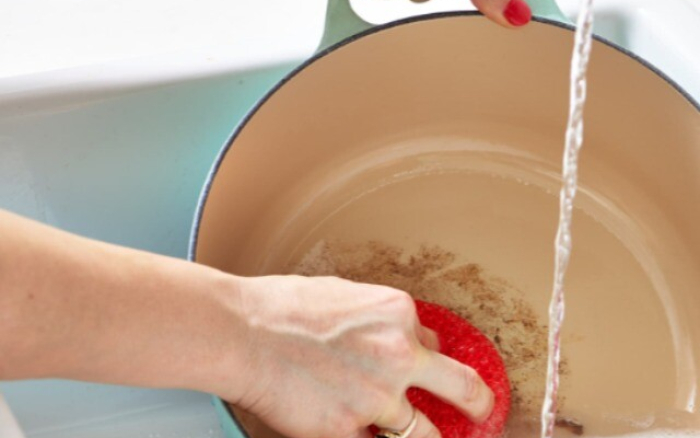
Washing dishes
-
Doing laundry
-
Cleaning with running water
Waiting until the storm passes is usually the safest option.
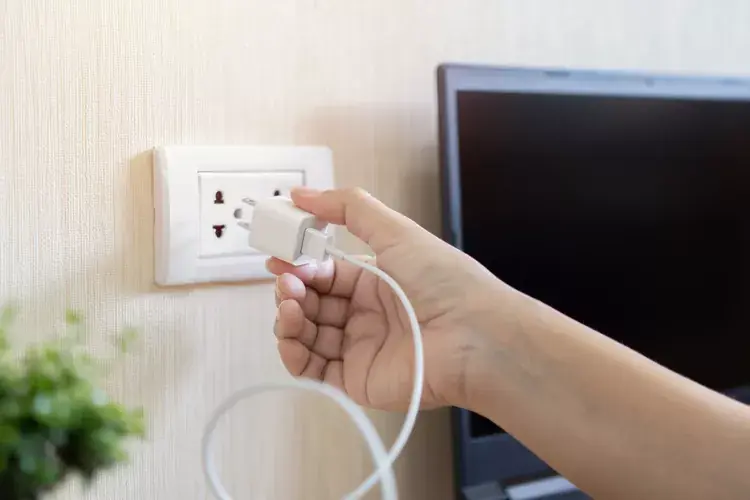
Unplug Sensitive Electronics
Disconnecting electronics during storms can help protect them from electrical surges.
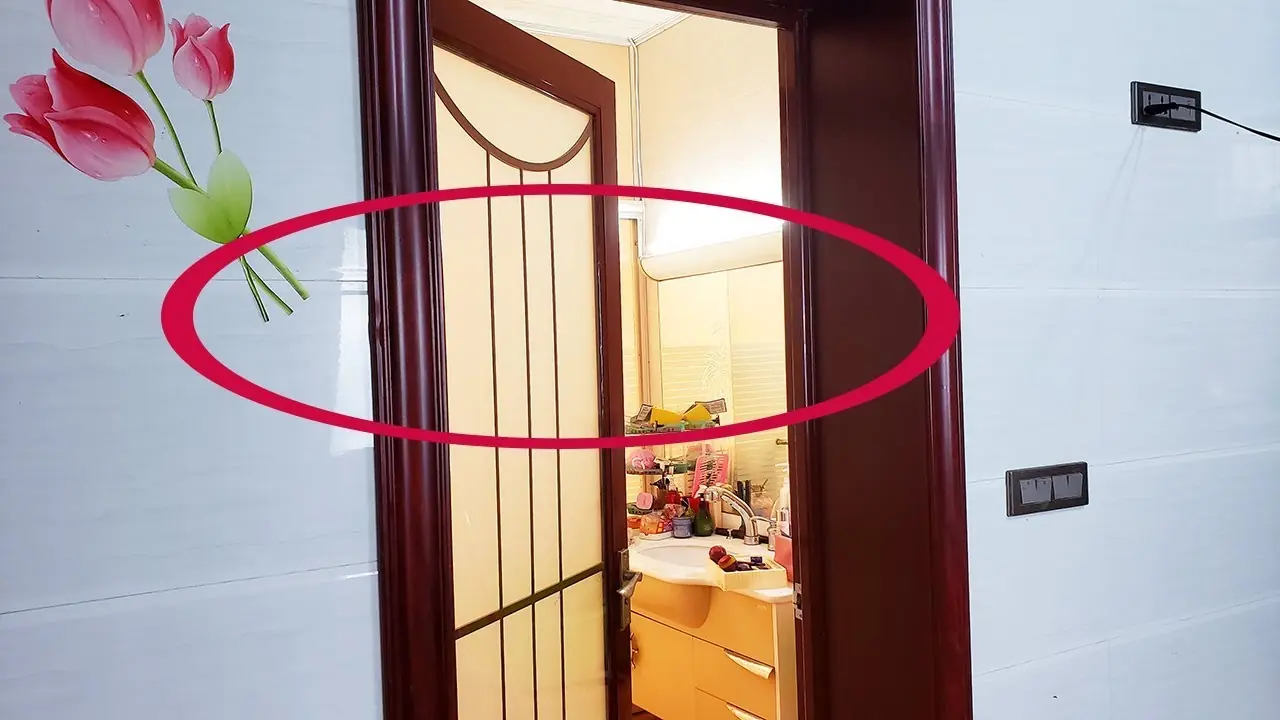
Stay Away From Windows and Doors
Lightning may travel through structures, so it is best to stay away from large openings or metal frames during intense storms.
Use Surge Protectors
Installing surge protectors can help reduce the risk of electrical damage to household devices.
The Importance of Storm Awareness
Thunderstorms often pass quickly, and the risks associated with lightning can be reduced simply by waiting until the weather improves before performing certain household tasks.
While the chances of lightning-related accidents inside the home are relatively low, taking basic precautions can greatly improve safety.
By understanding how lightning behaves and how electricity can travel through plumbing and wiring, individuals can make safer decisions during severe weather.
Final Thoughts
Showering, washing dishes, or doing laundry during a thunderstorm may seem harmless, but these activities involve contact with plumbing and water systems that can conduct electricity. Because lightning can travel through pipes and electrical wiring, using water during a storm may increase the risk of electrical exposure.
Although such incidents are uncommon, safety experts recommend avoiding water-related household tasks until the storm has passed. Simple precautions like waiting to shower, unplugging electronics, and staying away from plumbing can help reduce potential dangers.
Storms are a natural part of life, but understanding how to stay safe during them can make a significant difference. Taking a few careful steps during thunderstorms helps protect both people and homes from unnecessary risks.