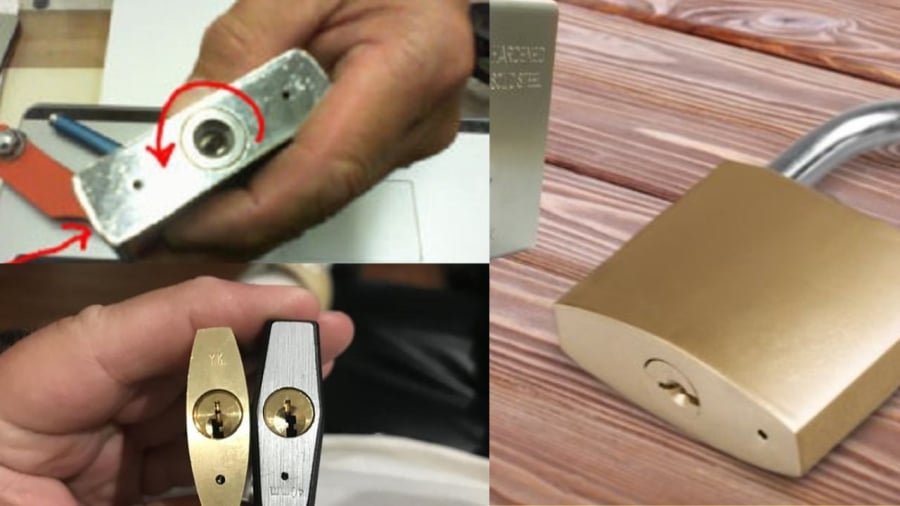
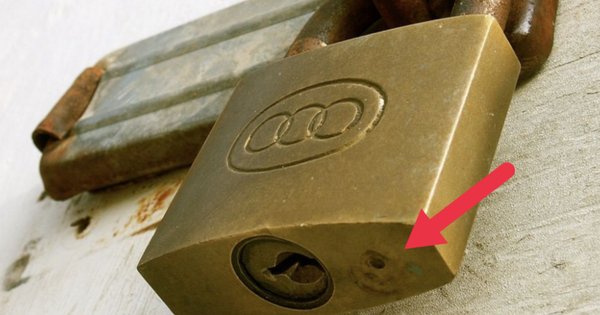
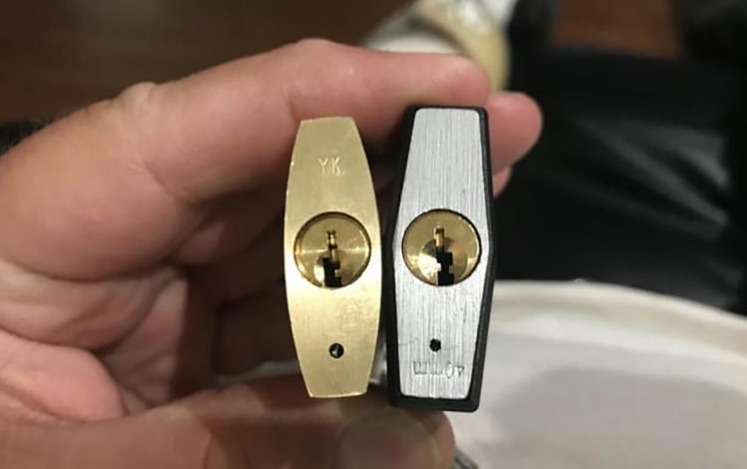
When looking closely at many padlocks or door locks, you may notice a small hole located at the bottom of the lock body. At first glance, this tiny opening might appear to be a manufacturing detail or even a design flaw. Because it is rarely discussed, many people assume it serves no real purpose.
However, this small hole actually plays several important roles in maintaining the functionality and durability of the lock. Lock designers include it intentionally to ensure the mechanism continues working properly under different conditions.
Understanding the purpose of this small feature reveals how thoughtful engineering helps everyday objects function more reliably.
A Drainage Hole for Water
One of the most important purposes of the hole at the bottom of a lock is drainage. Locks are often exposed to outdoor environments where they encounter rain, humidity, or condensation.
If water enters the lock mechanism and cannot escape, it can accumulate inside the lock body. Over time, this trapped moisture may cause:
-
Rust formation
-
Internal corrosion
-
Stiff or jammed locking mechanisms
The small hole allows water to drain out naturally, helping prevent moisture from remaining inside the lock.
This is particularly important for locks used on gates, fences, bicycles, and outdoor storage areas.
Helps Prevent Freezing in Cold Weather
In colder climates, trapped water inside a lock can freeze when temperatures drop below freezing. Ice expansion inside the lock mechanism may block the movement of internal parts, making it difficult or impossible to insert or turn the key.
The drainage hole helps reduce the risk of freezing by allowing water to escape before it accumulates.
By minimizing trapped moisture, the lock is less likely to freeze and become unusable during winter conditions.
Allows Lubrication of Internal Parts
Another important function of the hole is maintenance access. Over time, dust, dirt, and wear may affect the smooth operation of a lock.
The small hole provides a convenient entry point for lubricating oils or lock maintenance sprays. When lubricant is applied through this opening, it can reach the internal moving components of the lock.
Regular lubrication helps:
-
Reduce friction
-
Prevent rust
-
Keep the locking mechanism operating smoothly
For this reason, locksmiths often recommend applying a small amount of lock lubricant periodically, especially for locks used outdoors.
Helps Remove Dirt and Debris
Locks exposed to outdoor conditions may collect dirt, dust, or small particles inside the mechanism. Without a way for these particles to escape, debris could gradually accumulate and interfere with the internal components.
The small hole helps provide a pathway for debris to fall out or be flushed out during cleaning or lubrication.
This contributes to maintaining the lock’s performance over time.
An Example of Simple but Smart Engineering
The small hole in a lock is a great example of how simple design elements can solve multiple problems. By adding a tiny opening, manufacturers improve the durability, reliability, and serviceability of the lock.
Although the feature is easy to overlook, it helps protect the internal mechanism from several common issues.
Engineers often incorporate small details like this to ensure everyday tools function efficiently under real-world conditions.
Types of Locks That Use This Feature
The drainage hole is most commonly found in padlocks, particularly those designed for outdoor use.
These locks are frequently exposed to weather conditions, so drainage and maintenance access are especially important.
However, not all locks have the same design. Some indoor locks or high-security locks may use sealed mechanisms that do not require external drainage holes.
Tips for Maintaining Locks
To keep locks functioning properly for a long time, a few simple maintenance steps can help:
-
Apply lock lubricant occasionally through the drainage hole
-
Avoid using excessive force when turning keys
-
Protect outdoor locks from prolonged exposure to heavy rain when possible
-
Clean dirt and debris from the lock body periodically
These small steps can extend the lifespan of a lock and prevent mechanical problems.
Final Thoughts
The small hole found at the bottom of many locks may seem insignificant, but it serves several important purposes. It allows water to drain out, helps prevent freezing in cold conditions, provides access for lubrication, and allows debris to escape from the mechanism.
This tiny feature demonstrates how thoughtful design can improve the reliability of everyday objects. The next time you notice that small hole in a lock, you will know that it is not just a random detail—it is an essential part of keeping the lock working smoothly and safely.