Lung cancer is one of the most serious health conditions affecting millions of people worldwide. It occurs when abnormal cells in the lungs grow uncontrollably, forming tumors that can interfere with normal lung function. One of the challenges of lung cancer is that it often develops silently in its early stages, and symptoms may appear gradually.
Early detection can play a critical role in improving treatment outcomes. Although many early symptoms may also be linked to less serious conditions, persistent or unusual changes in the body should always be taken seriously and evaluated by a healthcare professional.
Below are 15 early symptoms of lung cancer that should not be ignored, especially if they persist over time.
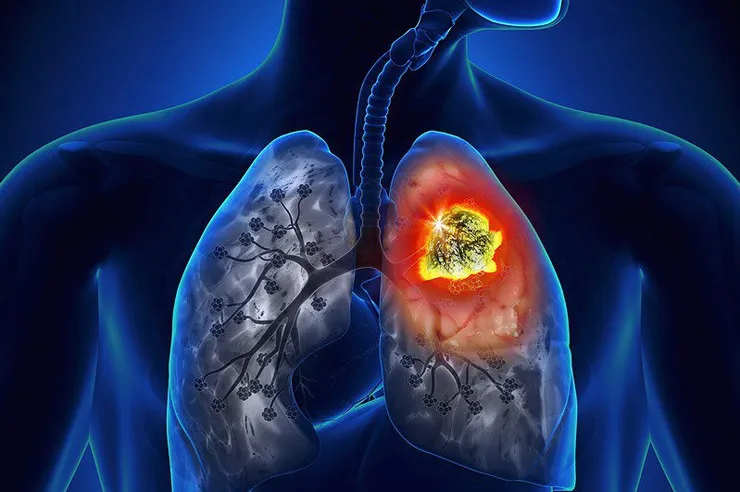
1. Persistent Cough
A cough that does not go away or becomes worse over time is one of the most common early signs of lung cancer. While coughs are often caused by infections or allergies, a cough lasting several weeks should be evaluated by a doctor.
2. Coughing Up Blood
Even small amounts of blood when coughing can be a warning sign that requires immediate medical attention. This symptom, known as hemoptysis, may indicate irritation or damage in the respiratory system.
3. Shortness of Breath
Difficulty breathing or feeling unusually breathless during everyday activities may occur if tumors affect airflow in the lungs or cause fluid buildup.
4. Chest Pain
Persistent chest pain that worsens when breathing deeply, coughing, or laughing may be another possible symptom. This pain may occur if cancer affects lung tissue or nearby structures.
5. Hoarseness
Changes in the voice, such as persistent hoarseness, may occur if tumors affect nerves controlling the vocal cords.
If hoarseness lasts for several weeks without improvement, medical evaluation may be necessary.
6. Frequent Lung Infections
Recurring respiratory infections such as bronchitis or pneumonia may sometimes indicate an underlying issue in the lungs.
Repeated infections may occur if a tumor blocks airways and traps bacteria.
7. Unexplained Weight Loss
Sudden or unexplained weight loss without changes in diet or exercise may occur in some people with cancer.
This happens because cancer can alter metabolism and increase the body’s energy demands.
8. Fatigue
Persistent fatigue that does not improve with rest may be another warning sign. Many people with serious illnesses experience extreme tiredness because the body is using energy to fight disease.
9. Loss of Appetite
A reduced desire to eat may accompany unexplained weight loss. Changes in metabolism and inflammation may contribute to appetite loss.
10. Wheezing
Wheezing or unusual sounds when breathing may occur if airways become partially blocked or inflamed.
Although wheezing is often associated with asthma or allergies, persistent wheezing should be checked by a healthcare professional.
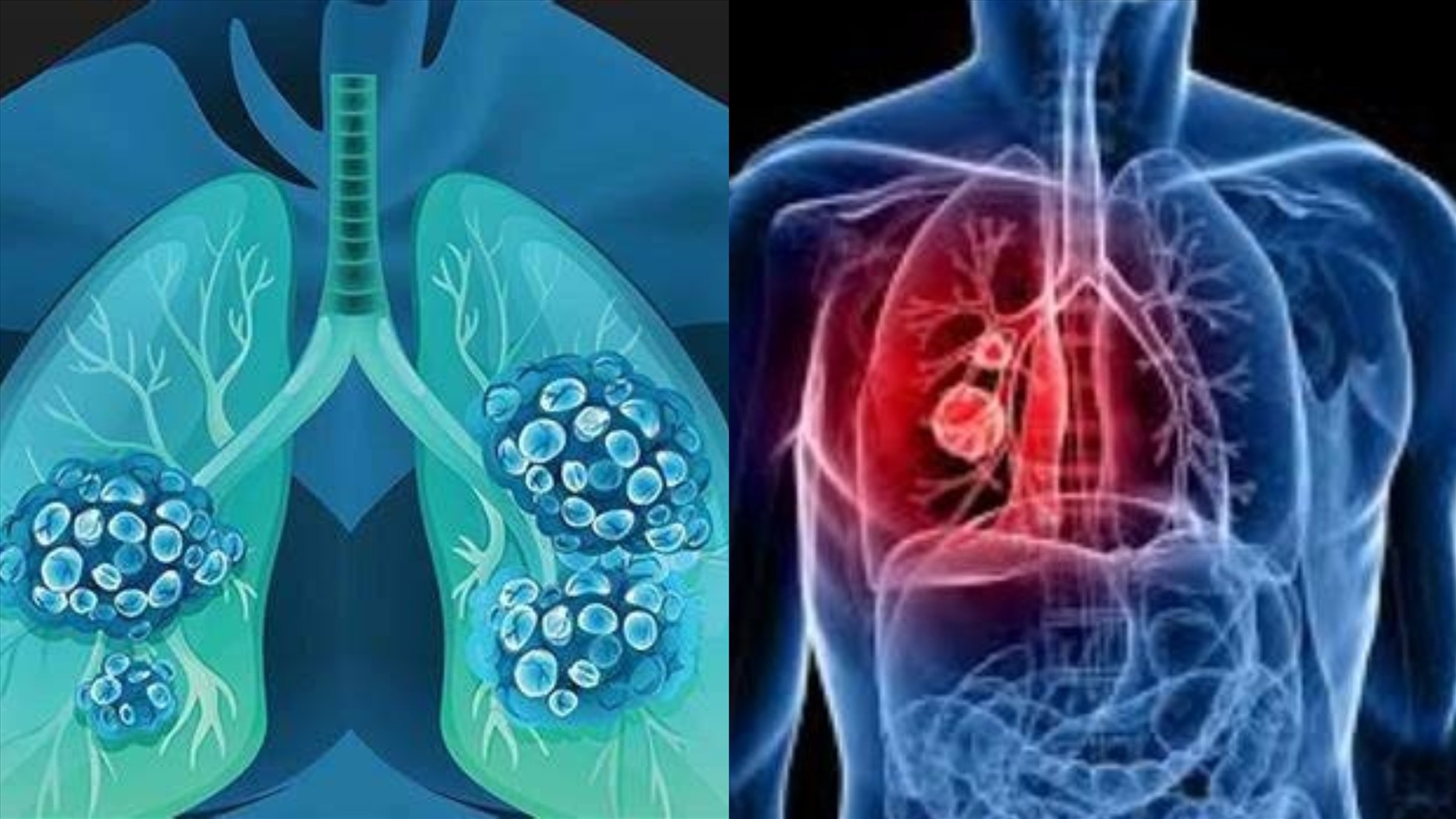
11. Shoulder or Back Pain
Pain in the shoulders or upper back can sometimes occur when tumors press on nerves or surrounding tissues.
Because these symptoms may appear far from the lungs, they are sometimes overlooked.
12. Swelling in the Face or Neck
Swelling in the face, neck, or upper chest may occur if a tumor interferes with blood flow in large veins near the lungs.
This symptom is less common but can indicate significant pressure on blood vessels.
13. Persistent Headaches
In some cases, headaches may occur if lung cancer spreads to the brain or affects blood flow.
Frequent or worsening headaches should always be evaluated by a medical professional.
14. Bone Pain
Pain in bones such as the ribs, spine, or hips may occur if cancer spreads to bone tissue.
Bone pain may feel deep, persistent, and worse at night.
15. Changes in Fingernails
Some individuals may notice unusual changes in their fingernails, such as widening or curving of the fingertips. This condition, sometimes referred to as finger clubbing, can be associated with certain lung conditions.
Who May Be at Higher Risk?
Although lung cancer can occur in anyone, certain factors increase the risk.
Common risk factors include:
-
Smoking tobacco
-
Exposure to secondhand smoke
-
Long-term exposure to air pollution
-
Exposure to radon gas
-
Occupational exposure to certain chemicals
-
Family history of lung cancer
People with these risk factors may benefit from regular medical checkups and screening.
The Importance of Early Detection
Early detection can significantly improve the chances of successful treatment. Medical tests such as imaging scans and lung screenings can help identify problems before symptoms become severe.
If symptoms persist or new changes appear in the body, seeking medical advice promptly can make an important difference.
Final Thoughts
Many early symptoms of lung cancer can resemble common respiratory conditions, which makes them easy to overlook. However, persistent cough, breathing difficulties, chest pain, unexplained weight loss, and other unusual symptoms should not be ignored.
Being aware of these warning signs and consulting healthcare professionals when necessary can help ensure early diagnosis and appropriate treatment. Paying attention to changes in the body is an important step toward protecting long-term health.