Why Do You Wake Up with Dry Mouth? Causes and Solutions
Do you often wake up with a dry, uncomfortable mouth? Do you immediately reach for a glass of water? Or notice a bad taste when you wake up in the morning?
If you answered yes, you may be experiencing dry mouth during sleep.
In this article, we’ll explore the causes of nighttime dry mouth, its possible effects on your health, and simple solutions to keep your mouth hydrated while you sleep.
Key Takeaways
-
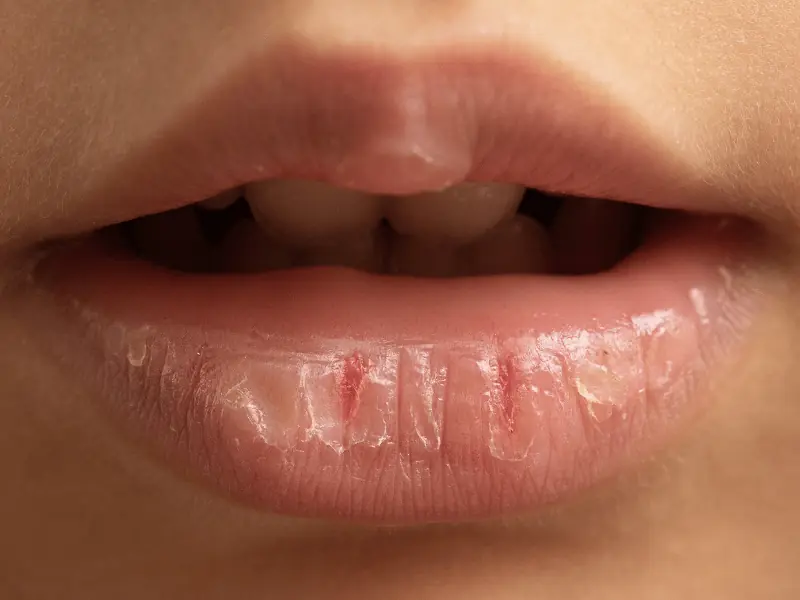
Sleeping with your mouth open or snoring can cause dry mouth.
-
Some medications (such as antidepressants, anti-anxiety drugs, or allergy medicines) may lead to dry mouth.
-
The condition is more common in older adults, especially those over 65.
-
Avoid spicy or acidic foods, caffeine, and alcohol before bedtime.
-
Staying hydrated and stimulating saliva production can help relieve symptoms.
What Is Dry Mouth?
Dry mouth, also known as xerostomia, occurs when your body doesn’t produce enough saliva to keep your mouth moist.
It can sometimes happen temporarily when you’re stressed or nervous. However, when dry mouth occurs frequently or lasts for a long time, it may cause problems such as:
-
Difficulty chewing
-
Difficulty swallowing
-
Difficulty speaking
A lack of saliva can also increase the risk of tooth decay and gum disease, because saliva normally helps control bacteria in the mouth.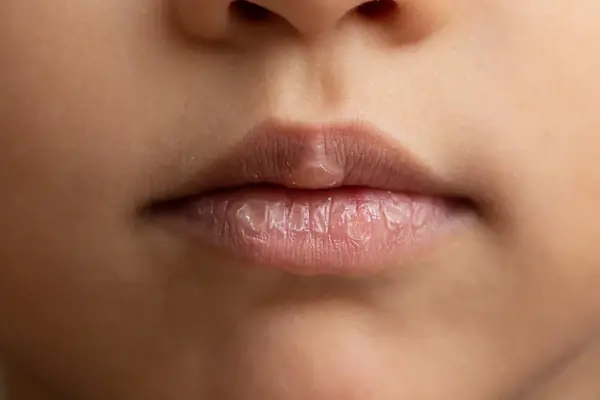
Common Symptoms of Dry Mouth
People with dry mouth may experience:
-
Sore throat
-
Dry tongue
-
Difficulty swallowing
-
Difficulty speaking
-
Bad taste in the mouth
-
Hoarseness
-
Bad breath
What Causes Dry Mouth When You Wake Up?
There are several possible reasons why you wake up with a dry mouth.
1. Mouth Breathing or a Blocked Nose
Sleep habits can play a major role. If you sleep with your mouth open or have a blocked nose, you may breathe through your mouth during the night.
This causes saliva to evaporate more quickly, leaving your mouth dry.
Dry mouth is also common in people with sleep apnea, a condition that causes breathing interruptions during sleep.
2. Medications
Dry mouth is a common side effect of many medications, including:
-
Allergy medications
-
Antidepressants
-
ADHD stimulant medications
-
Anxiety medications
-
Pain medications
These medications can affect the salivary glands, reducing saliva production.
3. Underlying Health Conditions
Certain medical conditions may contribute to dry mouth, such as:
-
Diabetes
-
Stroke
-
Alzheimer’s disease
For example, people with diabetes may experience frequent urination and dehydration, which can lead to dry mouth.
4. Tobacco and Alcohol
Both alcohol and tobacco can worsen dry mouth.
-
Alcohol can dehydrate the body and irritate the mouth.
-
Smoking or tobacco use can reduce saliva flow and harm oral health.
5. Cancer Treatments
Some cancer treatments, especially radiation therapy to the head and neck, can damage the salivary glands.
Chemotherapy may also cause inflammation in the glands, leading to reduced saliva production.
6. Aging
Dry mouth becomes more common with age.
Research suggests that:
-
About 30% of adults over 65
-
Nearly 40% of adults over 80
experience dry mouth. This is often due to taking multiple medications at the same time.
Solutions to Help Relieve Dry Mouth

Dry mouth can be uncomfortable, but several simple steps may help.
1. Drink More Water
Take frequent sips of water throughout the day, especially during meals.
2. Chew Sugar-Free Gum
Chewing gum can stimulate saliva production.
3. Try Saliva Substitutes
Over-the-counter sprays or gels containing xylitol can help keep your mouth moist.
4. Use a Humidifier
A humidifier adds moisture to the air, which can help if you breathe through your mouth during sleep.
5. Suck on Ice Cubes
Ice cubes or sugar-free ice pops may help increase saliva flow.
6. Use Lip Balm
Lip balm can help soothe dry or cracked lips caused by dry mouth.
When to See a Doctor
If your dry mouth:
-
Is severe or persistent
-
Makes it hard to eat or swallow
-
Happens frequently
you should consult a doctor or dentist for proper evaluation and treatment.
Conclusion
Waking up with a dry mouth is more than just an annoyance. It can affect your comfort, sleep quality, and oral health.
Whether it’s caused by mouth breathing, medications, aging, or underlying health conditions, staying hydrated and making small lifestyle changes can help reduce the problem.
If the symptoms continue, seeking professional medical advice can help identify the underlying cause and provide effective treatment.