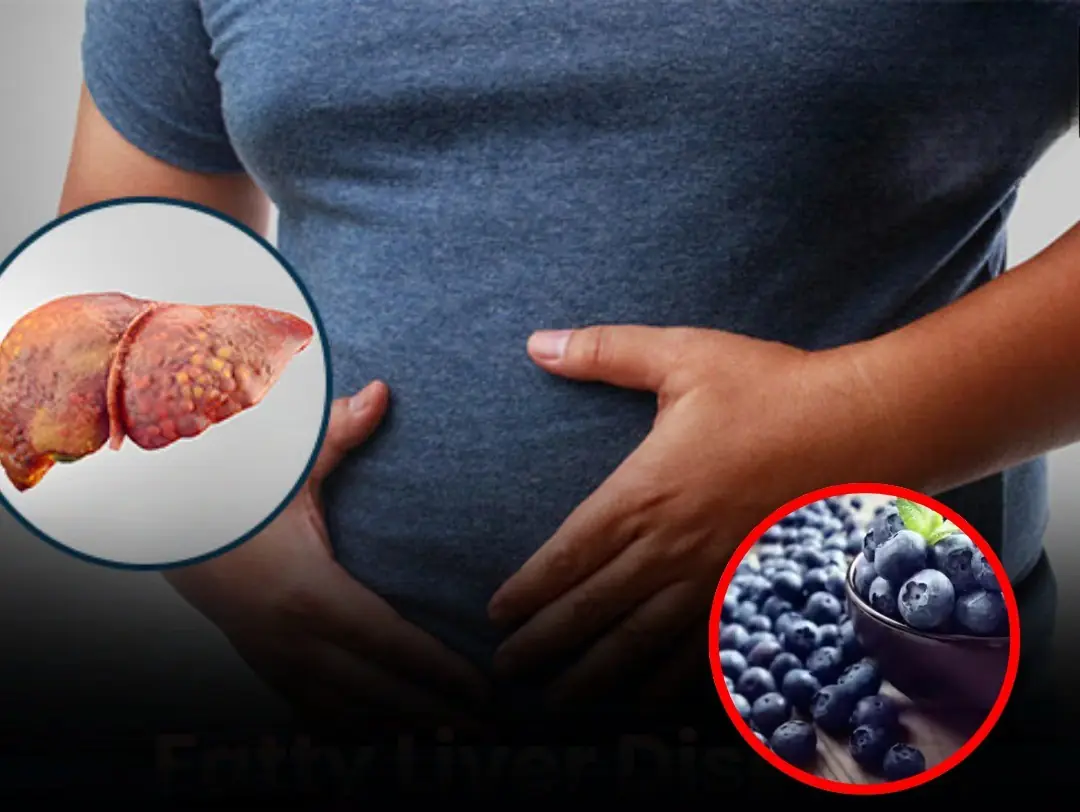
Understanding the Role of Diet in Fatty Liver and Metabolic Health
Non-alcoholic fatty liver disease develops when excess fat accumulates in liver cells, often alongside insulin resistance and abnormal lipid profiles. Over time, this imbalance can interfere with glucose regulation and cholesterol metabolism. Dietary patterns that emphasize fiber, antioxidants, and bioactive plant compounds are strongly associated with improved liver enzymes and metabolic outcomes, not because they “cure” disease, but because they reduce inflammation and oxidative stress.
This is where fruit—often misunderstood because of its natural sugar content—deserves a more nuanced discussion.
Fruit #1: Blueberries — Small Fruit, Powerful Impact
Blueberries are one of the most extensively studied fruits in nutritional science, particularly for their high concentration of anthocyanins, a class of antioxidants responsible for their deep blue color. These compounds have been linked to reduced oxidative stress and improved insulin sensitivity in multiple clinical and observational studies.
For liver health, oxidative stress plays a key role in the progression of fatty liver disease. By neutralizing free radicals, blueberries may help reduce cellular damage in liver tissue. Additionally, regular blueberry consumption has been associated with improvements in LDL cholesterol levels and markers of inflammation, both of which are relevant to metabolic syndrome.
Importantly, blueberries have a relatively low glycemic load compared to many sweet snacks, making them easier to incorporate into diets focused on blood sugar stability.
Fruit #2: Apples — Fiber That Works From the Inside Out
Apples are often overlooked because they seem ordinary, yet their nutritional profile is uniquely suited for metabolic support. Rich in soluble fiber, particularly pectin, apples help slow glucose absorption in the gut, which can reduce post-meal blood sugar spikes.
Pectin also binds to bile acids in the digestive tract, encouraging the body to use circulating cholesterol to produce more bile. Over time, this mechanism can contribute to modest reductions in total and LDL cholesterol levels.
From a liver perspective, fiber supports gut health, which is increasingly recognized as a key factor in liver function. A healthier gut microbiome reduces endotoxin exposure, lowering inflammatory signals that can worsen fatty liver progression.
Fruit #3: Grapefruit — A Cautious but Promising Option
Grapefruit contains flavonoids such as naringenin, compounds that have been studied for their potential role in fat metabolism and insulin regulation. Some research suggests that naringenin may help improve liver fat metabolism and reduce oxidative stress, making grapefruit an interesting option for metabolic health.
However, grapefruit also interacts with certain medications by affecting liver enzymes responsible for drug metabolism. For this reason, grapefruit should not be considered universally appropriate, and individuals taking prescription medications should consult healthcare professionals before regular consumption.
When appropriate, moderate grapefruit intake may support cholesterol balance and glucose control, particularly when replacing high-sugar desserts or processed snacks.
What These Fruits Have in Common
Despite their differences, blueberries, apples, and grapefruit share several important characteristics:
-
High antioxidant content, which helps reduce oxidative stress
-
Dietary fiber, supporting glucose regulation and cholesterol metabolism
-
Low energy density, making them suitable for weight management
-
Minimal processing, preserving bioactive compounds
These qualities matter because fatty liver disease and metabolic imbalance are driven less by single nutrients and more by overall dietary patterns.
What Fruit Cannot Do
It is critical to clarify what fruit does not do. Fruit alone does not “cleanse” the liver, eliminate fat deposits overnight, or replace medical treatment. Scientific evidence supports fruit as a supportive dietary component, not a standalone therapy.
Overconsumption, especially in juice form, can contribute to excess calorie and sugar intake, which may counteract potential benefits. Balance remains essential..jpg)
How to Incorporate These Fruits Responsibly
-
Choose whole fruits over juices
-
Pair fruit with protein or healthy fats to slow sugar absorption
-
Rotate varieties to avoid dietary monotony
-
Use fruit as a replacement for refined sweets, not an addition
This approach aligns with evidence-based dietary strategies used in managing metabolic conditions..jpg)
A Science-Based Perspective
The idea that specific fruits can support liver health and metabolic regulation is not marketing—it is grounded in nutritional science. However, the benefits emerge over time, through consistency and context, not quick fixes.
When integrated into a balanced diet, fruits like blueberries, apples, and grapefruit can support the liver’s natural functions, help regulate blood sugar, and contribute to healthier cholesterol levels—quietly, steadily, and realistically.