A Simple Trick to Make Blunt Scissors Sharp Again Without Using a Sharpening Stone
Scissors are one of the most commonly used tools in every home. From cutting paper and fabric to opening packages or trimming plants, they serve countless everyday purposes. However, after frequent use, scissors can gradually lose their sharpness. When this happens, cutting becomes difficult, uneven, and sometimes frustrating.
Many people believe that once scissors become dull, the only solution is to use a sharpening stone or buy a new pair. In reality, there are simple household techniques that can help restore the sharpness of scissors quickly and effectively. These tricks require minimal effort and often use items that are already available at home.
Below is a practical method that can help revive dull scissors and make them feel almost as sharp as when they were new.
Why Scissors Become Blunt Over Time
Before learning how to fix dull scissors, it helps to understand why they lose their cutting power in the first place.
Every time scissors are used, the metal edges experience friction and pressure. Over time, this causes the fine cutting edge to wear down or develop tiny irregularities. Cutting tough materials such as cardboard, plastic packaging, or thick fabric can accelerate this process.
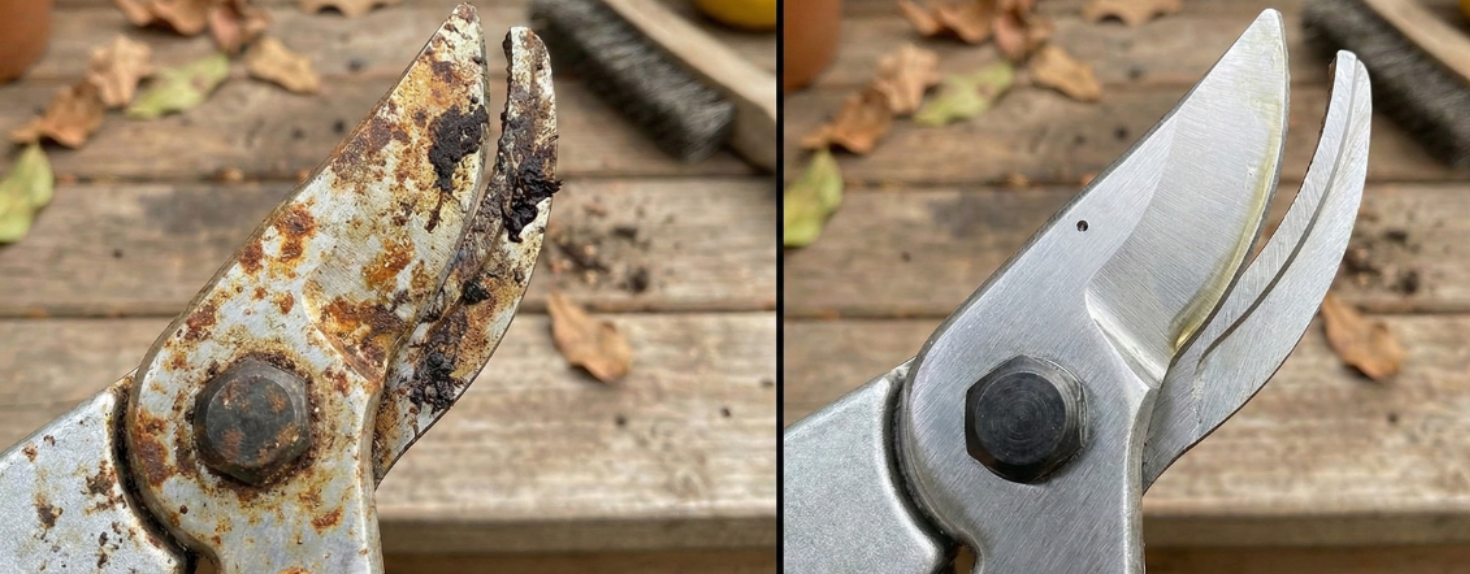
Rust can also contribute to dullness. When metal blades are exposed to moisture, oxidation may occur, which roughens the cutting surface and reduces efficiency.
Fortunately, mild dullness can often be corrected with simple sharpening techniques.


The Aluminum Foil Method
One of the easiest ways to sharpen scissors at home involves ordinary aluminum foil. This simple method works because the foil gently polishes and smooths the blade edges as they cut through it repeatedly.
How to do it:
-
Take a sheet of aluminum foil and fold it several times until it becomes thick.
-
Hold the folded foil firmly.
-
Use the scissors to cut through the foil repeatedly, making about 10–20 cuts.
-
After finishing, wipe the blades clean with a soft cloth.
As the scissors slice through the layers of foil, the metal edges become slightly polished, which can restore some sharpness.
This technique works best for scissors that are mildly dull but not severely damaged.
The Sandpaper Technique
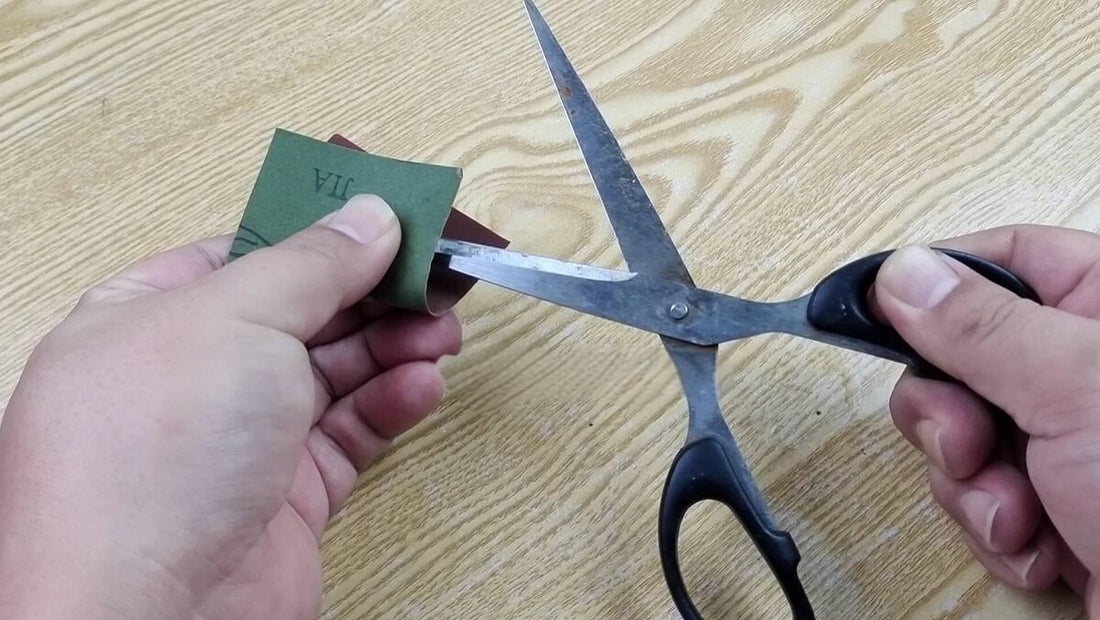
Another effective method uses fine-grit sandpaper. Sandpaper contains abrasive particles that can gently refine the blade edges.
Steps to follow:
-
Take a small piece of fine sandpaper (around 150–200 grit).
-
Fold it so that the rough surface faces outward.
-
Cut through the sandpaper several times using the scissors.
-
Clean the blades afterward with a cloth.
The abrasive surface slightly reshapes the cutting edge, improving its ability to slice through materials.


Using a Glass Jar Edge
A surprisingly effective trick involves using the rim of a glass jar or bottle.
The glass surface acts as a mild abrasive that can realign the cutting edges.
How it works:
-
Open the scissors slightly.
-
Place the glass jar rim between the blades.
-
Gently close the scissors as if you are cutting the jar edge.
-
Repeat several times.
This method can help smooth out small irregularities along the blades and restore cutting efficiency.
Cleaning and Maintaining the Blades
Sometimes scissors feel dull simply because dirt, adhesive residue, or rust has accumulated along the blades.
Cleaning them properly can improve performance.
Try the following steps:
-
Wipe the blades with warm soapy water to remove grime.
-
Use white vinegar to dissolve light rust.
-
Dry the scissors completely after cleaning.
-
Apply a small drop of oil to the pivot screw to keep the movement smooth.
Regular maintenance prevents buildup that can interfere with sharp cutting.


When Professional Sharpening Is Needed
While home methods can restore mild dullness, severely worn or damaged scissors may require professional sharpening.
Professional services use specialized grinding equipment to restore the blade angle precisely. This is especially important for high-quality fabric scissors, hairdressing scissors, or tailoring shears, where precision is critical.
If scissors continue to struggle even after home sharpening attempts, professional servicing may be the best option.
Tips to Keep Scissors Sharp Longer
Proper use and storage can significantly extend the life of scissors.
Some useful habits include:
-
Use scissors only for their intended materials.
-
Avoid cutting hard objects such as metal or thick plastic.
-
Keep scissors dry to prevent rust.
-
Store them in a clean, protected place.
Taking these precautions helps preserve the blade edges and maintain cutting efficiency.
Final Thoughts
Dull scissors can make even simple tasks feel difficult, but replacing them is not always necessary. With simple household tricks such as cutting aluminum foil, sandpaper, or using a glass jar edge, it is possible to restore much of their original sharpness in just a few minutes.
Regular cleaning, proper use, and occasional maintenance can keep scissors functioning effectively for years. Sometimes the most practical solutions are also the simplest—and a small trick like this can save both time and money in everyday life.