The Lines on Your Hand May Say More Than You Think
For centuries, people have looked at the lines on their palms and wondered whether they carry deeper meaning. In many cultures, palm reading—also known as palmistry—has been used as a way to explore personality, emotions, and even possible life paths.
While interpretations vary, many believe that the lines on your hand can reflect different aspects of who you are.
What Are Palm Lines Really About?
Palm lines are the natural creases formed on your hands. In palmistry, these lines are thought to symbolize different areas of life such as love, health, intellect, and destiny.
The practice suggests that by observing these lines carefully, one can gain insight into a person’s inner world and life experiences.
The Three Major Lines Everyone Has
Most hands contain three primary lines that are commonly analyzed:
1. The Life Line
This line curves around the base of the thumb and is often associated with vitality and overall well-being—not the length of life as many people assume.
A deep, clear line may suggest strong energy, while a faint or broken line can reflect changes or challenges.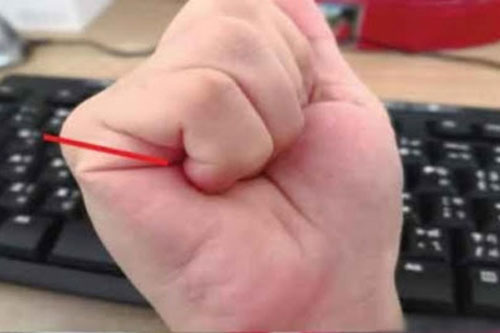
2. The Heart Line
Located near the top of the palm, the heart line relates to emotions and relationships.
Its shape and length are believed to indicate how a person experiences love, connection, and emotional balance.
3. The Head Line
The head line represents thinking style and intellectual tendencies.
It can reflect whether someone is more logical, creative, or intuitive in their approach to life.
Other Lines That Add More Detail
Beyond the main three, additional lines may appear:
- Fate line: Linked to career path and life direction
- Sun line: Associated with success and recognition
- Marriage lines: Said to relate to relationships
Not everyone has all of these lines, and their presence or absence is often interpreted differently.
Do Palm Lines Change Over Time?
One interesting belief is that palm lines are not fixed.
They may shift or become more defined as a person grows and experiences life. This idea suggests that destiny is not completely set, but influenced by choices and circumstances.
A Blend of Tradition and Interpretation
Palmistry is not considered a science, but rather a traditional and symbolic practice.
For many, it serves as:
- A tool for self-reflection
- A way to explore personality
- A source of curiosity about life’s direction
It does not provide definite answers, but it can offer perspectives that people find meaningful.
Conclusion
The lines on your hands may not determine your future, but they continue to fascinate people around the world.
Whether seen as symbolic or insightful, they invite us to look closer—not just at our hands, but at ourselves.
Sometimes, the smallest details can spark the biggest questions.