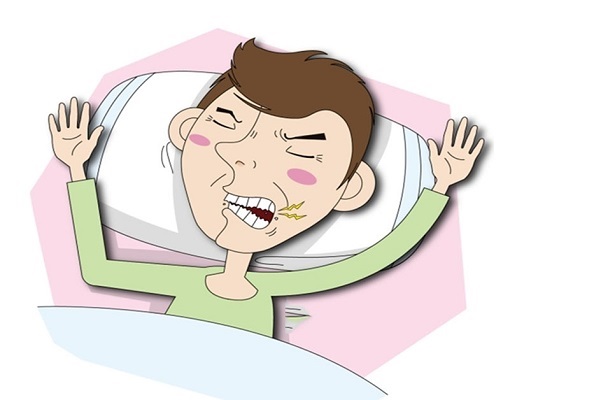
Many people are surprised to learn that they grind their teeth while sleeping. Often, the condition is discovered only after a dentist notices unusual wear on the teeth or when a partner hears the grinding sound at night. This behavior, known medically as sleep bruxism, is more common than many people realize.
While occasional teeth grinding may not cause significant harm, frequent or severe grinding can lead to dental damage, jaw discomfort, and disrupted sleep. Understanding why teeth grinding happens and when it may indicate an underlying health issue can help people address the problem early and protect their oral health.
What Is Sleep Bruxism?
Sleep bruxism refers to the involuntary grinding, clenching, or gnashing of teeth during sleep. Unlike daytime teeth clenching, which people may notice and control, sleep bruxism occurs unconsciously.
This condition can involve:
-
Grinding the upper and lower teeth together
-
Clenching the jaw tightly
-
Repetitive jaw movements during sleep
Some people grind their teeth occasionally, while others experience it regularly.

How Common Is Teeth Grinding?
Teeth grinding is relatively common among both children and adults. Studies suggest that a noticeable percentage of adults experience sleep bruxism at some point in their lives.
Children may also grind their teeth, especially when their teeth are developing. In many cases, the habit disappears as they grow older.
For adults, however, persistent grinding may sometimes indicate stress, sleep disturbances, or other underlying factors.
Possible Causes of Teeth Grinding During Sleep
There is no single cause of sleep bruxism. Instead, it is often linked to a combination of physical, psychological, and lifestyle factors.
Stress and Anxiety
One of the most common factors associated with teeth grinding is stress. Emotional tension and anxiety can lead to muscle tightening, including the muscles of the jaw.
When people go to sleep with unresolved stress, the body may continue to release that tension during the night, resulting in grinding or clenching.
People experiencing high levels of stress may also notice daytime jaw clenching or headaches.
Sleep Disorders
Teeth grinding is sometimes associated with certain sleep-related conditions. For example, individuals with sleep apnea or other breathing disturbances may experience bruxism during sleep.
In these cases, grinding may occur as the body reacts to brief interruptions in breathing or changes in sleep stages.
Because sleep quality affects many aspects of health, persistent grinding accompanied by poor sleep may require medical evaluation.
Misaligned Teeth or Bite Problems
Dental alignment can also contribute to teeth grinding. When the upper and lower teeth do not fit together properly, the jaw muscles may attempt to adjust during sleep.
This misalignment can sometimes trigger grinding movements as the body tries to find a comfortable resting position for the jaw.
Dentists often examine bite alignment when evaluating cases of bruxism.

Lifestyle Factors
Certain lifestyle habits may increase the likelihood of teeth grinding. These can include:
-
High caffeine consumption
-
Alcohol intake
-
Smoking
-
Irregular sleep patterns
These factors may influence the nervous system and sleep quality, potentially increasing nighttime jaw activity.
Signs and Symptoms of Sleep Bruxism
Many people who grind their teeth during sleep are unaware of it. However, several signs may indicate the presence of bruxism.
Common symptoms include:
-
Worn, flattened, or chipped teeth
-
Jaw pain or tightness in the morning
-
Headaches, especially around the temples
-
Tooth sensitivity
-
Clicking or discomfort in the jaw joint
In some cases, partners or family members may notice the grinding sound before the person experiencing it becomes aware.
When Teeth Grinding May Be a Warning Sign
Occasional teeth grinding is not necessarily harmful. However, when it occurs frequently or intensely, it may lead to complications.
Long-term bruxism can cause:
-
Tooth enamel wear
-
Cracked teeth
-
Jaw joint problems (TMJ disorders)
-
Facial muscle pain
-
Interrupted sleep patterns
If these symptoms appear regularly, it is important to consult a dental or healthcare professional for evaluation.
How Dentists Diagnose Bruxism
Dentists often detect signs of teeth grinding during routine dental examinations. They may look for unusual wear patterns on the teeth or signs of jaw strain.
In some cases, additional evaluation may be recommended if sleep disorders are suspected.
Early diagnosis can help prevent further damage to teeth and improve overall oral health.
Managing Teeth Grinding
Treatment approaches depend on the severity of the condition and its underlying causes.
Night Guards
One of the most common solutions is a custom dental night guard, which protects the teeth from grinding during sleep.
Stress Management
Because stress is a common trigger, relaxation techniques such as meditation, breathing exercises, and regular physical activity may help reduce nighttime grinding.
Improving Sleep Habits
Establishing consistent sleep routines and limiting caffeine before bedtime may also support healthier sleep patterns.
Dental Adjustments
In some cases, dental treatments may help correct bite alignment issues contributing to bruxism.
Final Thoughts
Grinding teeth during sleep is a fairly common behavior, but it can sometimes signal underlying stress, sleep disturbances, or dental issues. While occasional grinding may not cause serious problems, persistent bruxism can lead to tooth damage and discomfort over time.
Recognizing the signs and seeking professional advice when symptoms appear can help prevent complications and support better oral health. By addressing both lifestyle factors and dental care, many people can successfully manage teeth grinding and enjoy healthier, more comfortable sleep.