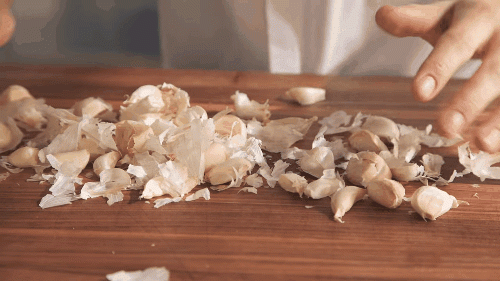
Garlic is one of the most widely used ingredients in kitchens around the world. Its strong aroma and distinctive flavor make it a staple in countless dishes. While most people focus on the garlic cloves themselves, the thin papery layers that cover the cloves—known as garlic skins—are usually discarded without a second thought.
However, these seemingly useless peels actually have several surprising uses. From cooking and gardening to household applications, garlic skins can serve practical purposes that many people overlook. Instead of throwing them away, learning how to reuse garlic skins can help reduce waste while adding value to everyday routines.
Below are several unexpected uses of garlic skins that might change the way you view this humble kitchen byproduct.
Garlic Skins Can Add Flavor to Broths and Soups
One of the easiest ways to use garlic skins is by adding them to homemade broths or soups. Although the skins themselves are not typically eaten, they can still contribute subtle flavor during the cooking process.
When simmered in water alongside vegetables, herbs, and bones, garlic skins release mild aromatic compounds that enhance the overall depth of the broth. After cooking, the skins can simply be strained out along with other solid ingredients.
This method allows you to extract additional flavor from garlic that would otherwise be thrown away.
A Natural Source of Antioxidants
Garlic skins contain small amounts of natural plant compounds, including antioxidants. Antioxidants help protect cells from damage caused by oxidative stress.
Some research suggests that the outer layers of garlic may contain phenolic compounds, which are associated with antioxidant activity. While garlic skins are not usually consumed directly, incorporating them into broths or infusions can allow some of these compounds to be released into food.
Although the quantities are small, this highlights that garlic skins may still have nutritional value.
Helpful for Composting
Garlic skins are excellent additions to compost piles. Because they are organic plant material, they break down naturally and contribute nutrients to the soil.
Adding garlic peels to compost can help enrich garden soil by providing carbon-based organic matter. Over time, microorganisms break down the peels into nutrient-rich compost that supports plant growth.
For people who maintain home gardens, composting garlic skins is a simple way to reduce food waste while improving soil health.
Natural Pest Deterrent in the Garden
Garlic has long been known for its strong smell, which some insects find unpleasant. Because garlic skins still carry traces of garlic’s natural compounds, they may help deter certain garden pests.
Gardeners sometimes scatter garlic peels around plants or mix them into the soil. While this method is not guaranteed to eliminate pests, it may contribute to a less attractive environment for some insects.
Using natural plant materials in gardening can be a gentle alternative to chemical treatments.
Useful for Making Homemade Seasoning Infusions
Another creative use for garlic skins is in homemade oil or vinegar infusions. The skins contain aromatic compounds that can subtly flavor liquids during the infusion process.
For example, garlic skins can be added to vinegar along with herbs such as thyme or rosemary. After a period of steeping, the mixture can develop a mild savory aroma that works well in salad dressings or marinades.
As with any infusion, the mixture should be properly strained before use.
A Sustainable Approach to Kitchen Waste
One of the biggest advantages of using garlic skins is that it encourages waste reduction in the kitchen. Food waste is a growing global concern, and small changes in daily habits can help minimize unnecessary disposal.
By finding secondary uses for ingredients that are usually discarded, households can make better use of the resources already available in the kitchen.
Reusing garlic skins in broths, compost, or garden applications is a simple example of sustainable cooking practices.
Creative Household Uses
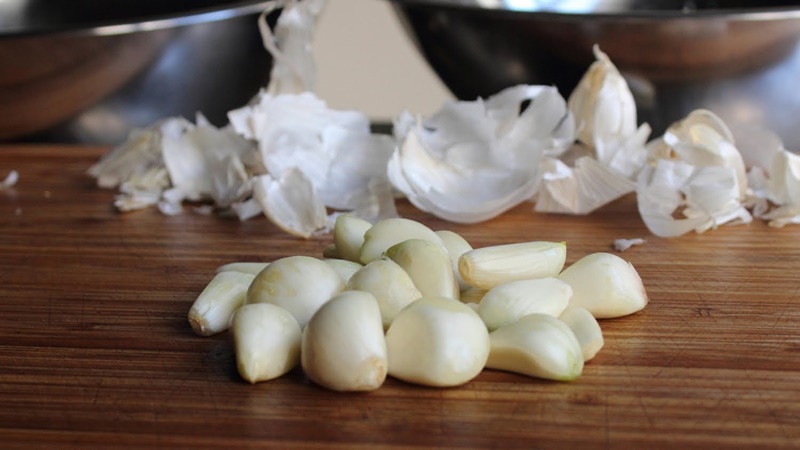
Some people also experiment with garlic skins in natural household practices. Because of their mild aromatic qualities, dried garlic skins may be used in homemade potpourri blends together with other natural ingredients such as dried citrus peels or herbs.
While the scent of garlic itself is strong, once dried and combined with other materials, the aroma can become more subtle.
These creative uses highlight the versatility of ingredients that are often overlooked.
Things to Keep in Mind
Although garlic skins have useful applications, there are a few things to consider:
-
Garlic skins are generally not eaten directly due to their tough texture.
-
They should always be cleaned and free from dirt before being reused.
-
When using them in cooking, they should be strained out before serving.
Following these simple precautions ensures that garlic skins can be used safely and effectively.
Final Thoughts
Garlic skins may appear insignificant, but they can serve several surprising purposes beyond the trash bin. Whether enhancing homemade broths, enriching compost, supporting gardening practices, or contributing to sustainable cooking habits, these thin papery layers have more value than most people realize.
By rethinking how we use everyday ingredients, we can reduce waste and make better use of the resources already present in our kitchens. Sometimes the most overlooked items like garlic skins can offer small yet meaningful benefits when given a second chance.