Gas stoves are one of the most frequently used appliances in the kitchen. Over time, exposure to moisture, cooking spills, and heat can cause certain parts of the stove—especially metal surfaces or burner grates—to develop rust. Rust not only makes the stove look old and dirty, but it can also reduce the lifespan of the appliance if left untreated.
Many people immediately think of using strong chemical cleaners to remove rust. However, there are several effective methods that rely only on common kitchen ingredients. These natural solutions can help remove rust stains and restore shine to your stove without exposing your home to harsh chemicals.
Below are some simple and practical techniques that can help clean rust from gas stoves using ingredients that are often already available in the kitchen.

Why Rust Forms on Gas Stoves
Rust forms when metal reacts with oxygen and moisture over time. In kitchens, water splashes, humidity, and food spills create conditions that encourage rust to develop.
Areas that are frequently exposed to water—such as burner grates, stove frames, or metal supports—are especially vulnerable. If these areas are not dried properly after cleaning, rust can appear gradually.
Regular cleaning and proper drying are key steps in preventing rust buildup.
Using Baking Soda and Water
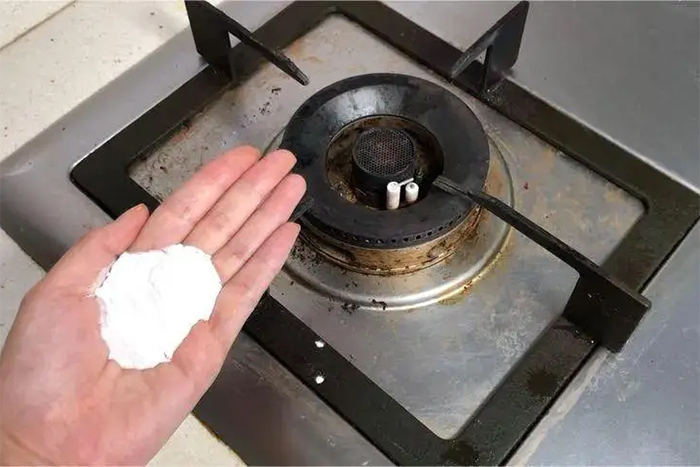
Baking soda is a mild abrasive that can help remove rust without damaging metal surfaces. It is one of the most commonly used natural cleaning ingredients.
To use this method, mix baking soda with a small amount of water to form a thick paste. Apply the paste directly onto the rusty area and allow it to sit for about 15–20 minutes.
Afterward, gently scrub the area using a soft brush or sponge. The baking soda helps loosen rust particles and lift them from the surface.
Finally, wipe the area clean with a damp cloth and dry it thoroughly.
Cleaning with Lemon and Salt
Lemon juice contains natural acids that can help break down rust. When combined with salt, it forms a powerful natural cleaning mixture.
First, sprinkle a layer of salt over the rusty area. Then squeeze fresh lemon juice onto the salt until it becomes slightly wet.
Allow the mixture to sit for about 20–30 minutes. The acidity of the lemon helps dissolve rust, while the salt acts as a gentle scrubbing agent.
After the waiting period, scrub the surface lightly and rinse with water before drying the stove completely.
Using Vinegar for Rust Removal
White vinegar is another common kitchen ingredient that works well for removing rust. Its mild acidity helps break down oxidation on metal surfaces.
Pour a small amount of vinegar directly onto the rusty area or soak a cloth with vinegar and place it over the stain. Let it sit for around 15 minutes so the vinegar can penetrate the rust.
Afterward, scrub the area gently using a sponge or brush. Wipe the surface clean with water and dry it thoroughly.
This method is especially effective for light rust stains.
Potato and Baking Soda Method
Although it may sound unusual, a potato can also be used to help remove rust. Potatoes contain oxalic acid, which may assist in breaking down rust particles.
Cut a potato in half and dip the cut surface into baking soda. Rub the potato directly onto the rusty area while applying light pressure.
The combination of potato juice and baking soda helps loosen rust and polish the metal surface.
Once finished, wipe the stove with a damp cloth and dry it well.
Restoring Shine with Cooking Oil
After removing rust, applying a small amount of cooking oil can help restore shine to metal parts of the stove.
Place a few drops of oil on a clean cloth and gently rub it over the metal surface. This creates a thin protective layer that can help slow future rust formation.
Be sure to use only a small amount of oil and avoid areas that come into direct contact with flames.
Preventing Rust from Returning
Preventing rust is easier than removing it. After cleaning your gas stove, always dry metal surfaces thoroughly to remove moisture.
Regularly wiping the stove after cooking can prevent food spills and water from accumulating.
In humid environments, keeping the kitchen well ventilated can also help reduce moisture levels that contribute to rust formation.
Simple maintenance habits can significantly extend the life of your stove.
Safety Tips During Cleaning
Before cleaning a gas stove, always ensure that the stove is turned off and completely cool. Remove burner grates or detachable parts if possible so they can be cleaned separately.
Avoid using extremely rough tools such as steel wool that may scratch delicate surfaces. Gentle scrubbing methods are usually enough to remove rust without damaging the stove.
Working carefully helps maintain both the appearance and functionality of the appliance.
Conclusion
Rust on gas stoves is a common problem, but it can often be removed using simple kitchen ingredients such as baking soda, lemon, salt, vinegar, or even potatoes. These natural methods help loosen rust stains and restore shine without the need for harsh chemical cleaners.
By combining these cleaning techniques with regular maintenance and proper drying, homeowners can keep their gas stoves looking clean, shiny, and well maintained for years. Small and consistent care can make a significant difference in preserving kitchen appliances and maintaining a pleasant cooking environment.