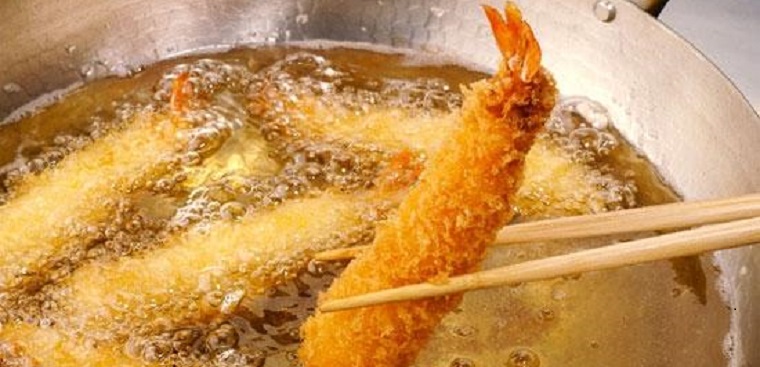
Frying is one of the most common cooking methods used in kitchens around the world. From eggs and vegetables to meat and seafood, frying helps create delicious textures and rich flavors. However, one problem that many people encounter when frying food is that it sticks to the pan. When food sticks, it can break apart, burn easily, and make cleaning the pan much more difficult.
Fortunately, preventing food from sticking while frying is not complicated. With a few simple techniques and proper preparation, you can improve your cooking results and make the frying process much smoother. Understanding how heat, oil, and cookware work together is the key to successful frying.
Below are several easy kitchen tips that can help prevent food from sticking to the pan.
Preheat the Pan Properly
One of the most important steps before frying food is properly heating the pan. If the pan is not hot enough when food is added, the food is more likely to stick to the surface.
When a pan is heated to the correct temperature, a thin layer of heat forms between the pan and the food. This helps create a natural barrier that reduces sticking.
To test whether the pan is ready, you can sprinkle a few drops of water onto the surface. If the droplets sizzle and move around quickly, the pan is hot enough for cooking.
Allowing the pan to heat for a short time before adding oil can make a noticeable difference.
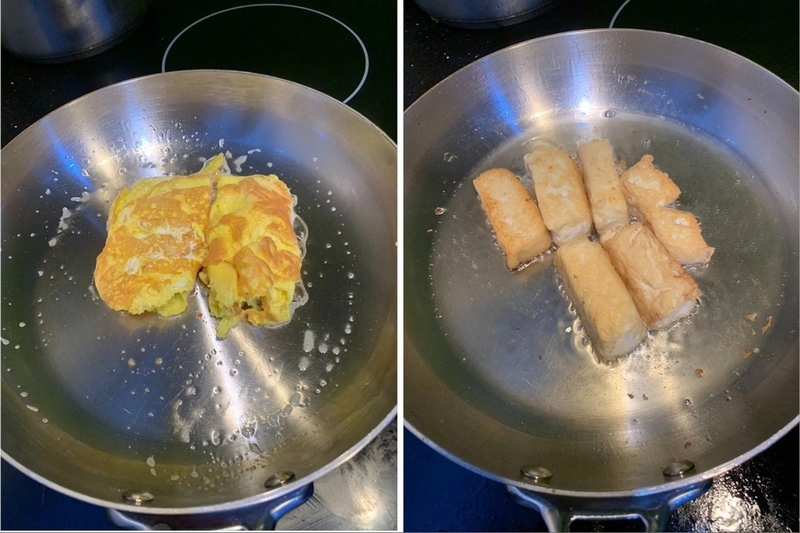
Add Oil at the Right Time
After preheating the pan, the next step is to add cooking oil. Oil acts as a lubricant that helps prevent food from attaching to the pan’s surface.
Once the oil is added, allow it to heat slightly before placing food in the pan. Warm oil spreads evenly across the surface and helps create a protective layer between the food and the pan.
It is also important to use enough oil to lightly coat the pan. Too little oil may increase the chances of sticking.
Choose the Right Type of Pan
The type of cookware you use can greatly affect how food cooks. Some pans are designed specifically to reduce sticking.
Non-stick pans are commonly used because they have special coatings that help prevent food from attaching to the surface. Stainless steel pans can also work well if they are properly heated and used with sufficient oil.
Well-seasoned cast iron pans are another excellent option. Over time, cast iron develops a natural non-stick surface when used and maintained correctly.
Choosing quality cookware can make frying much easier.
Make Sure Food Is Dry Before Frying
Moisture is one of the main causes of food sticking to a pan. If food contains excess water, it may steam instead of fry, which can cause it to stick.
Before frying meat, fish, or vegetables, gently pat them dry using a paper towel. Removing excess moisture helps food brown properly and reduces sticking.
This step is particularly important when cooking foods that have been washed or thawed.
Avoid Moving Food Too Quickly
Another common mistake is moving food around too soon after placing it in the pan. When food is first added, it naturally sticks slightly while a crust forms on the surface.
If you try to flip or move the food too early, it may tear or break apart. Instead, allow the food to cook undisturbed for a short period.
Once a golden crust develops, the food will often release naturally from the pan and can be flipped more easily.
Patience during cooking helps improve results.

Use the Right Amount of Heat
Heat control is essential when frying. If the temperature is too low, food may stick because it does not cook quickly enough. If the heat is too high, food may burn before it releases from the pan.
Medium or medium-high heat is often ideal for most frying tasks. This temperature allows the food to cook evenly and develop a good texture.
Adjusting heat levels throughout the cooking process can help maintain consistent results.
Season and Maintain Your Cookware
Proper care of your cookware also helps prevent sticking. For example, cast iron pans should be seasoned regularly with a thin layer of oil. This process creates a natural non-stick surface over time.
Even non-stick pans benefit from gentle cleaning methods. Avoid using abrasive scrubbers that may damage the coating.
Taking good care of cookware extends its lifespan and improves cooking performance.
Do Not Overcrowd the Pan
When too much food is placed in the pan at once, the temperature of the pan can drop quickly. This may cause food to release moisture and stick to the surface.
Cooking in smaller batches allows each piece of food to fry properly and develop a crisp surface.
Giving food enough space in the pan also helps heat circulate evenly.
Conclusion
Frying food without sticking to the pan is easier when you follow a few simple kitchen techniques. Preheating the pan, using enough oil, drying ingredients, controlling heat, and choosing the right cookware all play important roles in preventing sticking.
By practicing these easy tips, home cooks can achieve better cooking results, enjoy evenly fried foods, and spend less time scrubbing pans after meals. With a little attention to detail, frying can become a smoother and more enjoyable part of everyday cooking.