The kidneys play a vital role in maintaining overall health. These two bean-shaped organs filter waste products from the blood, balance body fluids, regulate electrolytes, and help control blood pressure. They also produce hormones that support red blood cell production and bone health.
Because the kidneys perform so many essential functions, any decline in their performance can affect the entire body. Unfortunately, kidney problems often develop gradually and may not cause obvious symptoms in the early stages. By the time noticeable signs appear, kidney function may already be compromised.
Recognizing early warning signs is important because timely medical evaluation can help prevent further complications. Below are several symptoms that may indicate the kidneys are under stress or not functioning properly.
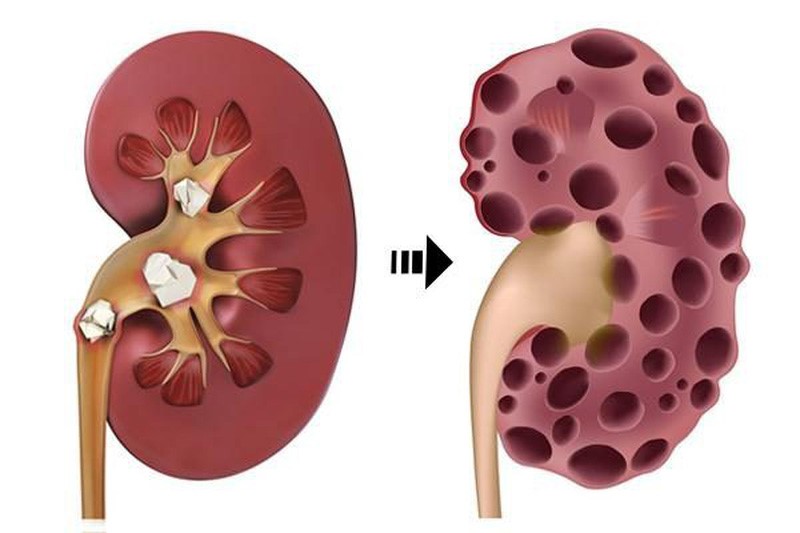
Persistent Fatigue and Weakness
One of the common symptoms associated with kidney problems is ongoing fatigue. Healthy kidneys help filter toxins from the bloodstream. When kidney function declines, waste products may build up in the body.
This buildup can make people feel tired, weak, or mentally foggy. In addition, kidney disease can affect the production of red blood cells, which may lead to anemia. Anemia reduces the amount of oxygen delivered to tissues, contributing to persistent exhaustion.
People experiencing this symptom may notice:
-
Constant tiredness
-
Difficulty concentrating
-
Reduced physical stamina
Changes in Urination Patterns
The kidneys are responsible for producing urine, so changes in urination are often one of the earliest signs of kidney issues.
Possible changes include:
-
Urinating more frequently, especially at night
-
Urinating less than usual
-
Darker or foamy urine
-
Difficulty urinating or a weak stream
Foamy urine may sometimes indicate the presence of excess protein, which can occur when kidney filters become damaged.
Any noticeable changes in urination patterns should be discussed with a healthcare professional.
Swelling in the Legs, Ankles, or Feet
Kidneys help regulate the balance of fluids and minerals in the body. When they are not functioning effectively, excess fluid may accumulate in tissues.
This can lead to swelling, particularly in the lower parts of the body such as:
-
Ankles
-
Feet
-
Legs
-
Hands
Fluid retention may also cause puffiness around the eyes, especially in the morning.
While swelling can have many causes, persistent or unexplained swelling may indicate issues with kidney function.

Difficulty Sleeping
Sleep problems can sometimes be associated with kidney issues. When toxins accumulate in the bloodstream due to reduced kidney function, they may interfere with normal sleep patterns.
People with kidney problems may experience:
-
Trouble falling asleep
-
Restless sleep
-
Frequent nighttime awakenings
In some cases, kidney disease is also associated with sleep disorders such as sleep apnea.
Muscle Cramps
Electrolytes such as potassium, calcium, and sodium are carefully balanced by the kidneys. When kidney function declines, this balance may be disrupted.
Electrolyte imbalances can lead to muscle cramps, particularly in the legs. These cramps may occur during physical activity or even during rest.
Although muscle cramps can have many causes, frequent or severe cramps may warrant further medical evaluation.
Dry or Itchy Skin
The kidneys play an important role in maintaining the proper balance of minerals and nutrients in the bloodstream. When kidney function is impaired, this balance may be disrupted.
As a result, some individuals may experience dry or itchy skin. This can occur because waste products accumulate in the blood or because mineral imbalances affect skin health.
Persistent itching or unusual skin dryness may sometimes indicate underlying health issues that require attention.
Nausea or Loss of Appetite
When toxins build up in the bloodstream, they can affect the digestive system. This may lead to symptoms such as:
-
Nausea
-
Loss of appetite
-
A metallic taste in the mouth
-
Unexplained weight loss
These symptoms may appear gradually and can sometimes be mistaken for other digestive problems.
Shortness of Breath
Shortness of breath may occur when kidney problems lead to fluid buildup in the lungs or when anemia reduces oxygen delivery to tissues.
This symptom may be particularly noticeable during physical activity or when lying down.
Because breathing difficulties can have many causes, this symptom should always be evaluated by a healthcare professional.
Risk Factors for Kidney Problems
Certain conditions can increase the risk of kidney disease. These include:
-
High blood pressure
-
Diabetes
-
Family history of kidney disease
-
Long-term use of certain medications
-
Obesity
People with these risk factors may benefit from regular health checkups to monitor kidney function.
The Importance of Early Detection
Kidney disease is often called a “silent condition” because symptoms may not appear until significant damage has occurred. Regular medical checkups and laboratory tests can help detect kidney problems early.
Blood tests and urine tests are commonly used to evaluate kidney function and detect abnormalities.
Early diagnosis allows healthcare professionals to recommend treatments and lifestyle changes that may slow the progression of kidney disease.

Supporting Kidney Health
Maintaining healthy kidneys involves several lifestyle habits, including:
-
Drinking adequate water
-
Maintaining a balanced diet
-
Controlling blood pressure and blood sugar levels
-
Exercising regularly
-
Avoiding excessive use of certain medications
These habits support overall health and may help reduce the risk of kidney-related complications.
Final Thoughts
The kidneys are essential organs that support many important functions in the body. When they are under stress or not working properly, the body may produce warning signs such as fatigue, swelling, changes in urination, muscle cramps, or difficulty sleeping.
Although these symptoms can have many possible causes, paying attention to them and seeking medical advice when necessary can help protect kidney health. Early awareness and proper care play an important role in maintaining the wellbeing of these vital organs.