Air conditioners are essential appliances in many homes, especially during hot weather. They help keep indoor spaces comfortable by cooling the air and controlling humidity. However, one common issue that many homeowners encounter is water leaking from the air conditioner. Seeing water dripping from the unit can be frustrating and may lead people to think they need to call a technician immediately.
While some serious problems do require professional repair, many cases of air conditioner leakage are caused by simple issues that can be fixed at home. With a few basic checks and maintenance steps, you may be able to stop the leak and restore your air conditioner’s performance without spending extra money.
Understanding the common causes of AC leaks can help you address the problem safely and effectively.
Why Air Conditioners Leak Water
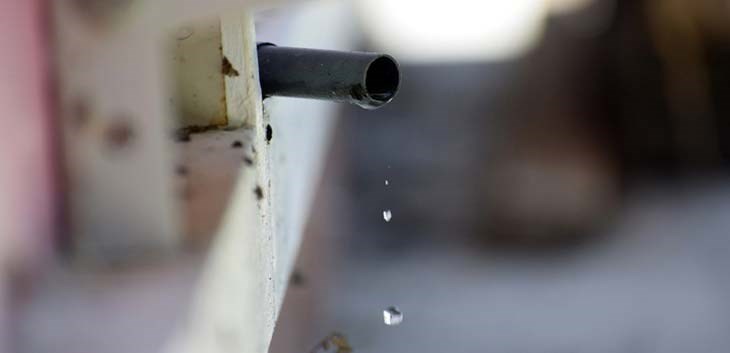
Before attempting any repair, it is helpful to understand why air conditioners leak water. During normal operation, an air conditioner removes moisture from the air as part of the cooling process. This moisture condenses into water and is usually directed through a drain pipe or drainage tray.
If any part of this drainage system becomes blocked, dirty, or damaged, water may accumulate and eventually leak out of the unit. Other factors such as poor airflow, frozen coils, or improper installation can also cause leaks.
Identifying the cause is the first step toward solving the problem.
:quality(75)/2023_10_3_638319484323497263_dieu-hoa-bi-chay-nuoc-2.jpg)
Turn Off the Air Conditioner First
Before inspecting the unit, always turn off the air conditioner and disconnect the power supply if possible. This helps ensure safety while working around electrical components.
Allow the unit to rest for a few minutes before opening any panels or touching internal parts. Safety should always be the first priority when dealing with household appliances.
Check the Air Filter
One of the most common causes of AC leakage is a dirty or clogged air filter. When the air filter becomes blocked with dust and debris, airflow through the system is reduced.
Poor airflow can cause the evaporator coil to become too cold and freeze. When the ice later melts, excess water may overflow from the drainage tray and cause leakage.
To fix this issue, remove the air filter and check its condition. If it is dusty or dirty, wash it with clean water or replace it with a new filter. Allow the filter to dry completely before reinstalling it.
Regularly cleaning the air filter every few weeks can help prevent many AC problems.
Inspect the Drain Pipe
Another common cause of leaks is a blocked drain pipe. The drain pipe carries condensation water away from the air conditioner.
Over time, dust, mold, or small debris can accumulate inside the pipe and block the flow of water. When this happens, water may back up and leak from the unit.
You can check the drain pipe by locating the small drainage tube connected to the indoor unit. If the pipe appears clogged, gently flush it with clean water or use a small brush to remove the blockage.
Some people also use a vacuum to clear debris from the pipe.
Check the Drain Pan
The drain pan is a small tray located beneath the evaporator coil. Its purpose is to collect condensation water and guide it into the drain pipe.
If the drain pan becomes cracked, rusted, or filled with debris, it may not function properly and water can leak out.
Remove any visible dirt or dust from the tray and clean it with mild soap and water. If the tray is damaged, it may need to be replaced.
Keeping the drain pan clean helps maintain proper water flow.
Make Sure the Air Conditioner Is Level
Air conditioners must be installed at the correct angle to allow water to drain properly. If the unit is tilted or not level, condensation may accumulate inside and overflow.
Check whether the indoor unit is mounted evenly on the wall. If the unit appears slightly tilted inward instead of outward, water may not flow correctly through the drain pipe.
Adjusting the installation angle slightly may help restore proper drainage.
Look for Ice on the Evaporator Coil
Sometimes air conditioners leak because the evaporator coil freezes. This can occur when airflow is restricted or when the refrigerant level is low.
If you notice ice buildup inside the unit, turn off the air conditioner and allow the ice to melt completely before restarting it.
Cleaning the air filter and ensuring proper airflow often helps prevent future freezing.
However, if the freezing continues, professional inspection may be necessary.
Clean the Indoor Unit
Dust accumulation inside the air conditioner can also contribute to drainage problems. Dirt may clog small openings and prevent water from flowing properly.
Carefully wipe accessible surfaces with a soft cloth and remove visible dust. Avoid touching delicate components such as electrical wiring or coils.
Regular cleaning helps keep the system running efficiently.
When to Call a Technician
While many leaks can be solved with simple maintenance, some situations require professional help. If the air conditioner continues to leak after cleaning the filter and drain pipe, there may be a more complex problem.
Issues such as refrigerant leaks, damaged internal components, or electrical faults should be handled by trained technicians.
Seeking professional assistance ensures that the system is repaired safely and properly.
Preventing Future Leaks
Preventive maintenance is the best way to avoid air conditioner leaks. Cleaning the air filter regularly, checking the drain pipe, and keeping the unit free from dust can significantly reduce the risk of problems.
Scheduling periodic maintenance checks also helps keep the system operating efficiently.
A well-maintained air conditioner not only cools better but also lasts longer.
Conclusion
Water leaking from an air conditioner can be concerning, but in many cases the problem is caused by simple issues such as a clogged filter, blocked drain pipe, or improper installation angle. By performing basic inspections and cleaning tasks, homeowners may be able to fix minor leaks without immediately calling a technician.
Regular maintenance and attention to airflow and drainage systems help ensure that air conditioners continue to operate efficiently and reliably. Taking these simple steps can save both time and money while keeping your home comfortable.
