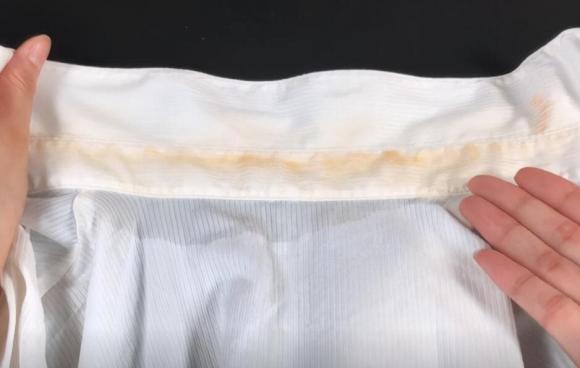
White shirts are timeless, versatile, and perfect for both casual and professional settings. However, one common problem many people face is the appearance of yellow sweat stains, especially around the underarm area. These stains can make even the cleanest shirt look old and worn.
The yellow discoloration usually occurs when sweat mixes with deodorant, body oils, and bacteria, creating stubborn stains that become more visible over time. Fortunately, you don’t have to throw away your favorite white shirt. With a few simple household ingredients and techniques, you can effectively remove these stains and restore your clothes to a fresh, bright condition.
Below are seven simple tricks anyone can use to remove yellow sweat stains from white shirts at home.
1. Baking Soda and Water Paste
Baking soda is one of the most effective natural cleaning agents for removing stains. It works by gently lifting residue from fabric fibers while neutralizing odors.
How to Use It
-
Mix four tablespoons of baking soda with a small amount of water to create a thick paste.
-
Apply the paste directly to the yellow-stained area.
-
Gently rub the mixture into the fabric using a soft brush or toothbrush.
-
Let it sit for 30–60 minutes.
-
Wash the shirt normally in warm water.
This method is especially effective for older or set-in stains, and it helps brighten white fabrics without harsh chemicals.
2. Lemon Juice and Sunlight
Lemon juice contains natural acids that can break down stains and help whiten fabrics naturally. When combined with sunlight, the effect becomes even stronger.
How to Use It
-
Squeeze fresh lemon juice directly onto the stained area.
-
Rub the fabric lightly so the juice penetrates the fibers.
-
Place the shirt in direct sunlight for about one hour.
-
Wash the shirt as usual.
This technique works best for light to moderate stains and also leaves your clothes smelling fresh.

3. White Vinegar Solution
White vinegar is a powerful natural cleaner that can dissolve residue from deodorant and sweat. It is also excellent for neutralizing odors trapped in fabric.
How to Use It
-
Mix equal parts white vinegar and water.
-
Pour the solution onto the yellow stain.
-
Allow it to soak for 20–30 minutes.
-
Wash the shirt in warm water.
Vinegar is particularly useful for removing build-up caused by antiperspirants, which is often responsible for yellow marks.
4. Hydrogen Peroxide and Dish Soap
Hydrogen peroxide acts as a gentle bleaching agent that can help restore the brightness of white clothing. When combined with dish soap, it becomes even more effective at breaking down oils and stains.
How to Use It
-
Mix one part hydrogen peroxide with one part dish soap.
-
Apply the mixture directly to the stained area.
-
Gently scrub the fabric with a soft brush.
-
Let it sit for 30 minutes before washing.
This method works very well for deep, stubborn sweat stains that regular washing cannot remove.
5. Aspirin Solution
It may sound surprising, but aspirin contains a compound that can help break down certain types of stains.
How to Use It
-
Crush two aspirin tablets into a fine powder.
-
Dissolve the powder in half a cup of warm water.
-
Apply the solution to the stained area.
-
Let the shirt soak for two hours before washing.
This trick can help lighten yellow stains and restore the fabric’s original color.
6. Salt and Warm Water
Salt is another simple household ingredient that can help lift stains from fabric fibers.
How to Use It
-
Dissolve four tablespoons of salt in one liter of warm water.
-
Dip a sponge or cloth into the mixture.
-
Gently rub the stained area.
-
Continue until the stain begins to fade.
Salt works best on fresh stains, so it’s helpful to treat the shirt as soon as possible.
7. Oxygen-Based Bleach
If the stain is particularly stubborn, oxygen-based bleach can be a safe and effective option for white clothing.
How to Use It
-
Fill a basin with warm water.
-
Add the recommended amount of oxygen bleach powder.
-
Soak the shirt for several hours or overnight.
-
Wash the shirt normally afterward.
Unlike chlorine bleach, oxygen bleach is gentler on fabric and less likely to cause damage.
Tips to Prevent Yellow Sweat Stains
While removing stains is possible, preventing them is even better. Here are a few simple tips to help keep white shirts looking clean:
-
Allow deodorant to dry completely before putting on your shirt.
-
Choose aluminum-free deodorants if possible.
-
Wash white shirts soon after wearing them instead of letting sweat sit for long periods.
-
Avoid using excessive detergent, which can leave residue on fabric.
These small habits can significantly reduce the chances of yellow stains forming.
Final Thoughts
Yellow sweat stains on white shirts are a common and frustrating problem, but they don’t have to ruin your clothing. With simple household ingredients like baking soda, lemon juice, vinegar, or hydrogen peroxide, you can effectively remove stains and restore your garments to their original brightness.
The key is to treat stains as soon as possible and choose gentle methods that protect the fabric. By using these seven simple tricks, anyone can keep their white shirts looking fresh, clean, and ready to wear again.