Many people have experienced a strange sensation just as they begin to drift off to sleep: the body suddenly jerks, sometimes accompanied by the feeling of falling. The sudden movement can be startling enough to wake a person instantly, leaving them confused about what just happened.
Although it may feel alarming, this experience is actually very common. Scientists call it a hypnic jerk, also known as a sleep start. It is a natural and usually harmless event that occurs during the transition from wakefulness to sleep.
What Is a Hypnic Jerk?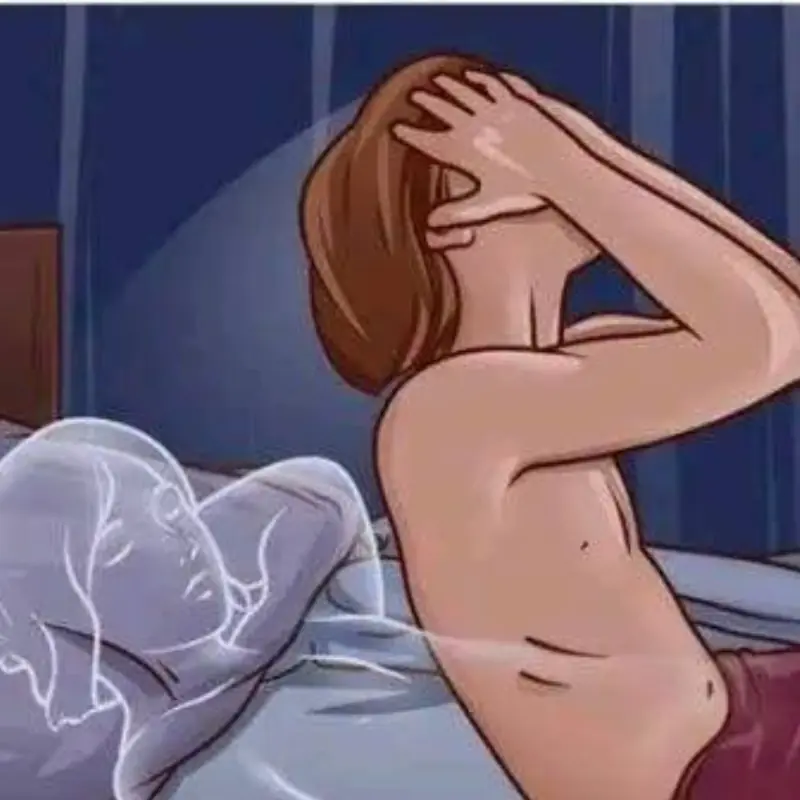
A hypnic jerk is an involuntary muscle contraction that happens when a person is falling asleep. These sudden movements typically occur during the first stage of sleep, when the body begins to relax and the brain shifts from alertness to rest.
The jerk may involve a single muscle group or the entire body. Some people experience only a slight twitch, while others feel a strong jolt that wakes them up.
Often, the movement is accompanied by vivid sensations such as:
-
The feeling of falling
-
A sudden flash of light or dreamlike image
-
A racing heartbeat
-
A brief moment of confusion
Sleep researchers estimate that around 60 to 70 percent of people experience hypnic jerks at some point in their lives.
Why Does It Happen?
Although scientists do not have a single definitive explanation, several theories help explain why hypnic jerks occur.
1. The Brain Misinterprets Muscle Relaxation
As you fall asleep, your muscles naturally begin to relax. One theory suggests that the brain sometimes misinterprets this relaxation as a sign that the body is falling. In response, the brain sends a signal to the muscles to contract suddenly, causing the jerking motion.
2. A Primitive Survival Reflex
Some researchers believe hypnic jerks may be linked to ancient survival instincts. Early humans and primates often slept in trees, and a sudden muscle contraction may have served as a protective reflex that prevented them from falling during sleep.
Although modern humans no longer sleep in trees, the reflex may still exist in our nervous system.
3. Stress and Anxiety
Psychological stress is one of the most common triggers for hypnic jerks. When the brain remains highly alert due to anxiety or worry, it can interfere with the body's natural relaxation process, increasing the likelihood of sudden muscle contractions.
4. Stimulants and Lifestyle Factors
Certain habits can make hypnic jerks more frequent or more intense. These include:
-
Drinking caffeine late in the day
-
Lack of sleep or irregular sleep schedules
-
Intense physical exercise before bedtime
-
High levels of mental stress
When the body is overstimulated or overtired, the nervous system may react unpredictably during the transition to sleep.
Are Hypnic Jerks Dangerous?
For the vast majority of people, hypnic jerks are completely harmless. They are considered a normal part of the sleep process and do not indicate any underlying medical condition.
However, if the jerks occur very frequently, severely disrupt sleep, or are accompanied by other unusual symptoms such as persistent muscle spasms during the night, it may be helpful to consult a healthcare professional.
In rare cases, similar symptoms may be related to sleep disorders or neurological conditions, though this is uncommon.
How to Reduce Hypnic Jerks
While it may not be possible to eliminate hypnic jerks entirely, certain lifestyle adjustments can help reduce their frequency.
Improve Your Sleep Routine
Maintaining a consistent sleep schedule helps regulate the body's internal clock. Going to bed and waking up at the same time each day allows the nervous system to relax more naturally.
Reduce Caffeine Intake
Caffeine stimulates the nervous system and can interfere with the body's ability to transition smoothly into sleep. Avoiding coffee, energy drinks, or strong tea several hours before bedtime may help.
Manage Stress
Relaxation techniques such as meditation, deep breathing, or gentle stretching before bed can calm the mind and reduce nighttime muscle activity.
Avoid Late-Night Stimulation
Heavy exercise, intense screen time, or stressful activities right before bed can keep the brain overly alert, increasing the chance of sudden muscle jerks.
A Normal Part of Falling Asleep
Although waking up with a sudden body jerk can feel strange or even frightening, hypnic jerks are a normal and widespread experience. They simply reflect the complex process your brain and body go through as they transition from wakefulness into sleep.