
Why hotels almost always use white sheets on their beds?
Why Do Hotels Use White Bed Linens?
Facts 14/03/2026 13:17
In many kitchens, the top of the refrigerator often becomes an extra storage space. Because refrigerators are usually one of the tallest appliances in the kitchen, it is tempting to place items on top of them, especially when counter space and cabinets are limited. Many households store baskets, food containers, kitchen tools, or even small appliances on top of the fridge.
However, what many people do not realize is that the top of a refrigerator is not always a safe or suitable place for storage. The refrigerator releases heat while operating, and the area above it can become warmer than expected. This heat, combined with dust and limited ventilation, may negatively affect certain items.
Below are three common things you should avoid placing on top of your refrigerator and the reasons why keeping this space clear can help maintain both kitchen safety and appliance efficiency.
One of the most common mistakes people make is storing food products on top of the refrigerator. Items such as bread, cereal boxes, cooking oil, snacks, and packaged foods are often placed there because it seems like a convenient location.
However, the top of the refrigerator can become warm due to the heat released by the appliance’s compressor and motor. This warmth may affect the quality of food stored above it.
When food is exposed to fluctuating temperatures, several problems can occur:
Certain foods may spoil faster
Oils can lose their freshness or develop unpleasant flavors
Dry foods may absorb moisture from the environment
Food packaging may attract dust or kitchen grease
In addition, storing food above the refrigerator may increase the risk of pests, especially if crumbs or open packaging are present.
A better option is to keep food items in pantry shelves or closed cabinets, where temperature and cleanliness can be better controlled.
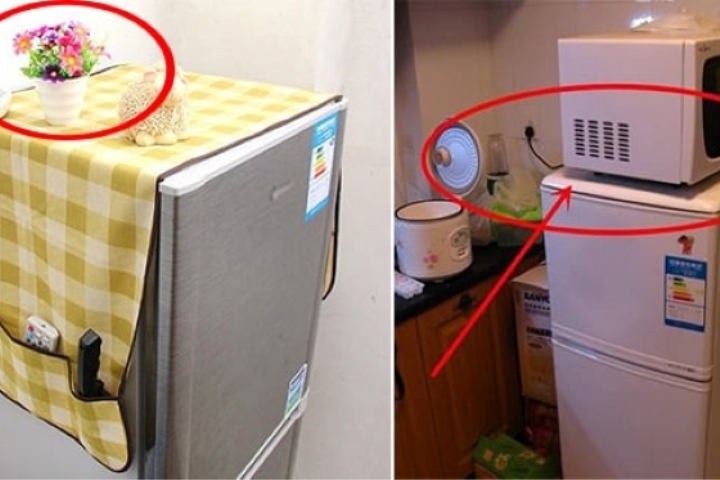
Another common practice is placing small appliances on top of the refrigerator. Items such as microwaves, blenders, rice cookers, or coffee machines may end up there when counter space is limited.
While this may seem like a practical solution, it can create several potential issues.
First, the top of the refrigerator may not always provide a stable or safe surface for heavy appliances. If the appliance shifts or falls, it could cause damage to both the device and the refrigerator.
Second, electrical appliances often require proper ventilation to prevent overheating. Placing them in a warm area above the refrigerator may affect their performance or lifespan.
Third, lifting heavy appliances up and down from such a height can increase the risk of accidents in the kitchen.
For safety and convenience, small appliances should ideally be placed on stable countertops or dedicated shelves designed to support their weight and allow proper airflow.
Some people place items such as electronic devices, power banks, batteries, or chargers on top of the refrigerator without realizing that this location may not be ideal for electronics.
The heat produced by the refrigerator can gradually affect sensitive electronic components. Continuous exposure to warmth may reduce battery efficiency or shorten the lifespan of certain devices.
Additionally, electronics placed on top of the refrigerator may collect dust more easily. Dust accumulation can interfere with ventilation and increase the risk of overheating.
Because of these reasons, it is generally better to store electronic devices in cool, dry areas away from heat sources.
To understand why certain items should not be stored above the refrigerator, it helps to know how refrigerators work.
A refrigerator removes heat from inside the appliance and releases it through coils and components located at the back or bottom. During this process, the appliance generates heat as part of its cooling cycle.
Although modern refrigerators are designed to operate efficiently, some of this heat may rise upward. As a result, the top surface of the refrigerator can become slightly warmer than the surrounding environment.
Over time, storing unsuitable items in this area may lead to reduced quality, damage, or safety concerns.
Instead of placing sensitive or heavy items on top of the refrigerator, consider using that space more carefully.
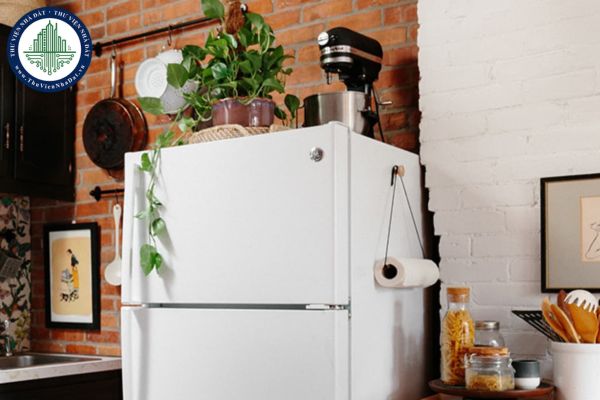
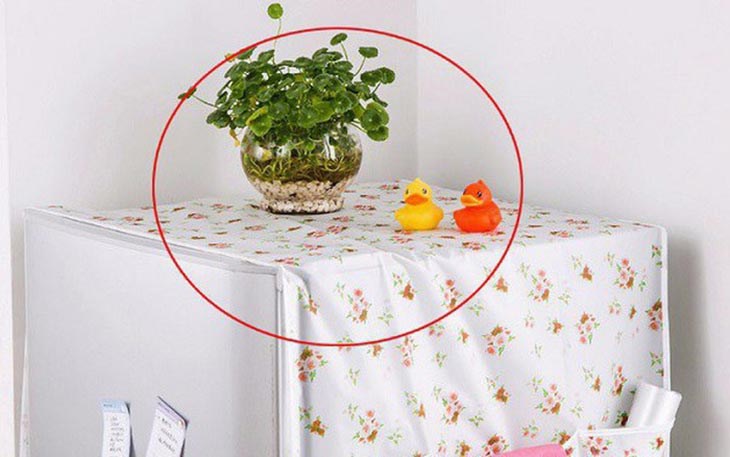
For example, lightweight decorative items such as baskets or kitchen décor can sometimes be placed there if they do not block ventilation or create clutter. However, it is still important to ensure that airflow around the refrigerator is not restricted.
Many kitchen experts recommend keeping the top of the refrigerator mostly clear so that heat can dissipate properly and the appliance can operate efficiently.
Keeping the top of the refrigerator uncluttered offers several advantages:
Improved air circulation around the appliance
Reduced dust accumulation
Lower risk of items falling or being damaged
Better kitchen organization
Potentially improved refrigerator efficiency
When appliances have proper ventilation, they often function more effectively and may last longer.
Using the top of the refrigerator as extra storage space may seem convenient, but it is not always the best solution for every item. Food products, small kitchen appliances, and electronic devices are three common things that should generally be kept away from this area.
Because refrigerators release heat during operation, placing sensitive or heavy items above them can affect both safety and product quality.
Keeping the top of the refrigerator clean and uncluttered not only helps protect your belongings but also allows the appliance to operate more efficiently. In the long run, small changes in how kitchen space is used can make a big difference in maintaining a safer and more organized home.
Why Do Hotels Use White Bed Linens?

Some experts say leaving a key in the door may improve safety.

The Little Hole on the Bottom of a Lock: What Is It Actually Used For?

If You Have Two Dimples on Your Lower Back, Here’s What They Mean

Why Clothing Designers Place Shirt Buttons Differently for Men and Women?

A Fishy Smell in the Inti.mate Area? Here’s What It Could Mean

The black line in shrimp is natural—but many people avoid it.

Teeth Grinding at Night: Could It Be a Sign of a Health Issue?

The Interesting Reason Flight Attendants May Carry Bananas on the Plane

When you step into a luxurious hotel room, one of the first impressions is the neatly made bed with a comfortable set of bedding, including pillows.

The Tiny Hole in Your Sink Has a Purpose Most People Don’t Know
Simple, but not everyone knows

Ways to Handle a Situation When Someone Borrows Money from You

Sweet Potatoes vs. White Potatoes: Which One Is More Nutritious?

Why Pouring Hot Water Down the Kitchen Sink Can Be a Bad Idea?

Why Dogs Sniff People’s Crotches: What Experts Say

Small Breasts: What They Might Mean for Your Health and Body

Eye Doctor’s Advice: What to Do When You Start Seeing Floaters

When Buying Eggs, Should You Pick Red or White Ones?
Millions Do This When They Wake Up at Night — Doctors Say Stop

Fatty Liver: 7+ Silent Symptoms You Must Pay Attention To

Many People Miss These Early Diabetes Symptoms
How a Bowl of Water Can Help Your Refrigerator Save Electricity
Do This Before Washing to Keep Clothes Smooth Without Ironing
Why Do Hotels Use White Bed Linens?

Taro Root: 7 Powerful Health Benefits You Didn’t Expect
Stand Up and Check Your Legs — The Result Might Surprise You

Most People Ignore This Bacteria That Causes Bloating and Heartburn

7 Habits to Avoid for Stroke Prevention: 3 After Meals and 4 Before Bed

The Surprising Cause of Sudden Sharp Pains in Your Chest

What Happens to Your Body When You Eat Macadamia Nuts
Many People Miss These Early Heart Warning Signs

The Amazing Health Benefits of Coconut You Should Know
Doctors reveal the surprising truth about eating red cabbage… See more

What Happens to Your Body When You Sleep with a Fan Running?

Why Do Your Legs Often Feel Numb? Common Causes and Conditions