At first glance, a semicolon tattoo may seem like a simple piece of punctuation inked onto the skin. Small, minimal, and often placed discreetly on the wrist, ankle, or behind the ear, it might appear to be just a stylistic choice. However, for millions of people around the world, this tiny symbol carries a deep and powerful meaning related to mental health, resilience, and survival.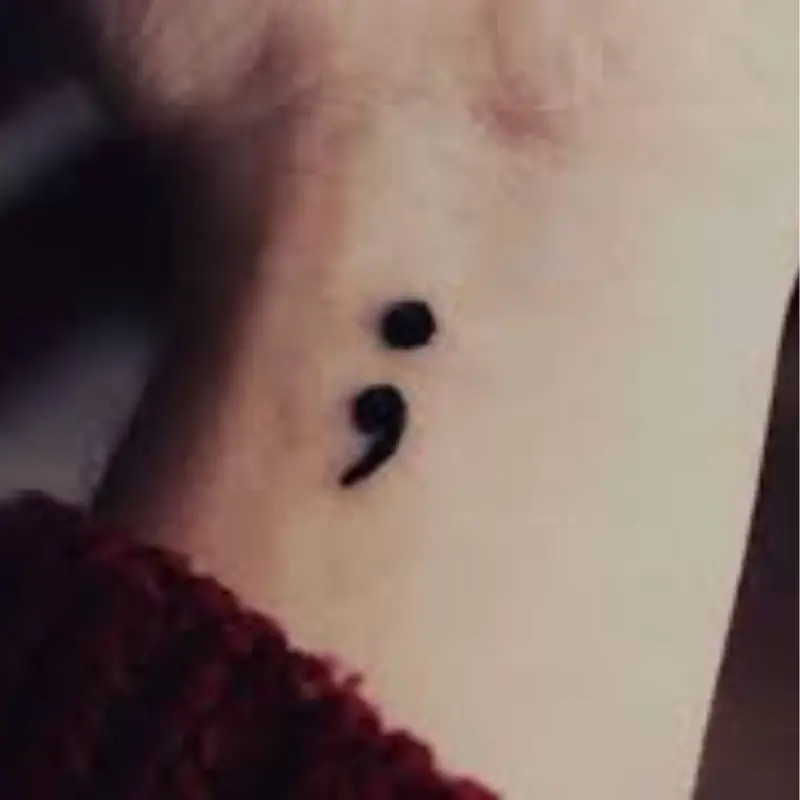
The semicolon tattoo has become widely recognized as a symbol of hope for those who have struggled with depression, anxiety, self-harm, addiction, or suicidal thoughts. Its meaning comes directly from grammar. In writing, a semicolon is used when a sentence could end but the writer chooses to continue it instead. This idea is what gives the tattoo its emotional significance.
For many people, the semicolon represents a moment in life when they could have given up—but chose not to. Instead of ending their story, they decided to keep going.
The movement behind the semicolon tattoo gained global attention through Project Semicolon, a mental health awareness initiative founded in 2013 by Amy Bleuel. The project was created in memory of her father, who died by suicide. Bleuel wanted to create a symbol that represented strength, survival, and the power of continuing one’s story despite hardship.
The concept quickly spread across social media and communities worldwide. Thousands of people began sharing photos of their semicolon tattoos along with personal stories about mental health struggles and recovery. What started as a small awareness project soon became a global symbol of solidarity.
Unlike many tattoos that are chosen purely for artistic reasons, the semicolon tattoo often represents deeply personal experiences. For some individuals, it marks their recovery journey after surviving suicidal thoughts or severe depression. For others, it serves as a tribute to a loved one who struggled with mental illness.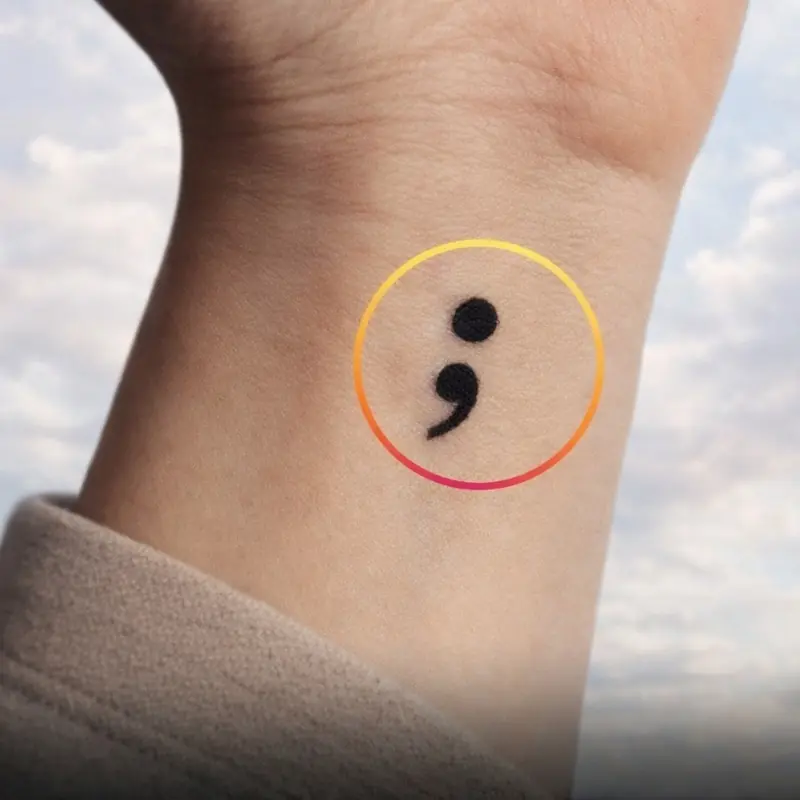
Many people choose to place the tattoo in visible locations, such as the wrist or forearm, not only as a reminder to themselves but also as a quiet message to others who might be struggling. Seeing the symbol can create an instant sense of connection between strangers who understand its meaning.
Over time, the design of the semicolon tattoo has evolved. While many people keep it simple—just the punctuation mark itself—others incorporate it into larger artistic designs. Some blend the semicolon into shapes like butterflies, hearts, or birds, symbolizing transformation and freedom. Others add inspirational words or combine the semicolon with meaningful quotes.
Despite these variations, the core message remains the same: your story is not over.
Mental health experts have noted that symbols like the semicolon can play a powerful role in raising awareness and encouraging conversations about topics that are often considered taboo. For many years, discussions about depression, anxiety, and suicide were often hidden due to stigma. Movements like Project Semicolon have helped open dialogue and remind people that they are not alone in their struggles.
However, advocates emphasize that while the symbol is meaningful, it is not a replacement for professional mental health support. Instead, it serves as a reminder of strength and a starting point for conversations about mental well-being.
The popularity of the semicolon tattoo also reflects a broader shift in how society approaches mental health. Younger generations in particular are more willing to discuss emotional challenges openly and support one another through shared experiences.
In many ways, the semicolon tattoo is not just body art—it is a statement about resilience. It represents the idea that even when life becomes overwhelming, a person can pause, take a breath, and choose to continue their story.
For those who wear it, the semicolon is far more than a punctuation mark. It is a symbol of survival, courage, and hope. It reminds them that difficult chapters do not have to define the entire story.
And perhaps most importantly, it quietly tells others who might be struggling the same message: your story matters, and it is not over yet.