For many women, discovering a few dark or coarse hairs on the chin can be surprising or even embarrassing. While society often associates facial hair with men, the truth is that chin hair in women is quite common. In most cases, it is a natural result of hormonal changes, genetics, or aging. However, when chin hair becomes thicker or more frequent, it may also signal underlying hormonal shifts that deserve attention.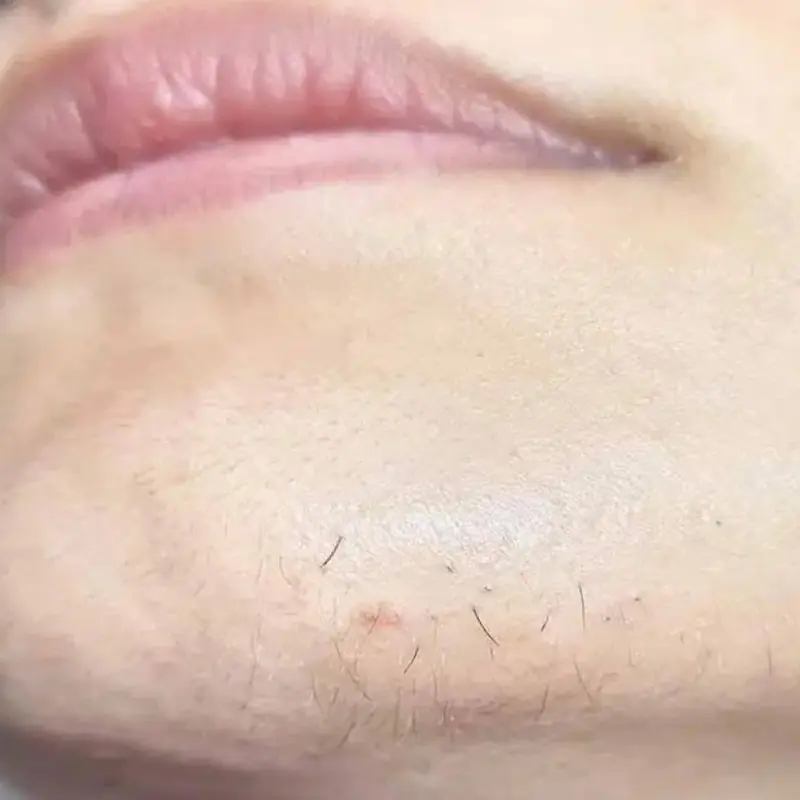
Human bodies naturally produce both male and female hormones. Women produce small amounts of androgens, often referred to as “male hormones,” including testosterone. These hormones can stimulate hair follicles and cause hair to grow in areas typically associated with male facial hair patterns, such as the chin, upper lip, or jawline.
For many women, occasional chin hairs are simply part of normal biology. As women age, hormone levels gradually change, particularly during menopause. Estrogen levels tend to decline, while androgen levels may remain relatively stable. This hormonal shift can cause hair on the face to become thicker or more noticeable.
Genetics also plays a significant role. If female relatives in your family—such as your mother or grandmother—had chin hair, there is a higher chance you may experience the same. Certain ethnic backgrounds may also naturally have darker or thicker hair growth, making chin hairs more visible.
However, in some cases, excessive or sudden facial hair growth can be related to a condition known as hirsutism. Hirsutism occurs when women develop thicker or darker hair in areas where men typically grow hair, including the chin, chest, or back. This condition is often linked to increased androgen levels in the body.
One of the most common medical causes of hirsutism is polycystic ovary syndrome (PCOS). PCOS is a hormonal disorder that affects many women of reproductive age and can cause symptoms such as irregular periods, acne, weight gain, and increased facial or body hair. Women with PCOS produce higher levels of androgens, which can stimulate hair growth on the chin and other areas.
Certain medications can also influence facial hair growth. Drugs that affect hormone levels or stimulate androgen production may cause increased hair growth as a side effect. Additionally, medical conditions involving the adrenal glands or ovaries can sometimes lead to hormonal imbalances that affect hair growth patterns.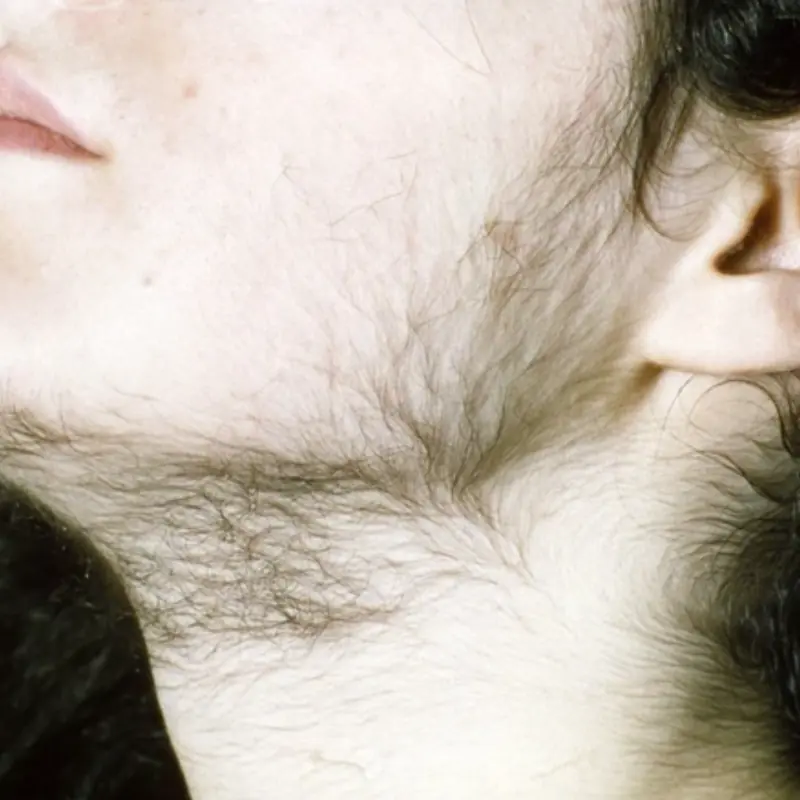
It is important to note that having a few chin hairs does not automatically indicate a health problem. In fact, most women experience occasional facial hairs at some point in their lives. These hairs may grow slowly and can often be managed easily through common grooming methods.
There are several safe and common ways to remove chin hair. Tweezing is one of the simplest and most widely used methods for removing individual hairs. Waxing and threading can remove multiple hairs at once, while shaving—contrary to common myths—does not cause hair to grow back thicker. Modern options such as laser hair removal or electrolysis offer longer-term solutions for those who want more permanent hair reduction.
Maintaining overall hormonal balance can also help minimize excessive hair growth. Healthy lifestyle habits such as regular exercise, balanced nutrition, and stress management support overall hormone regulation.
However, if chin hair growth becomes excessive, appears suddenly, or is accompanied by other symptoms such as irregular menstrual cycles, severe acne, or unexplained weight gain, it may be wise to consult a healthcare professional. A doctor can evaluate hormone levels and determine whether an underlying medical condition is contributing to the changes.
Ultimately, chin hair in women is a common and natural occurrence that many people experience. While it can sometimes reflect hormonal changes, it is usually harmless and manageable. Understanding the possible causes can help women feel more informed and less self-conscious about something that is, in reality, a normal part of the body’s complex hormonal system.