Rapamycin Reduces Lung Tumor Count by Up to 90% in Tobacco-Exposed Models
Lung cancer remains one of the leading causes of cancer-related deaths worldwide, largely due to the long-term effects of tobacco exposure. Cigarette smoke contains thousands of chemicals, many of which are known carcinogens that damage lung tissue and trigger abnormal cell growth.
Because of this, scientists are constantly searching for new treatments that could slow, prevent, or reverse tumor development in the lungs. One promising area of research involves a drug called rapamycin, a compound that has attracted attention for its potential role in controlling cancer growth.
Recent scientific studies suggest that rapamycin may significantly reduce the number of lung tumors in experimental models exposed to tobacco-related carcinogens, providing new insights into potential future therapies.
Understanding How Lung Cancer Develops


Lung cancer develops when mutations occur in lung cells, causing them to grow uncontrollably. These abnormal cells can form tumors that interfere with normal lung function.
Tobacco smoke is a major contributor to these mutations. It exposes lung tissue to toxic substances that can damage DNA and trigger the uncontrolled cell division that characterizes cancer.
Over time, this process may lead to the formation and growth of multiple tumors within the lungs.
What Is Rapamycin?

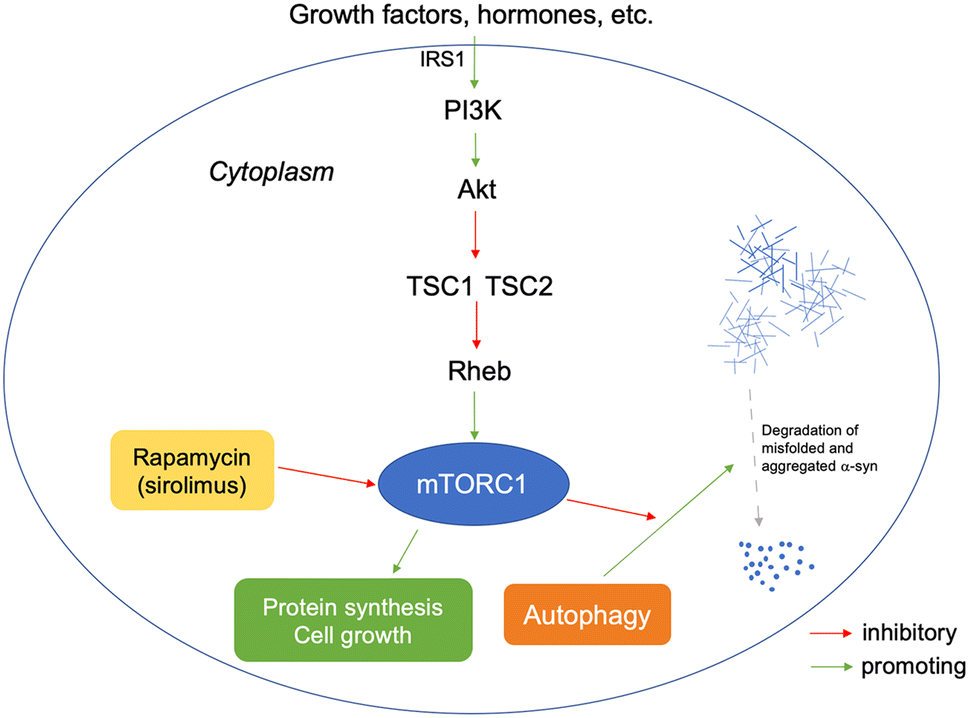

Rapamycin is a compound originally discovered in soil bacteria found on Easter Island (Rapa Nui). It was first developed as an immunosuppressant medication, commonly used to prevent organ transplant rejection.
Researchers later discovered that rapamycin affects a biological pathway called mTOR (mechanistic target of rapamycin). This pathway plays a key role in controlling cell growth, metabolism, and survival.
Because cancer cells rely heavily on growth signals, drugs that inhibit the mTOR pathway may help slow down or block tumor development.
Research Findings on Tobacco-Exposed Models
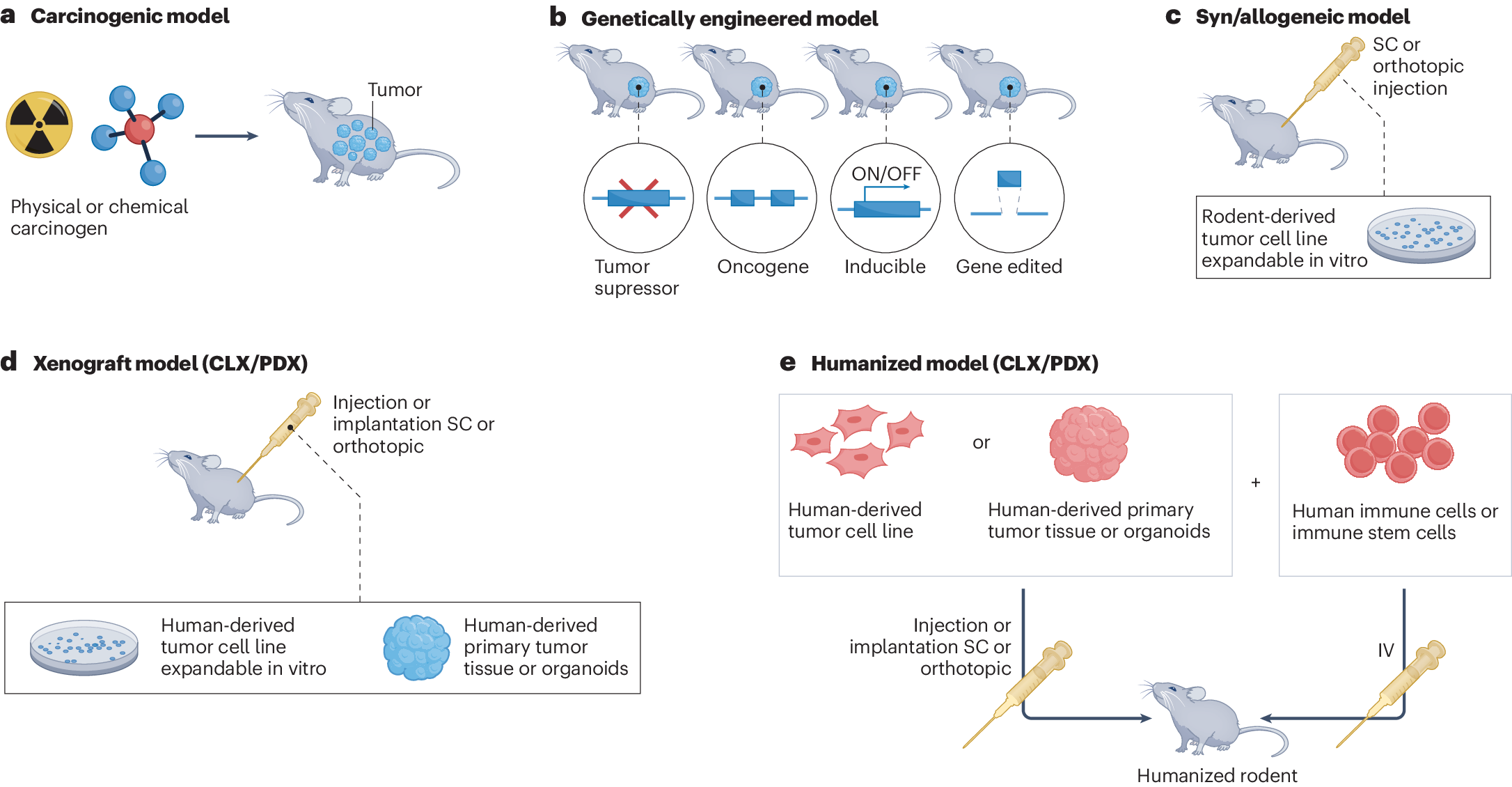
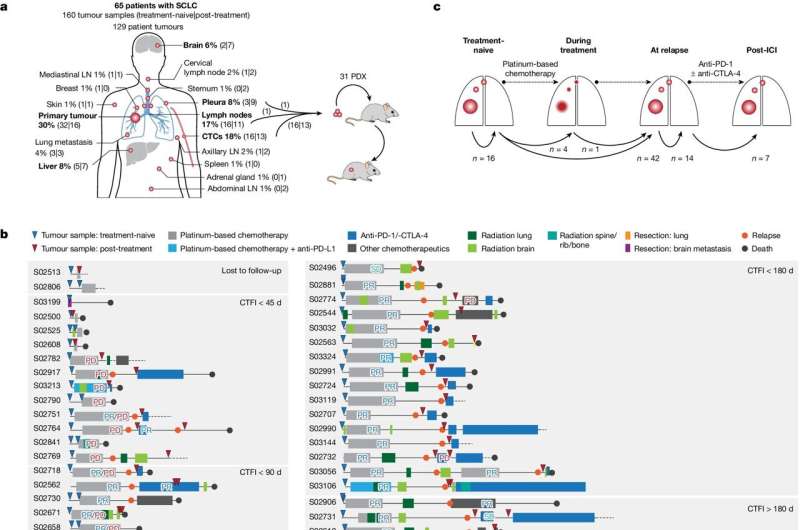
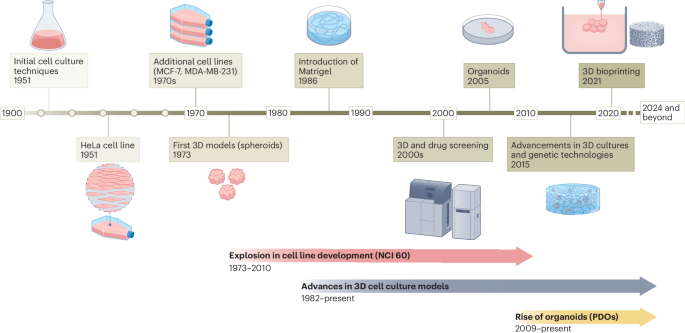
In laboratory studies involving models exposed to tobacco-related carcinogens, rapamycin showed promising results.
Researchers observed that treatment with rapamycin led to a dramatic reduction in lung tumor numbers—up to 90% in some experimental conditions.
The drug appeared to work by:
-
Blocking signals that stimulate tumor cell growth
-
Reducing inflammation associated with tobacco exposure
-
Slowing the proliferation of abnormal lung cells
These findings suggest that targeting the mTOR pathway may be a potential strategy for controlling tumor development caused by smoking-related damage.
Why This Research Is Important
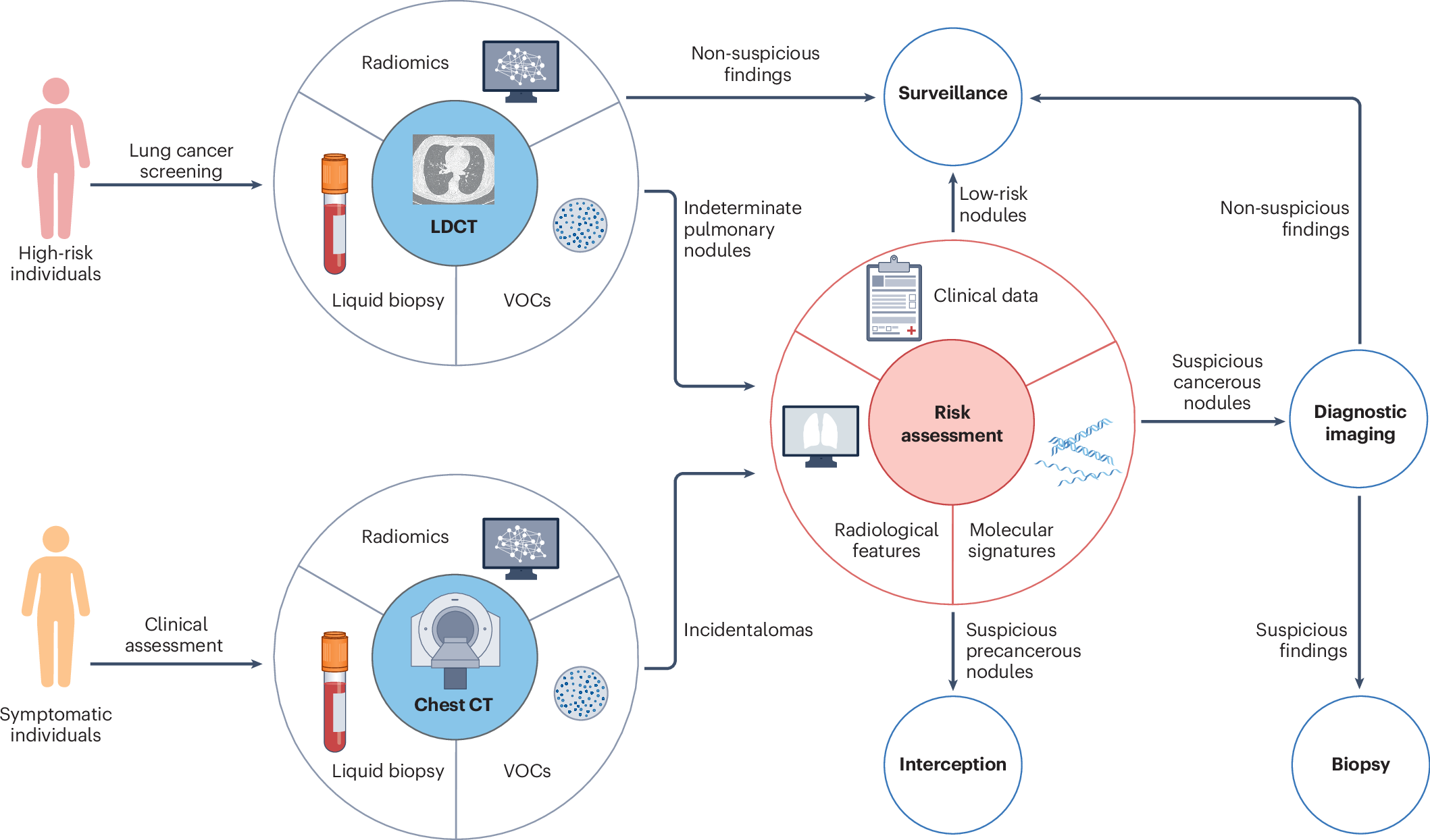

Although these findings are promising, it is important to understand that much of the research has been conducted in preclinical experimental models.
This means additional studies—including human clinical trials—are required to determine:
-
Whether rapamycin is effective in people with lung cancer
-
The safest dosage and treatment methods
-
Potential side effects or long-term impacts
Scientific discoveries often take years of testing before they become approved treatments for patients.
The Future of Targeted Cancer Therapies
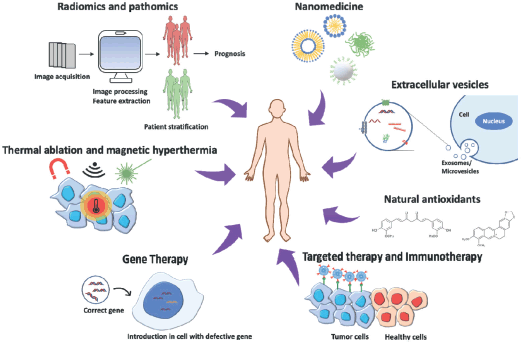
Rapamycin is part of a growing category of targeted therapies, which aim to block specific molecular pathways involved in cancer growth.
Unlike traditional chemotherapy—which can affect both healthy and cancerous cells—targeted treatments attempt to focus on the biological mechanisms that allow tumors to develop.
Researchers believe that continued study of drugs affecting the mTOR pathway may lead to more precise and effective treatments for lung cancer in the future.
Prevention Still Remains the Most Effective Strategy
While advances in cancer research are encouraging, the most effective way to reduce lung cancer risk remains avoiding tobacco exposure.
Key preventive measures include:
-
Avoiding smoking and secondhand smoke
-
Maintaining regular health screenings for high-risk individuals
-
Following a healthy lifestyle with balanced nutrition and exercise
-
Seeking medical advice when experiencing persistent respiratory symptoms
These steps can significantly lower the risk of developing lung cancer.
A Promising Direction in Cancer Research
The discovery that rapamycin may dramatically reduce lung tumor formation in tobacco-exposed models highlights the importance of ongoing biomedical research. Scientists continue to explore how targeting specific cellular pathways could lead to new strategies for preventing or treating cancer.
Although more research is needed before such treatments become widely available, studies like these provide valuable insight into how future cancer therapies may be developed and improved.